


livewall
← All articles
Employee Experience10 April 2026·Livewall

How gamified product training boosts compliance in global teams

Product knowledge training is critical in food service, retail, and hospitality, but completion rates are chronically low. Here is how game mechanics change that across large, dispersed teams.

gamificationhr-techemployer-branding

Ask an L&D manager how product training is going and you will usually get the same answer: the module is there, but nobody finishes it. In food service, retail, and hospitality, that is a serious problem. Staff who do not know the products make mistakes in customer interactions, give wrong information at the register, and miss upsell moments.

The issue is not motivation. It is format. A PDF with product specs or a slide deck demands mental effort at the end of a full shift. Gamification removes that barrier. It replaces passive reading with active participation and turns learning into something people actually want to do.

At Livewall, we build gamified learning experiences for organisations operating across multiple countries and locations. What we see consistently: once a training feels like playing, completion rates climb sharply. Not because the content changed, but because the context did.
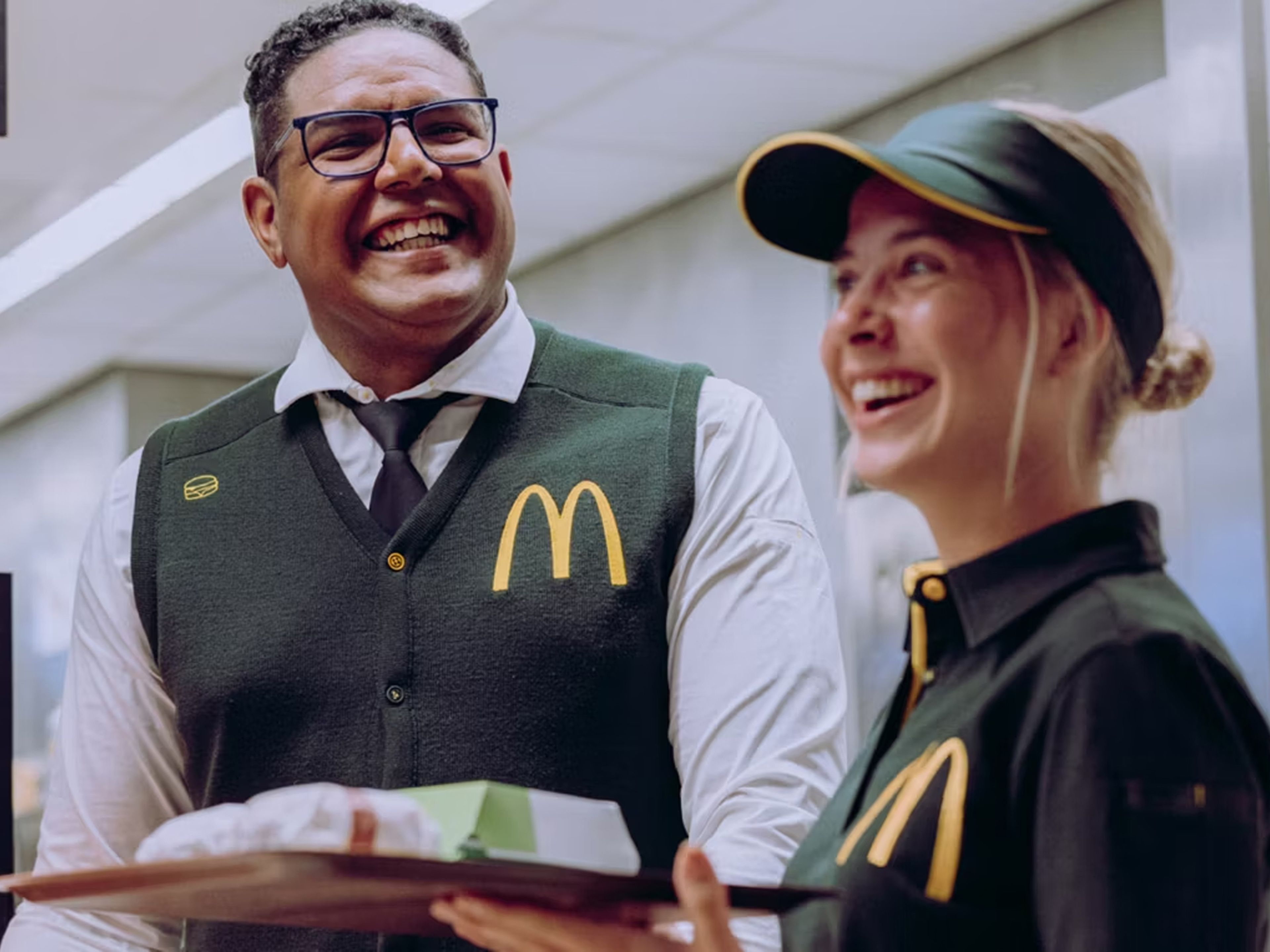
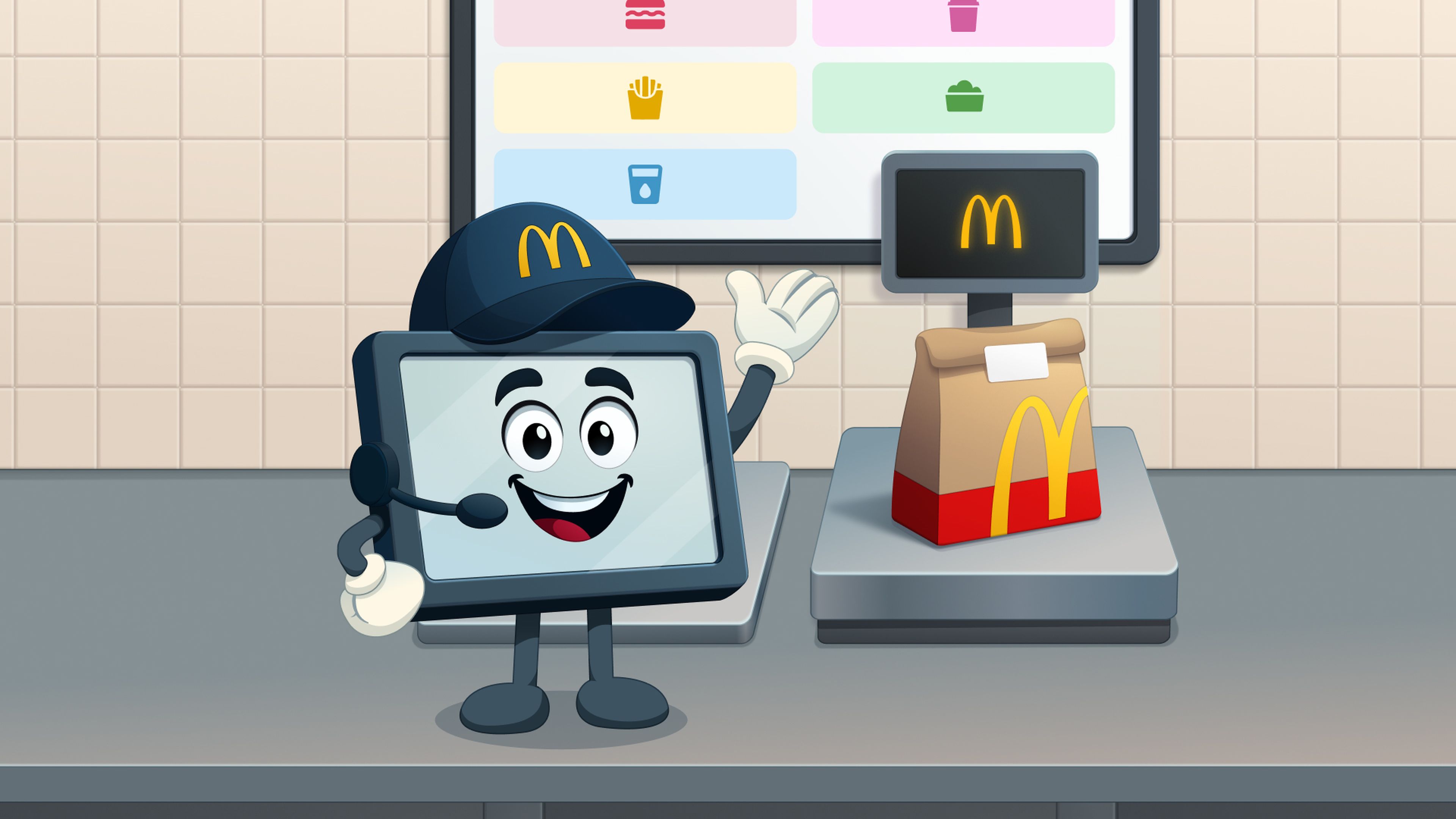
McDonald's Condiment Rush gamified training interface

McDonald's Condiment Rush: kitchen operations turned into fast-paced gameplay instead of manual reading.

What gamification actually does in training

Gamification does not work when you add a fun colour to a dull form. It works when you redesign the learning experience from motivational principles: immediate feedback, visible progress, a building sense of mastery.

The most effective mechanics for product training in large teams:

Progress and badges. Staff can see exactly how far they have come and what is next. That gives direction. A progress bar is simple but it works. Badges for completing modules create a social layer, especially when colleagues can see each other's progress.

Quizzes with instant feedback. Instead of a final test, staff get a short quiz after each section. Wrong answer? Explanation immediately, not later. That instant loop between action and result significantly increases knowledge retention.

Location-vs-location leaderboards. In retail chains and hospitality groups, a ranking by location is powerful. Teams do not want to fall behind other sites. That creates intrinsic pressure no manager needs to manufacture.

Time pressure and scenarios. A quiz where you need to decide fast is better simulated with a timer than a static question. For product knowledge in a serving or checkout context, that is especially relevant: staff need the answer without pausing to think.

Livewall perspective

Once a training feels like playing, completion rates climb sharply. Not because the content changed, but because the context did.
The challenge of scale

Building a gamified training for one location is relatively straightforward. The real challenge is global teams: dozens of markets, multiple languages, varying levels of digital confidence among staff, and shifting operational conditions.

We have learned several things from working at that scale.

Build one system, adapt it locally. The core training, the mechanics, and the learning content only need to be built once. Localisation then covers language, examples, and occasionally local regulations. A modular structure makes that scalable without every market starting from scratch.

Design mobile-first. In food service and retail, a large share of employees have no fixed workstation with a screen. They work on their phones. A training that only works well on a laptop will get poor numbers in a kitchen or on a shop floor.

Keep sessions short. Five to ten minutes per module, not thirty. People train before a shift, during a break, or right after a briefing. Short sessions fit those moments. Long modules do not.

Tie training to operational moments. The most effective gamified training connects to a concrete moment: a new product going on the menu next week, a seasonal change, a new procedure. The relevance is immediately felt rather than hypothetical.

40%+higher completion rates with gamified versus traditional e-learning
3xbetter knowledge retention through immediate feedback at each step
20+markets where gamified product training can roll out simultaneously

Preboarding as the first layer

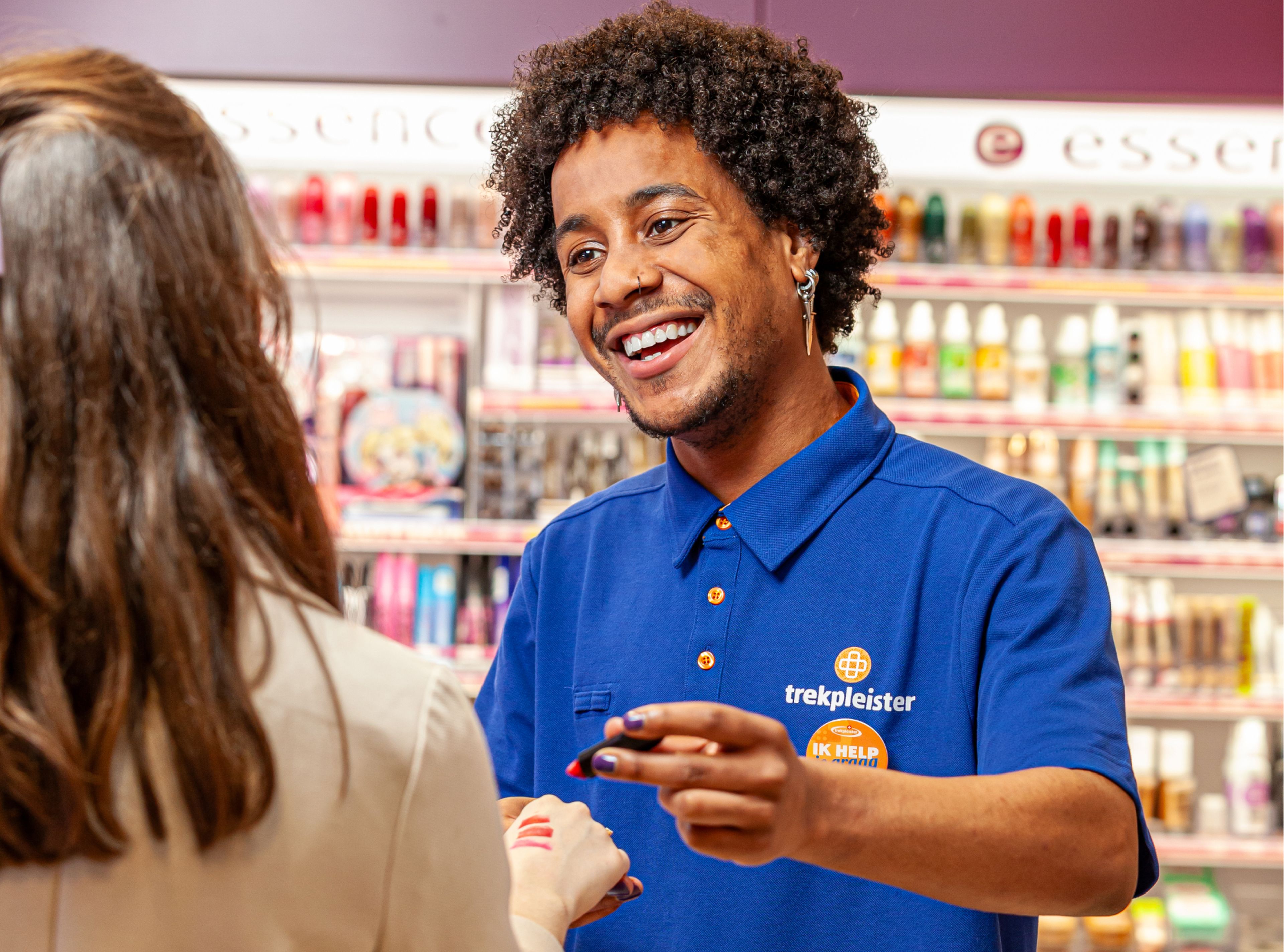
Gamification for employee training does not have to start on day one. At Livewall, we increasingly see pre-boarding tools deliver the first layer of product knowledge before someone has even started. New employees at retail chains like Trekpleister and Kruidvat explore the product range through an interactive digital environment before their first shift.

Two advantages follow from this. First, new starters arrive better prepared, which improves productivity in the first weeks. Second, it lowers the threshold for further training: someone already comfortable with an interactive format steps into a gamified learning module much more easily.

There is a third benefit that is easy to underestimate: it signals that the organisation invests in a good start. That has a measurable positive effect on early engagement and reduces early attrition in high-turnover sectors.

Compliance as a byproduct, not a goal

A common mistake with gamified training is treating compliance as the end goal. Everyone completed the module, box ticked, done. But if nobody absorbed the content, nothing changes on the floor.

The better goal is behaviour change. Employees who know the products better talk about them more confidently, make fewer errors, and sell more. That is the measurable outcome. Gamification helps get there because it makes learning active. Someone who works through a scenario where they advise a customer on product choices has retained that knowledge far better than someone who read the same information.

A well-designed gamified training asks not just whether the employee saw this, but whether the employee applied it. That distinction lives entirely in the mechanics. And that is exactly where Livewall does the work.

Livewall

Product training your teams actually finish

Whether you are rolling out a new product across multiple markets or trying to raise knowledge standards on the shop floor, Livewall builds gamified training experiences that work at scale. Get in touch to explore what is possible for your organisation.

Get in touch with our team

What we do

Livewall builds brand experiences that people actually remember — interactive campaigns, loyalty platforms, digital products, and employer branding for ambitious brands.

Our work

We've worked with HEMA, Stabilo, Wehkamp, Efteling, 9292 and many others. Every project starts with the same question: what would make someone actually want to do this?

Talk to us

Working on something similar? We'd love to hear about it.

Contact Livewall →