


livewall
← All articles
Employee Experience12 February 2026·Livewall

Gamified onboarding: how game mechanics help new hires settle faster

Traditional onboarding is long, forgettable, and often counter-productive. Gamified onboarding makes the same information stick by making it feel like something people want to do.

employer-brandinggamificationpreboardinghr-tech

The average new hire forgets more than 70% of what they learn in their first week. Not because they lack motivation, but because most onboarding is not designed to be remembered. Handbooks, slide decks, e-learning modules clicked through under obligation: it feels like homework, not a welcome.

Gamified onboarding works differently. By applying game mechanics to the settling-in process, you shift the experience from passive to active. Progress bars, challenges, rewards, missions: the same mechanisms that make games compelling can make the first few weeks at a new job genuinely memorable.

At Livewall, we design and build onboarding and preboarding experiences for brands in retail, healthcare, tech, and beyond. What we see consistently is that new hires who go through a gamified programme become productive faster than those who sit through a traditional induction.
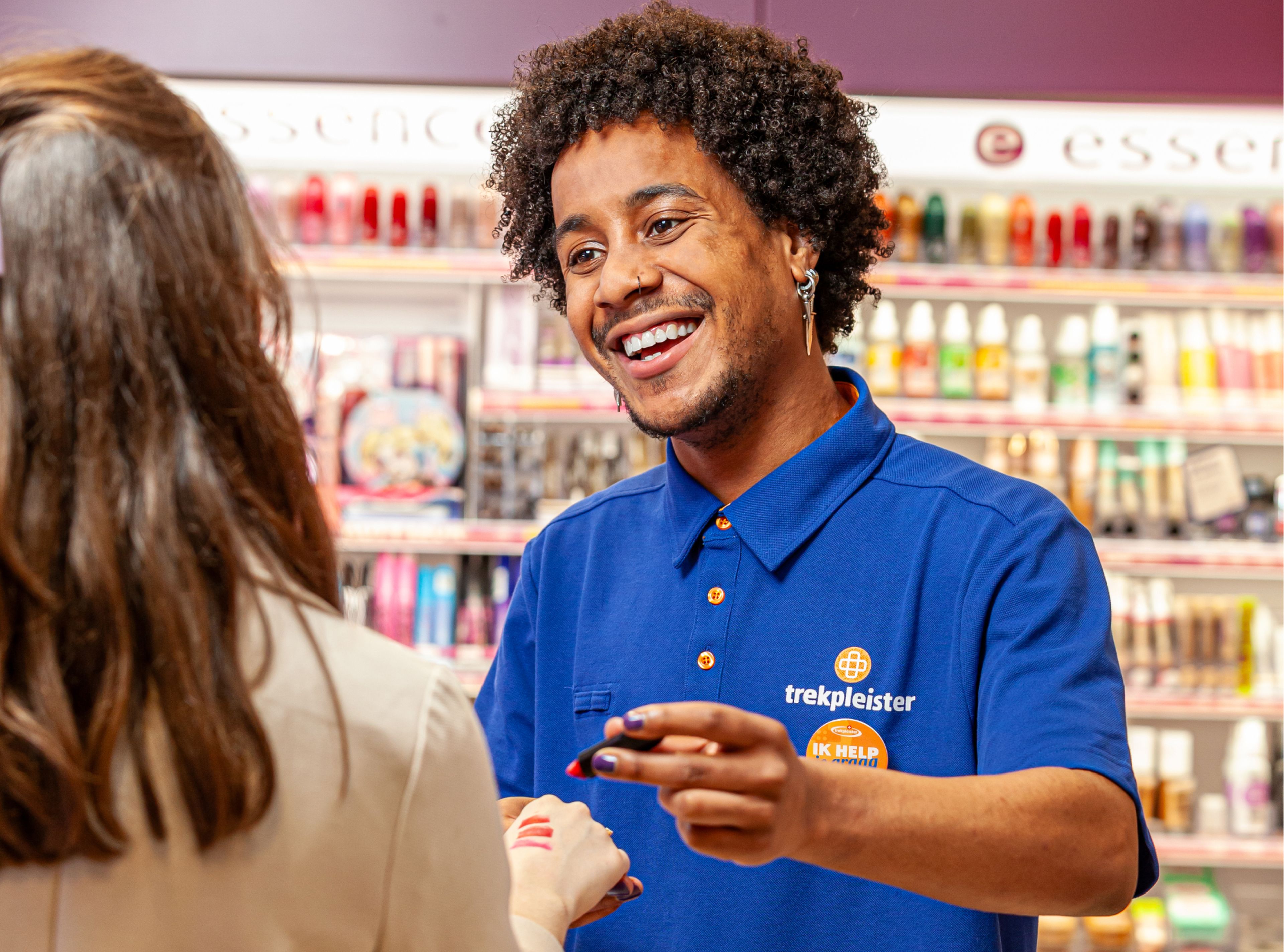
Trekpleister preboarding tool on a mobile device

The preboarding tool for Trekpleister helps new employees feel at home before their first shift.

Why traditional onboarding falls short

The problem with most onboarding programmes is not the content but the format. Information is delivered as if new employees are empty vessels waiting to be filled. People do not learn that way.

People remember what they do, not what they read. They stay engaged when they can make choices, see progress, and work toward something. They drop off when there is no feedback loop, no sense of direction, and no reason to continue.

Onboarding also starts much earlier than the first day. The window between signing a contract and starting the role is a missed opportunity for most organisations. New hires are at home, sometimes second-guessing their decision, with barely any contact from their new employer. That is exactly the period where a well-designed pre-boarding tool can build connection and confidence before day one.

The mechanics that actually work

Not every game mechanic translates well to an onboarding context. These are the approaches we find most effective:

Progress indicators give new hires a sense of direction. They can see how far they have come, what is still ahead, and what they have already completed. This reduces the overwhelm that most people feel in the first few weeks.

Missions and challenges break the induction into manageable pieces. Instead of one large block of information, people work through a series of small, achievable tasks. Each completed task provides a small sense of accomplishment that keeps them moving forward.

Social elements work especially well in large organisations. New starters who join at the same time can see each other's progress, complete challenges together, or compete in teams. This accelerates the feeling of belonging before formal team relationships have formed.

Rewards and recognition do not need to be tangible. A digital badge after completing a product training, a manager message triggered by finishing the first module, a name appearing in a team dashboard: small recognition signals have a disproportionate effect on motivation.

Scenario-based learning replaces passive theory with active decisions. Instead of reading how to handle a customer complaint, you play through the situation and see the consequences of different choices. This works particularly well for gamified learning in operational roles.

Livewall perspective

New hires remember what they do, not what they read. Onboarding that feels like play builds knowledge that stays.

From preboarding through the first month

A well-designed gamified onboarding programme does not stop after week one. The strength is in continuity: mechanics that keep challenging and rewarding new hires throughout the full settling-in period.

Think of a progression system that stretches across the first thirty, sixty, or ninety days. At thirty days: product and process knowledge tested through short challenges. At sixty days: a customer interaction simulated in a safe environment. At ninety days: a review of what has been learned and what is coming next.

For McDonald's UK, we built Condiment Rush, a gamified training experience where kitchen crew practise daily tasks through fast-paced gameplay rather than reading through manuals. The result: higher engagement, better knowledge retention, and staff who reach independence faster.

The same principle applies to preboarding. The Partou preboarding tool we built for the childcare organisation guides new hires with personalised content, practical steps, and a digital buddy, so they feel connected and prepared before they even start.

70%of onboarding content is forgotten within one week in traditional programmes
2xhigher knowledge retention with scenario-based learning versus passive modules
40%lower early attrition at organisations with strong preboarding and onboarding programmes

What it takes to do it well

Gamified onboarding is not about sticking a points system on top of existing content. The mechanics need to connect to the learning objectives, the audience, and the culture of the organisation.

That starts with a clear question: what should a new hire know, be able to do, and feel after thirty days? Working back from those outcomes, you choose the mechanics that drive the right behaviours. Only then do you decide on the format.

At Livewall, we combine behavioural design, creative concept, and technical build in one team. We look not just at what needs to be learned, but at what it feels like to be new in an organisation. What anxiety is present? What feeling do you want to create on day one? What makes someone go home after their first day genuinely excited about where they have started?

Those questions lead to better onboarding than any off-the-shelf e-learning tool can deliver.

Livewall

Want to see what gamified onboarding could do for your organisation?

At Livewall, we build onboarding and preboarding tools that actually help new people land. From concept to working product, in one team.

Get in touch with our team

What we do

Livewall builds brand experiences that people actually remember — interactive campaigns, loyalty platforms, digital products, and employer branding for ambitious brands.

Our work

We've worked with HEMA, Stabilo, Wehkamp, Efteling, 9292 and many others. Every project starts with the same question: what would make someone actually want to do this?

Talk to us

Working on something similar? We'd love to hear about it.

Contact Livewall →