

livewall
← All articles
Employee Experience14 April 2026·Livewall

The role of personalisation in modern preboarding experiences

A generic welcome message signals that you have not thought about the person. Here is how to design personalised preboarding experiences at scale without manual effort.

preboardinghr-techux

Personalisation is not a nice-to-have, it is the baseline

A new hire accepts your offer. Two weeks later they receive an email: "Welcome to our company! We look forward to getting to know you." No name. No mention of their role. No sign that anyone thought about who this person actually is.

That is the moment the first doubt appears.

Personalisation in preboarding is not about adding a first name to a template. It is about demonstrating that the organisation knows who is arriving, and that it cares. That difference is bigger than it sounds. Candidates weighing multiple offers, and that is more people every year, use these moments to decide whether to show up on day one.

At Livewall, we see this pattern consistently across the pre-boarding tools we build for retail chains, care organisations, and large service businesses. The question is always the same: how do you make preboarding feel personal without creating manual work for HR?
Livewall perspective

A generic welcome experience signals that the organisation was not ready for you. Personalisation at scale is not a technical problem, it is a design problem.

What personalisation in preboarding actually means

There are three levels at which you can personalise, and most organisations stop at the first.

Level 1: Profile data. Name, role, start date, location. These are basics you already have after the offer is accepted. They form the minimum foundation for a relevant experience. Any preboarding that does not use this data feels distant.

Level 2: Role- and context-specific content. A checkout operator starting in a city-centre store needs different information than a store manager joining a logistics hub. Different content, different priorities, different tone. At this level you start to genuinely differentiate. You are not sending the same journey to everyone, but a version matched to what this person is about to do.

Level 3: Adaptive sequencing. The order and timing of content adjusts based on behaviour. Has someone viewed the parking information three times? That tells you location is a concern for them. Did they watch the culture video all the way through within the first hour? There is real interest in the broader context. Well-designed preboarding responds to this, without any HR team member having to intervene manually.

Trekpleister preboarding tool shown on a mobile screen

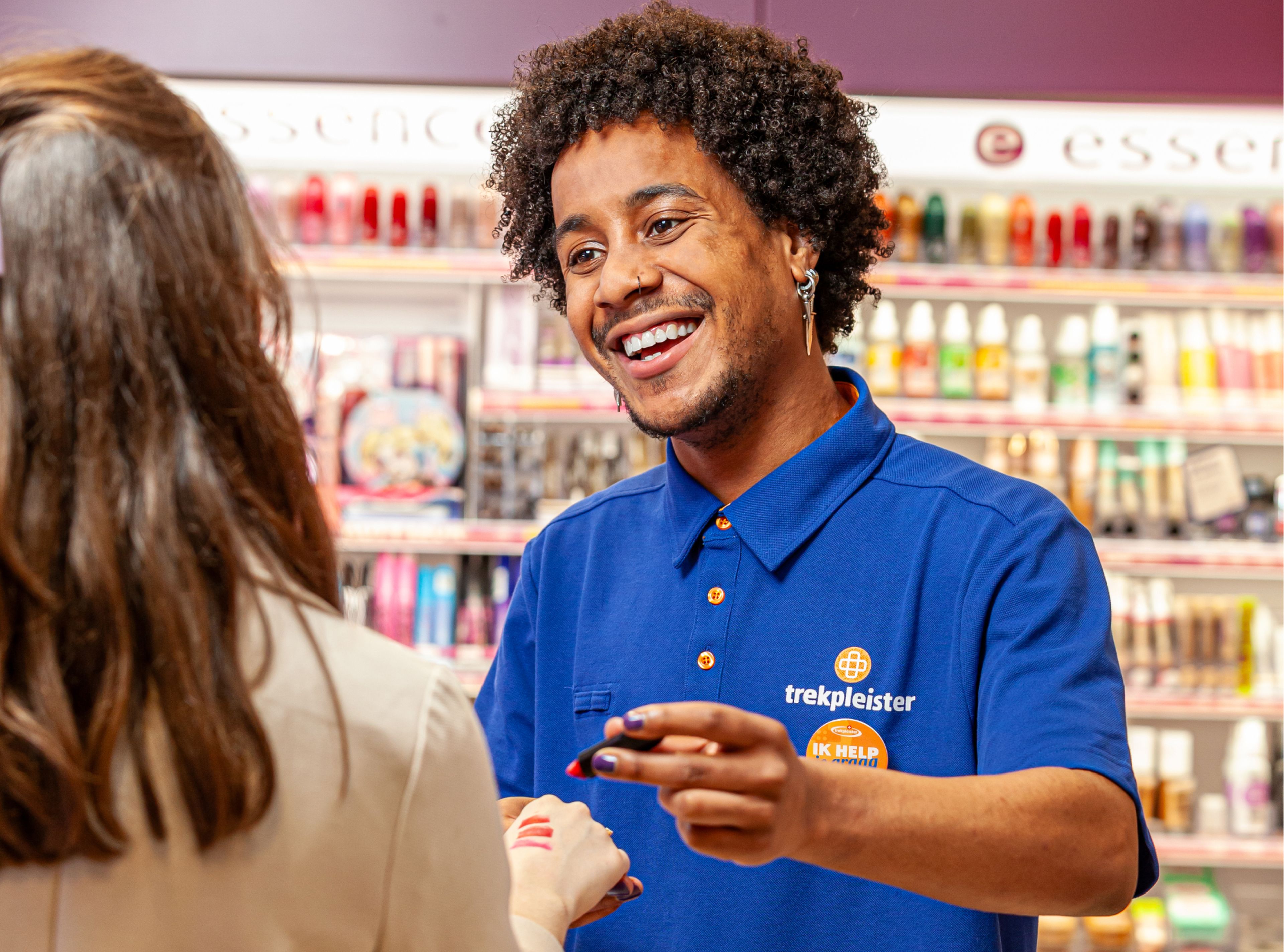
For Trekpleister, we built a preboarding tool that adapts content to role, location, and start date automatically.

Scale without manual effort

The objection we hear most often is: "We hire thousands of people a year. We cannot personalise all of that manually." That is correct. And you do not need to.

Personalisation at scale works through rules and data, not through people. You connect your ATS or HR system to the preboarding tool, and the tool uses role, department, and location to determine which content variants to show. That requires good design work upfront, but once it is set up, it runs automatically.

What you do need is a clear content architecture. Which information is universal? Which is role-specific? Which depends on location or team size? Once that structure is defined, you can deliver a relevant experience to a large, diverse workforce using a manageable number of content variants.

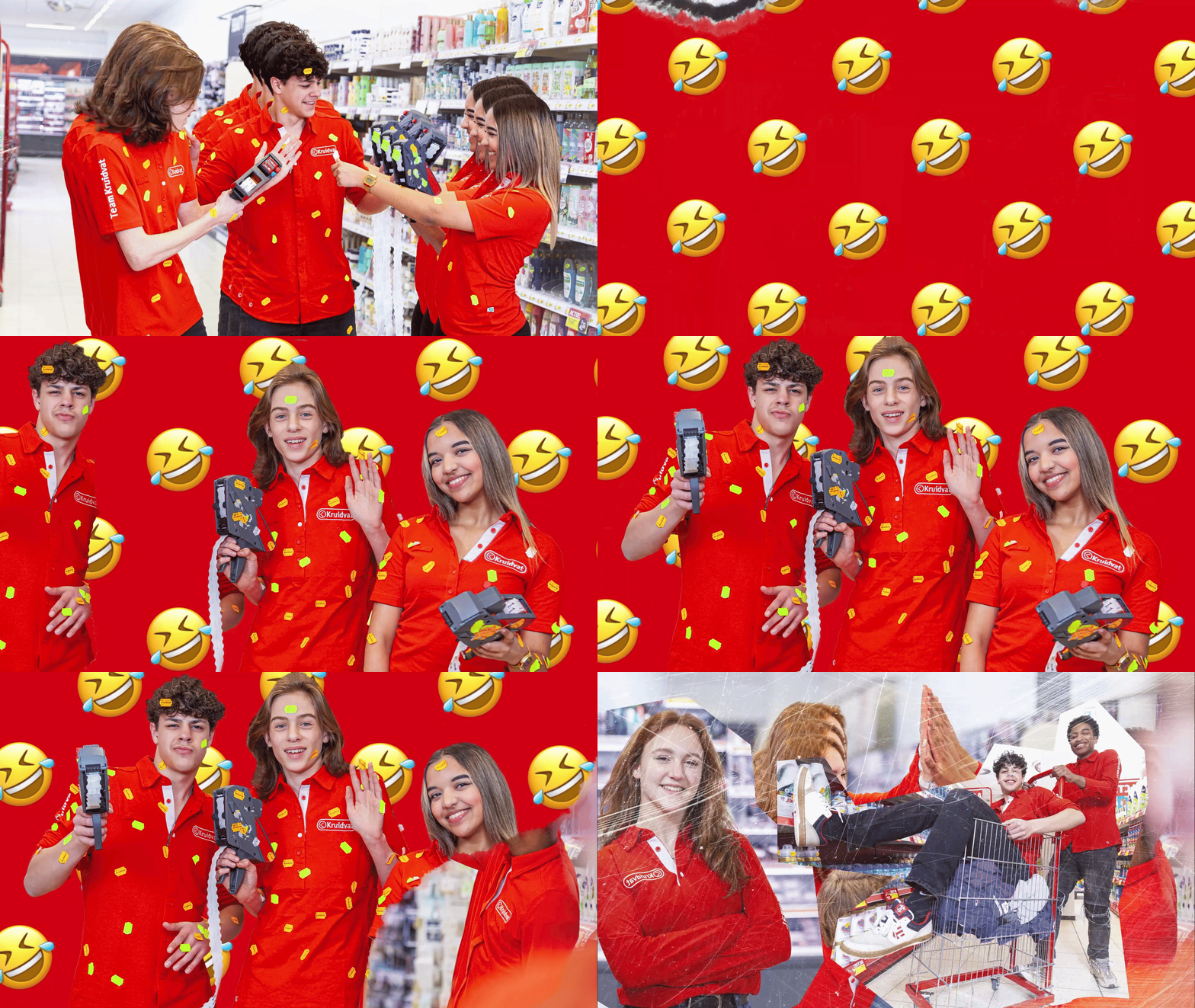
For Kruidvat Preboarding, this principle worked well. New store employees receive content matched to their specific store context, while the organisation's core message stays consistent. The personalisation sits in the details that matter to them, not in a complete rewrite of everything.

40%fewer day-one no-shows with personalised preboarding versus generic welcome journeys
higher completion rate when content is matched to the employee's specific role
2 weeksaverage time between offer acceptance and start date, a critical window to build confidence

The human side of personalised preboarding

Technology is the means, not the point. The reason personalisation works is psychological: people feel seen when a message fits who they are and what they are about to do.

This effect is especially strong in retail and care, where many new hires are young or entering formal employment for the first time. For them, the period between signing a contract and starting is particularly uncertain. They do not know exactly what to expect. They compare notes with friends who joined other employers. They pick up on signals that confirm or undermine whether they made the right choice.

A preboarding journey that addresses them by name, mentions their role, and provides concrete information about their specific team sends a very different signal than a generic PDF. It says: we were expecting you. We are ready for you.

That is the core of what we at Livewall design: not an information package, but a welcome journey. The digital onboarding experience begins not on day one, but the moment someone says yes.

Where to start if you want to scale personalisation

If you have a generic preboarding today, you do not need to change everything at once. Start with the most accessible wins.

Step 1: Segment by role group. Create two or three variants based on your most common job types. It is less work than it sounds, and the impact is immediate.

Step 2: Connect your data sources. Make sure the preboarding tool can access basic data from your ATS: name, role, location, start date. These are the building blocks for automatic personalisation.

Step 3: Build in interaction. Give the new hire something to do. Choose a preference, answer a question, upload a photo. Interaction creates engagement and gives you signal about what matters to them.

Step 4: Track completion by segment. Watch which content variants people actually finish. Low completion is a signal that the content is not relevant enough for that segment.

The pre-boarding tools we build at Livewall are designed with this kind of incremental approach in mind. Personalisation that grows with the organisation, not a big-bang project that has to be perfect before it launches.

Livewall

Ready to make preboarding personal at scale?

At Livewall, we design and build preboarding tools for organisations hiring hundreds to thousands of people a year. We help you move from generic to relevant, without adding work for your HR team.

Get in touch with our team

What we do

Livewall builds brand experiences that people actually remember — interactive campaigns, loyalty platforms, digital products, and employer branding for ambitious brands.

Our work

We've worked with HEMA, Stabilo, Wehkamp, Efteling, 9292 and many others. Every project starts with the same question: what would make someone actually want to do this?

Talk to us

Working on something similar? We'd love to hear about it.

Contact Livewall →