

livewall
← All articles
Employee Experience21 May 2026·Livewall

Interactive employer branding: moving beyond the static careers site

A static careers site answers questions candidates didn't ask. Interactive employer branding creates experiences that answer the questions they actually have.

employer-brandinggamificationhr-tech

The careers page is solving the wrong problem

Most careers pages are built as information sheets. Benefits listed out. Company values in three words. A stock photo of a meeting room. Then the job listings.

Candidates read it. And they leave, still unsure what it actually feels like to work there.

The problem is not the content. The problem is the format. A static page tells. Interactive employer branding lets people experience. That is a fundamental difference, not just in form but in what it does to a candidate.

At Livewall, we work with employers dealing with high volumes, high turnover, or roles that are hard to explain in a job description. What we see consistently: the moment you give a candidate something to do rather than something to read, the quality of applications changes.

Livewall perspective

A static careers page tells candidates what you want them to think. An interactive experience lets them discover for themselves whether they fit.

What interactive employer branding actually looks like

Interactive employer branding is not the same as putting a video on your careers site. It means building experiences where the candidate is actively involved: making choices, discovering information at their own pace, or genuinely getting a feel for what the work involves.

This takes many forms:

  • A working-at website with a personalised route based on role or interest
  • A gamified workplace exploration where candidates move through scenarios they will face in the role
  • A pre-boarding tool that connects new hires to the culture and team before day one
  • A recruitment campaign that invites participation instead of passive scrolling

The common thread: the candidate is a participant, not a spectator. That leads to better self-qualification, fewer irrelevant applications, and more people saying yes because they genuinely know what they are saying yes to.

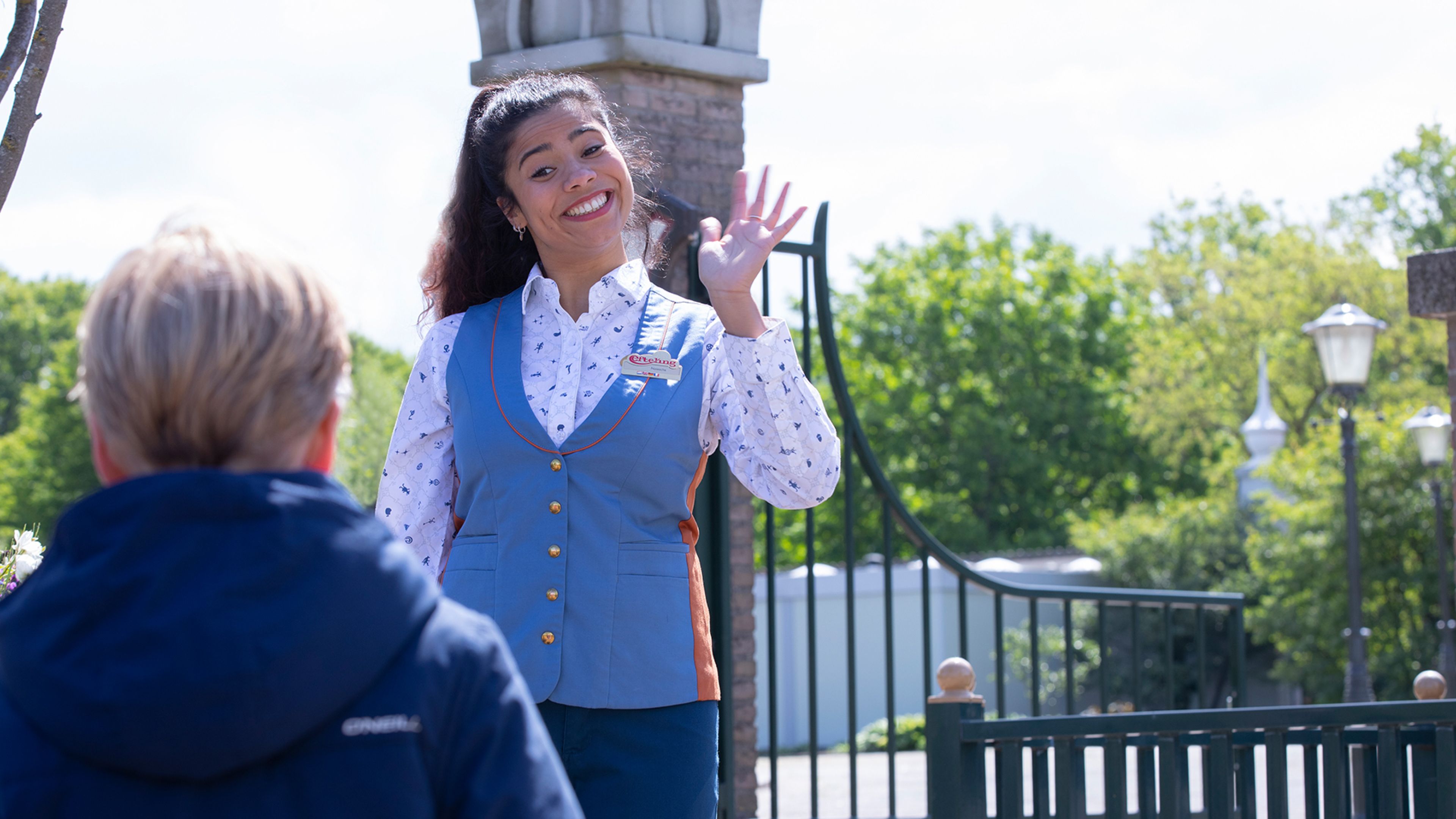
Efteling employer branding platform showing interactive role exploration and employee stories

The Efteling recruitment platform lets candidates explore the world behind the park at their own pace

Why gamification works for employer branding

Game mechanics are particularly well-suited to employer branding because they make participation feel natural. You are not asking the candidate to fill in a form. You are giving them something to do that is worthwhile on its own terms.

That might be a quiz that matches your answers to a role. A day-in-the-life simulation. A challenge that reveals the company's core values without having to state them outright.

What this approach produces:

  • Candidates who look beyond salary
  • Higher time-on-site for careers pages
  • Better cultural fit among actual applicants
  • Less early dropout, because expectations were set accurately

The Kruidvat Vriendenteam campaign is a good example of this thinking applied to recruitment: applying became a social act, done with a friend. Not a vacancy, but a format built around how young people actually make decisions.

The connection to preboarding

Interactive employer branding does not stop at the application. One of the most underused opportunities in employer branding sits in the gap between signed contract and first day.

On average, four to six weeks pass between offer acceptance and start date. During those weeks, a new hire is vulnerable to second thoughts, counteroffers from their previous employer, or simply drifting away from the brand they just chose.

Preboarding tools solve this by filling that window actively: introductions to colleagues, a preview of the first week, practical information, and a welcome experience that matches the brand's culture.

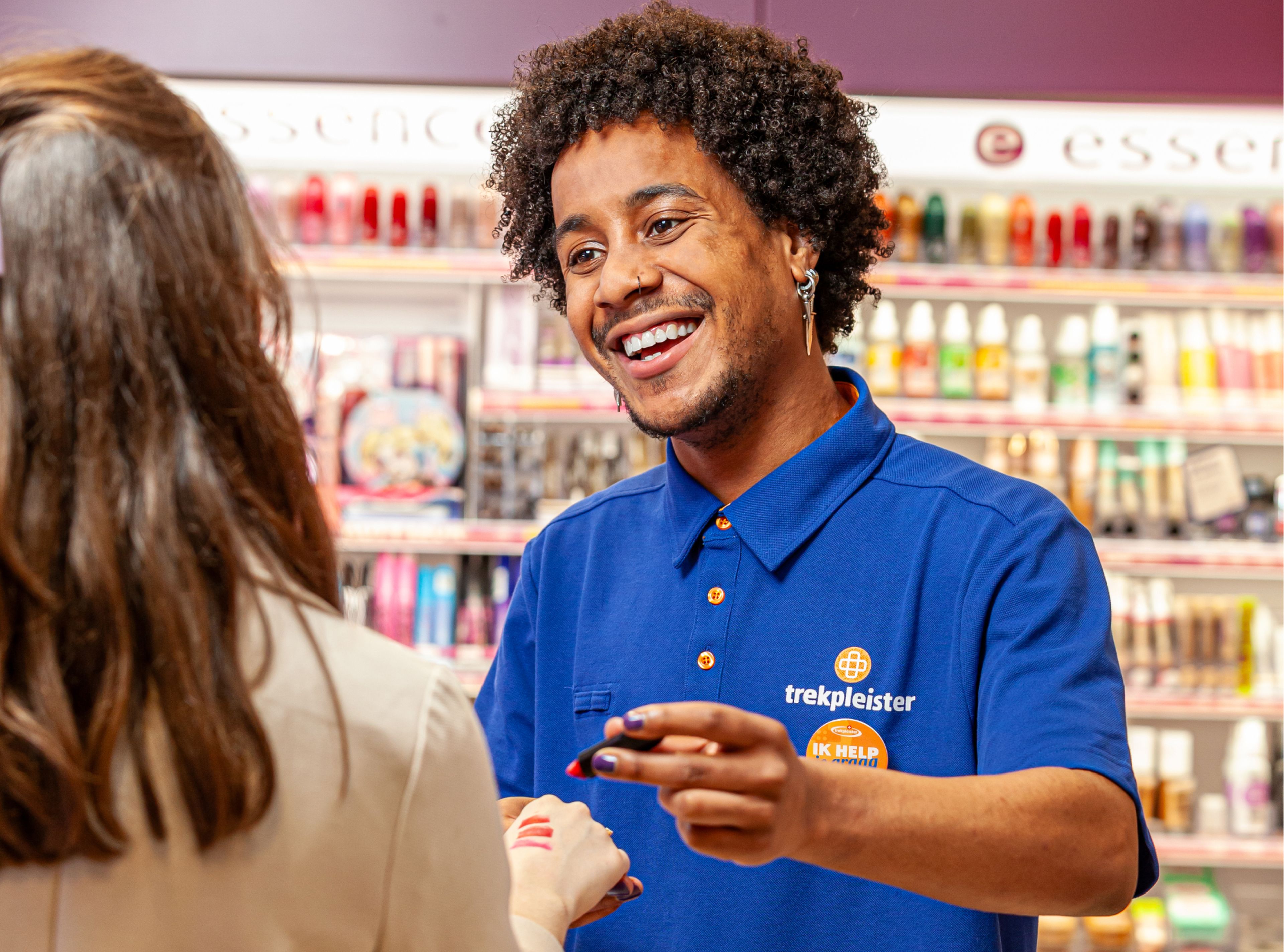
We built this for Trekpleister and Kruidvat. In both cases, interactive preboarding reduced no-shows, raised energy on day one, and meant new employees were effective sooner because they had already absorbed the basics before arriving.

4-6 wksbetween hiring and start date: a window most employers leave completely unused
30%of new hires have doubts in the period before their start date
2xhigher conversion on interactive careers platforms compared to static pages

What a strong interactive employer branding approach needs

A mistake we see regularly: companies invest in a good-looking platform but forget the strategy behind it. Interactivity without purpose is entertainment without direction.

A strong approach starts with a few clear questions.

What behaviour do you want to trigger in the candidate? Explore, identify, apply? Or actually: decide for themselves that this is not the right place? Self-qualification is an underrated outcome.

Who is your audience, really? Not 'young talent'. But: interns moving up? Career-switchers in their mid-thirties? The tone, mechanics and format differ significantly per group.

How does this connect to the broader talent journey? A careers platform is not an island. It needs to feed into your job channels, ATS, preboarding and first-day experience.

Livewall always thinks from the full journey. We build not just the platform or the campaign, but look at how everything comes together into an experience that attracts the right people and keeps them.

Livewall

Ready to transform your employer brand experience?

At Livewall, we build interactive employer branding platforms, working-at websites, and preboarding tools that let candidates experience what it is like to work with you. Get in touch and tell us about your recruitment challenge.

Get in touch with our team

What we do

Livewall builds brand experiences that people actually remember — interactive campaigns, loyalty platforms, digital products, and employer branding for ambitious brands.

Our work

We've worked with HEMA, Stabilo, Wehkamp, Efteling, 9292 and many others. Every project starts with the same question: what would make someone actually want to do this?

Talk to us

Working on something similar? We'd love to hear about it.

Contact Livewall →