

livewall
← All articles
Employee Experience29 March 2026·Livewall

How to use video in preboarding platforms effectively

Video is the highest-impact content format in preboarding, and the most misused. Here is how to brief, produce, and structure preboarding videos so new hires actually watch and retain them.

preboardinghr-techemployer-branding

Video in preboarding works. Just not in the way most HR teams use it.

We see the same pattern repeatedly: an enthusiastic recruiter films a CEO praising the organisation, a supervisor walking through safety procedures, or a manager reading the job description out loud. Those videos get uploaded to a pre-boarding app. And new hires skip them without watching.

Not because video is the wrong format. Because the videos were made for the sender, not the receiver.

At Livewall, we build pre-boarding tools for retailers, healthcare organisations, and large service businesses. We have seen what lands and what gets ignored. This article covers the briefing, production, and structure that make preboarding videos worth watching.

Livewall perspective

New hires do not want to know what the CEO thinks of the organisation. They want to know what it feels like to be there on day one.

What new hires actually want to hear

Before day one, a new hire has one central question: 'Did I make the right choice?' You do not answer that with a corporate film. You answer it with recognisable, human stories.

The strongest preboarding videos are not productions. They are short conversations with people on the floor, teams in action, or one employee talking honestly about what their first week was actually like, including the moment they could not find the stockroom.

That kind of honesty builds trust. Trust reduces no-shows.

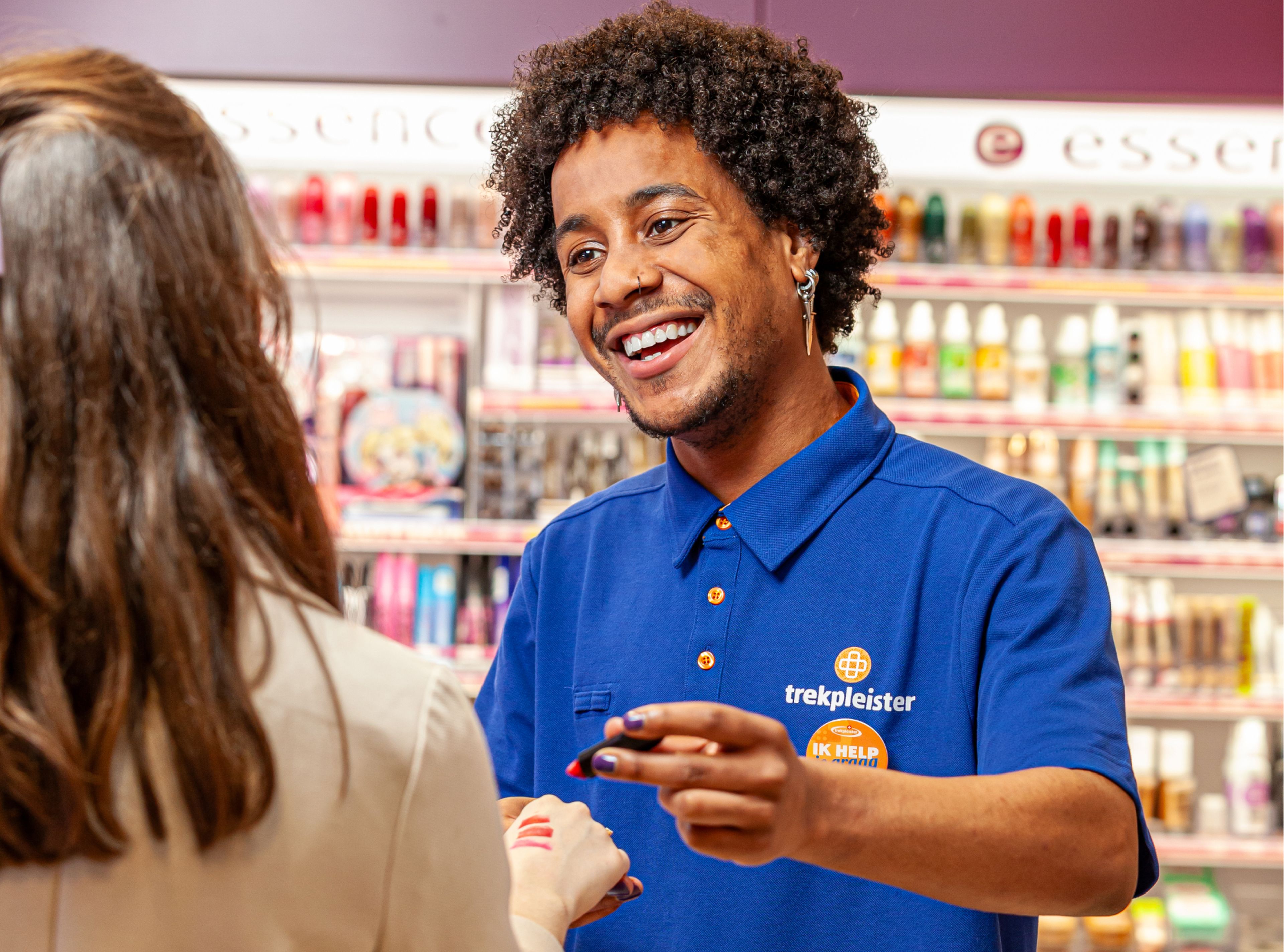
For the Trekpleister preboarding platform we built for AS Watson, we chose short, atmosphere-first videos featuring real store employees rather than a polished introduction clip. New hires recognised their own future situation in what they watched. That created connection before they had even worked a shift.

The four video types that work in preboarding

Not every video has the same job. We work with four types that each serve a specific role in the preboarding journey.

1. Welcome video from a direct colleague Not from the CEO, not from HR. From the team lead or a colleague the new hire will work alongside on day one. Short, personal, and self-recorded feels better than polished and distant. Two minutes is enough.

2. Environment and atmosphere video Show the workplace as it actually is. The canteen, the warehouse, the break room. New hires want to know what their daily environment looks like. This significantly reduces first-day anxiety.

3. Practical instruction video What does someone need to know before day one? Where do they park? How do they check in? This is the only type where a calm, clear presentation style works well. Keep each topic to ninety seconds maximum.

4. Culture video with real employees No script. No director. Ask three people to share one thing they enjoy about their work. Raw, genuine, and recognisable outperforms corporate every time. This video type has the highest watch rate in our pre-boarding apps.

Partou preboarding platform showing video structure spread across the new hire journey

Partou preboarding: personal videos distributed across the journey, not stacked at the start.

How to structure videos inside a pre-boarding app

Most preboarding platforms overwhelm new hires with fifteen videos in the first week. That does not work.

The key rule is one video per day, timed to when the information is relevant. If someone starts on Monday, the instruction video about their first day has the most impact on the Friday before. The culture video about the team works better on Tuesday, after they have had a chance to process day one.

We use time-gated visibility in our pre-boarding tools. Videos only become visible at the moment they become relevant. This increases watch rates by 40 to 60 percent compared to platforms that make all content available immediately.

A second structural principle: never pair video with a heavy text block in the same step. If you have a video about the workplace, that is what the step is about. No supplementary PDF, no extended description. Video and text compete for the same attention.

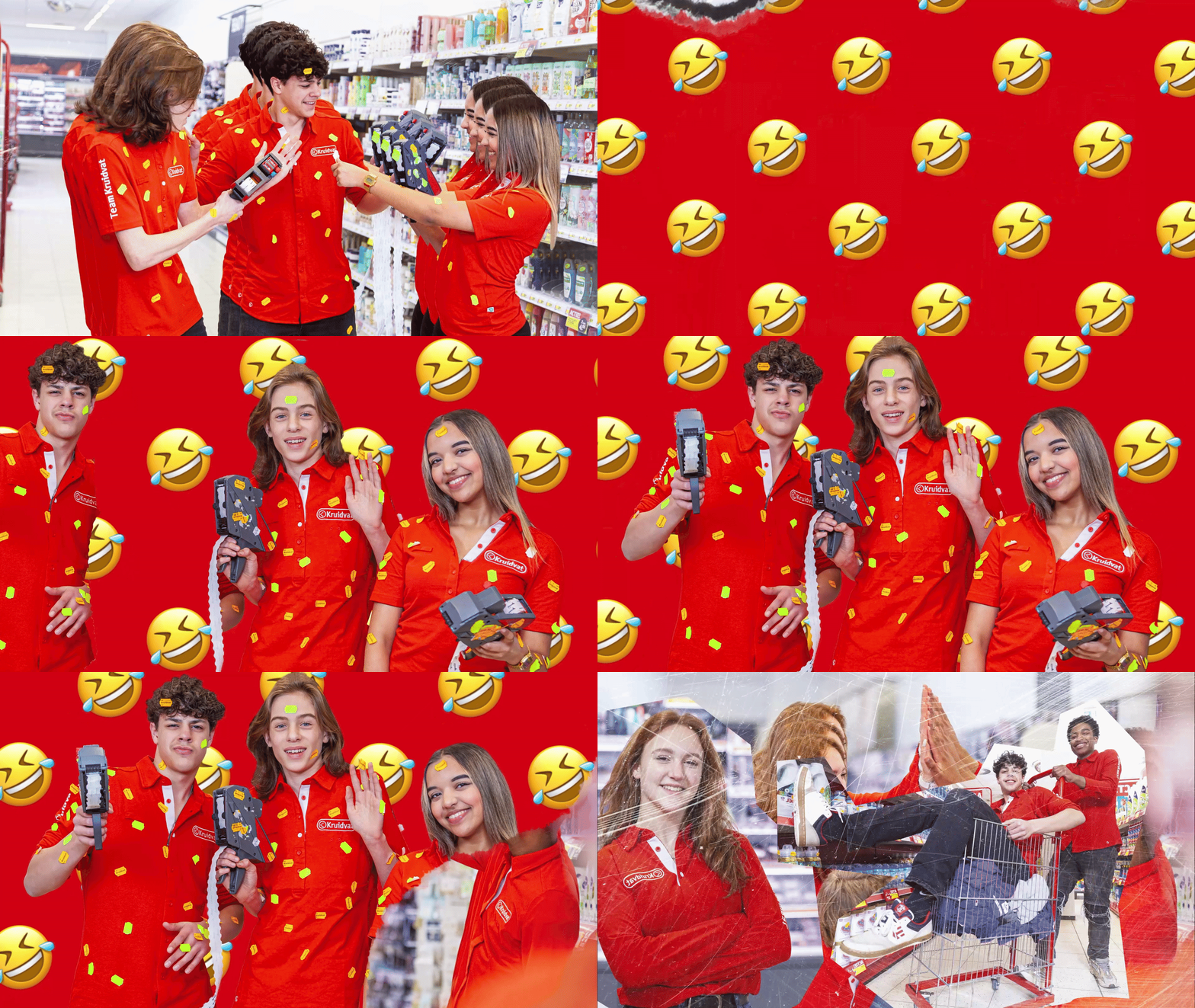
For the Kruidvat preboarding platform, redesigning the video sequence without shooting new footage produced a meaningful increase in completed journeys. The quality of the videos was not the problem. The timing and context were.

60%higher watch rates with time-gated video visibility
2 minoptimal length for welcome and culture videos
1 videoper day as the benchmark for maximum retention

How to brief your production team

Most preboarding videos fail in the briefing. Production teams receive a list of topics and a day on location. The result is a polished corporate film that feels like advertising for the organisation itself.

Here is what to give your production team instead.

Audience first. Who is the new hire? What is the typical age range? What are their expectations? A new call centre employee at 22 watches video differently from a 45-year-old manager stepping into a new company.

No script, but a frame. Give the employees appearing on camera a few questions, not text to read. 'What would you tell a new colleague about the first week?' produces real answers. A script produces acting.

Shorter takes, more variety. Five two-minute videos are more valuable than one ten-minute video. Each video has one point. One story. One moment.

Shoot for mobile-first. Most new hires access a pre-boarding app on their phone, at home on the sofa. Vertical or square format works better than traditional widescreen. Subtitles are non-negotiable.

Measuring what works

A well-built pre-boarding app shows you which videos are watched and which are skipped. Use that data actively.

Track watch rate per video. Anything below 50 percent is a signal that the video is placed at the wrong moment, is too long, or does not connect with the new hire's reality.

Also track drop-off point. If 80 percent of viewers leave a video after 30 seconds, the opening is not strong enough. If they drop off halfway, the video is too long or loses relevance.

This data is valuable, but also a trap. Use it to improve videos, not as a reason to add more. Less, better-timed content consistently outperforms higher volume.

At Livewall, analytics are built into every pre-boarding tool we ship, so HR teams can see exactly where new hires engage and where they fall off, without needing to dig into a dashboard.

Livewall

Want to make video work in your preboarding?

Livewall builds preboarding platforms for organisations that want new hires to feel connected before day one. We help with briefing, structure, and the technical build.

Get in touch with our team

What we do

Livewall builds brand experiences that people actually remember — interactive campaigns, loyalty platforms, digital products, and employer branding for ambitious brands.

Our work

We've worked with HEMA, Stabilo, Wehkamp, Efteling, 9292 and many others. Every project starts with the same question: what would make someone actually want to do this?

Talk to us

Working on something similar? We'd love to hear about it.

Contact Livewall →