


livewall
← All articles
Employee Experience16 April 2026·Livewall

How to design a preboarding experience for remote and hybrid workers

Remote and hybrid workers can feel disconnected before they've even started. Here is how to design a preboarding experience that builds belonging and clarity for a distributed workforce.

preboardinghr-tech

A new hire signs the contract. Then nothing. No message, no access to tools, no introduction to the team. By the time their first day arrives, the doubt is already there.

For people starting in an office, the environment does some of the work. They see the building, meet colleagues, pick up the culture through proximity. Remote and hybrid workers don't have that. They start their first morning at home, on a laptop that may have arrived just in time, working through a schedule of back-to-back video calls with people they've never met.

Good preboarding solves this before the first hour begins. But most organisations design it for a different era, one where everyone shows up on-site. For remote and hybrid workers, that approach fails.
Livewall perspective

The weeks between offer acceptance and start date are too valuable to waste. It is the single best window you have to make someone feel they made the right choice.

What remote workers are missing

When you join an organisation in person, you absorb things passively. The way people talk to each other. How informal the atmosphere is. Who sets the tone in meetings. That context is nearly impossible to communicate in an email with an attachment.

Remote and hybrid workers are missing:

  • Visibility into who their direct colleagues are and how they operate
  • Cultural context about norms, expectations, and unwritten rules
  • Practical clarity about what day one actually looks like
  • A sense of belonging to the brand and its mission

A well-designed preboarding experience fills those gaps. Not by dumping everything into a PDF, but by surfacing the right information at the right moment, through a format that fits how people communicate digitally today.

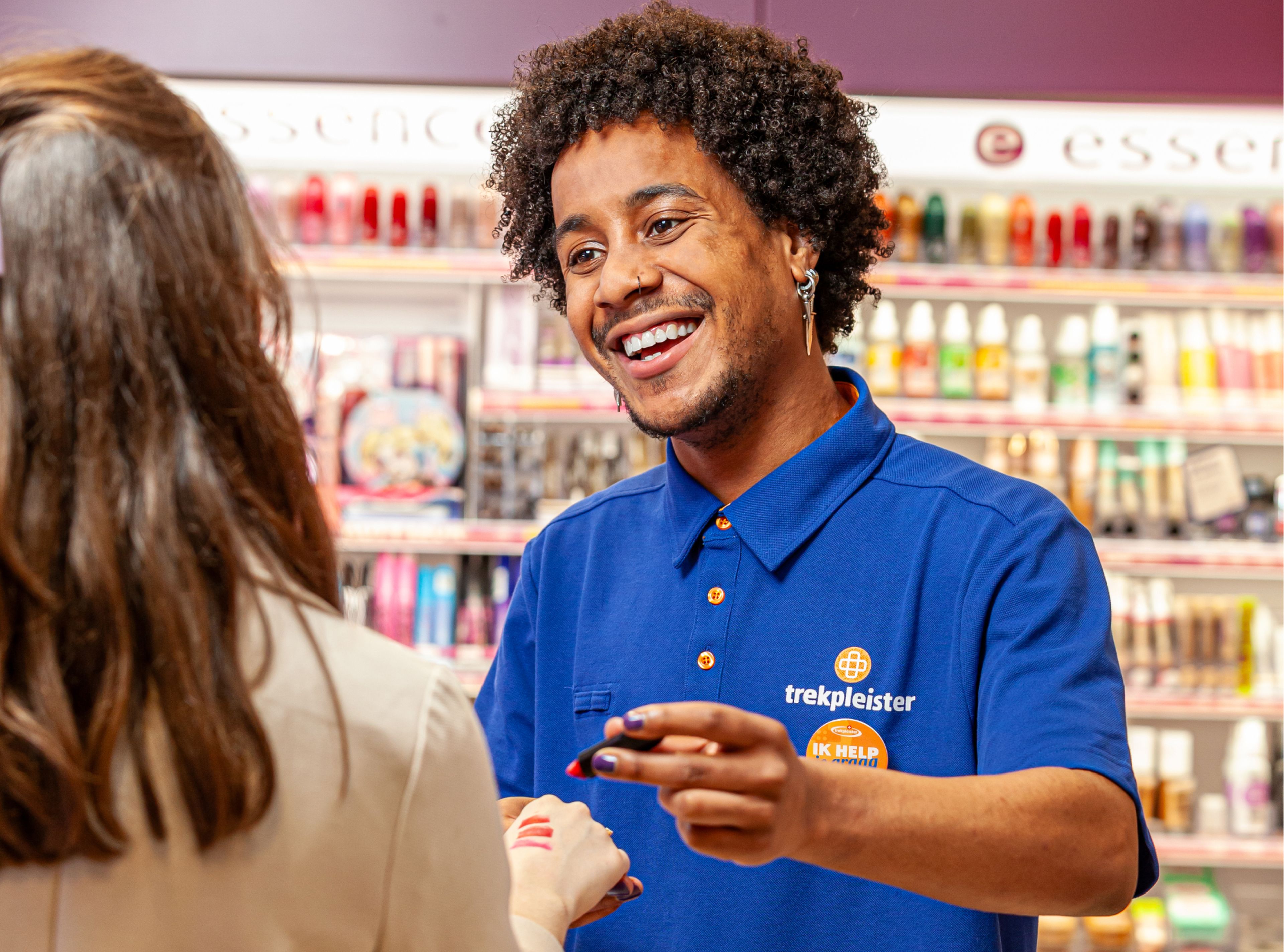
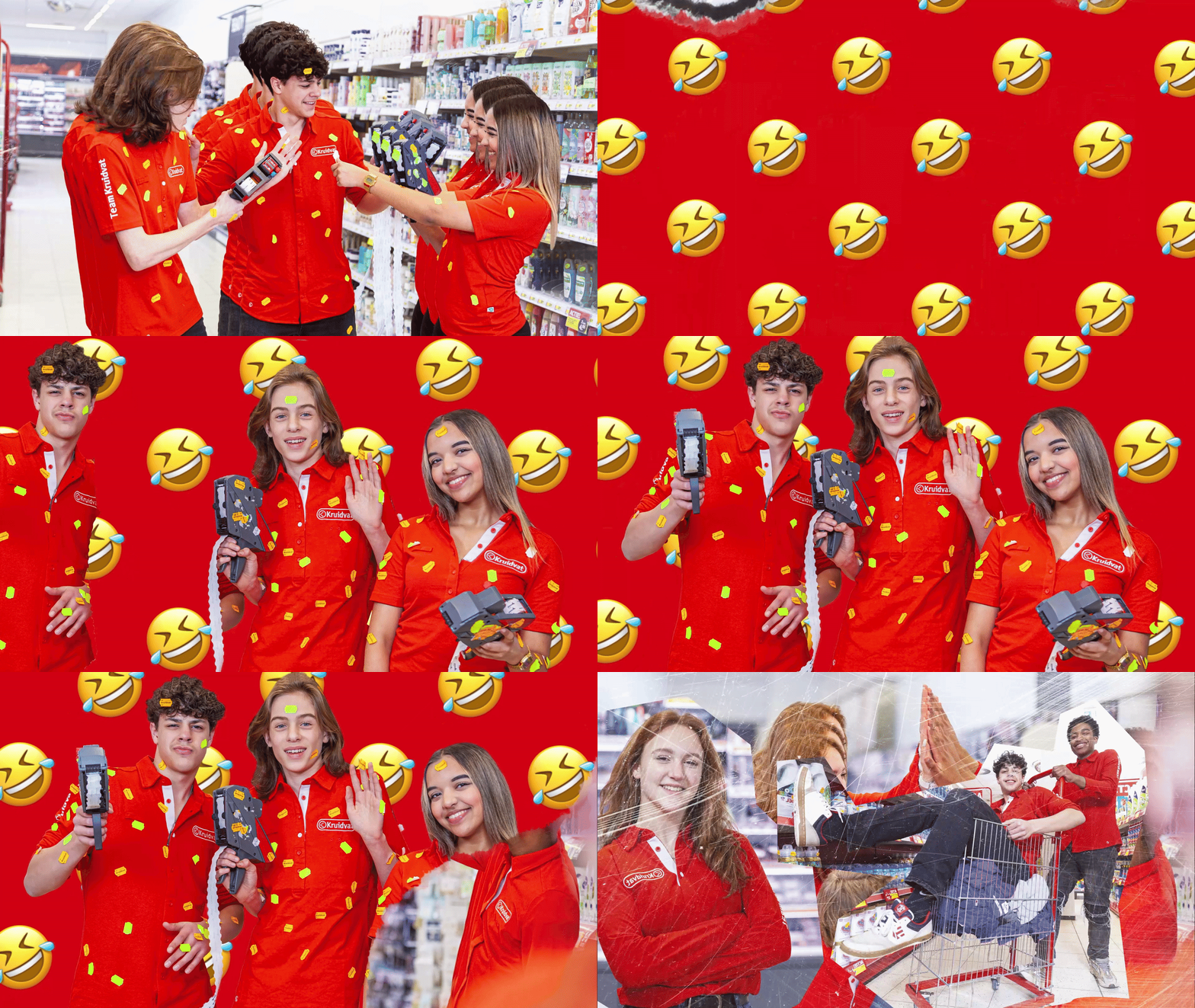
Trekpleister preboarding tool for new employees

For Trekpleister, Livewall built a preboarding platform that prepares new retail employees for their role and team before day one.

Four building blocks of effective preboarding

1. Progressive disclosure, not information overload

A preboarding platform that delivers everything at once doesn't work. People don't retain it and feel overwhelmed before they've even started. Spread content across the weeks between signing and start date. Week one covers who you are as an organisation. Week two focuses on the role. Week three prepares them specifically for day one.

2. Human faces, not brand logos

The most effective thing you can do in preboarding is introduce new hires to the people they'll work with. Short videos from the team. A message from the manager. An intro from a buddy. Remote workers will be staring at a screen on day one. Give them faces they already recognise.

3. Practical clarity about day one

What is the first thing I should do? How do I log in? When is the first team call? For remote workers, this clarity matters twice as much, because there is nobody to quickly ask. A well-designed pre-boarding tool gives step-by-step guidance for the first day, adapted to how remote work looks in that specific organisation.

4. Participation that runs both ways

Preboarding works best when it is not one-directional. Let new hires contribute something before day one: send in a short introduction, fill in a preferences form, post a question to the team. This increases engagement and gives the organisation useful information straight away.

Why hybrid teams make preboarding harder

For hybrid teams, the challenge is more complex. Some new hires start on-site, others at home. The preboarding experience needs to work for both, but it should not be identical.

What we see consistently at Livewall when working with clients who run hybrid teams: the most common failure is not that preboarding is bad, it is that it is too generic. Everyone gets the same journey regardless of whether they are sitting in an office on Tuesday morning or starting remotely on a Monday. A platform that allows personalisation based on location, role, and start date fixes this.

Tone also matters. Remote workers are not less engaged, but they need more reassurance. Write preboarding content that is direct, warm, and concrete. Avoid corporate language. Be specific about what someone can actually expect.

20%of new hires leave within 45 days when preboarding is absent
higher retention among employees who go through structured preboarding
60%of remote workers report feeling underprepared on day one

What a good preboarding platform needs technically

An effective platform for remote and hybrid preboarding requires a few non-negotiables:

  • Mobile-first — many new hires will access preboarding on their phone, not a work laptop
  • No VPN or complex login required — the employee doesn't have a company account yet during preboarding
  • Integration with HR systems — start date, role, and location determine which content someone sees
  • Progress tracking — managers and HR can see where each new hire is in the journey
  • Push or email notifications — timely reminders drive higher completion rates

At Livewall, we build pre-boarding tools that meet these requirements and fit the specific context of the organisation. Whether that is a retail chain welcoming hundreds of new starters each month, or a professional services firm with a longer lead time before someone joins.

Livewall

Build a preboarding experience that works at a distance

Whether you welcome dozens or thousands of new starters each year, Livewall can help you design and build a preboarding platform that fits the way your people actually work. Remote, hybrid, or on-site.

Get in touch with our team

What we do

Livewall builds brand experiences that people actually remember — interactive campaigns, loyalty platforms, digital products, and employer branding for ambitious brands.

Our work

We've worked with HEMA, Stabilo, Wehkamp, Efteling, 9292 and many others. Every project starts with the same question: what would make someone actually want to do this?

Talk to us

Working on something similar? We'd love to hear about it.

Contact Livewall →