


livewall
← All articles
Employee Experience17 January 2026·Livewall

How to design a preboarding experience for frontline workers

Frontline workers have different needs from desk-based employees. Here is how to design a preboarding experience that works on mobile, fits into real lives, and reduces early churn.

preboardinghr-techretail

Most preboarding tools are built for office workers. A laptop, a quiet moment, ten minutes to read through a welcome page. That is not the reality for someone who starts their first shift next week at a retail store, a warehouse, or a care facility.

Frontline workers have little spare time, use their own phones, and are already managing ten other things when they sign their contract. A preboarding experience that actually reaches them has to account for that, from the first screen to the last piece of information before day one.

At Livewall, we build pre-boarding tools for organisations with large frontline workforces: pharmacy chains, theme parks, childcare providers, security firms. This is what we have learned.
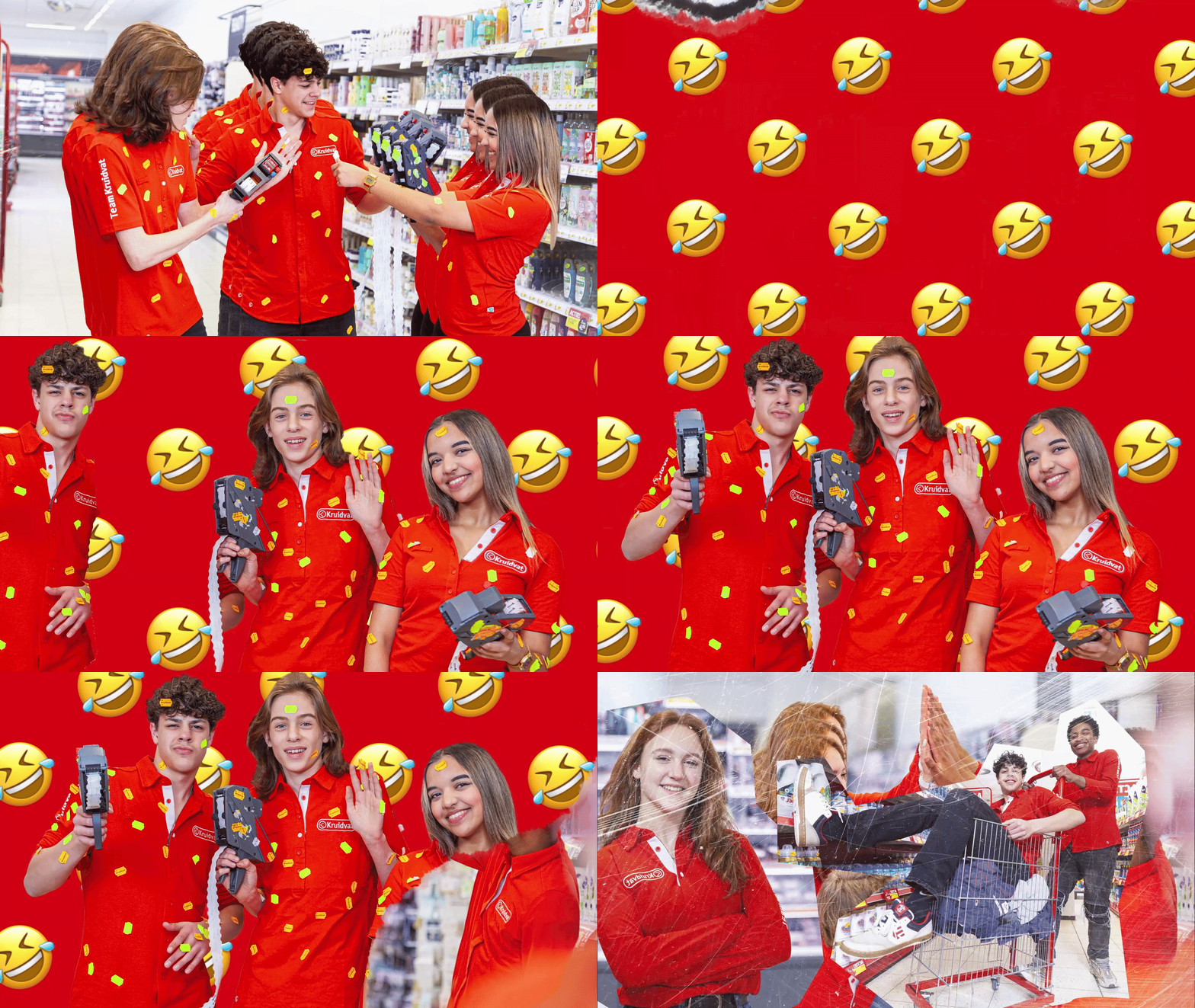
Kruidvat preboarding tool on mobile

The Kruidvat pre-boarding app guides new employees through everything they need before day one.

Mobile is not an afterthought, it is the foundation

Frontline workers do not have a work phone when they are hired. They use their own smartphone, at a time that suits them, usually in short windows. On the train, on the sofa, five minutes before bed.

That means a pre-boarding app has to be built for small screens, slow connections, and brief sessions. No long text blocks. No PDFs. No videos without subtitles that only load on Wi-Fi.

Designing well for mobile means:

  • Short information chunks readable in under a minute
  • Progress that saves automatically
  • Notifications via WhatsApp or SMS rather than email alone
  • No mandatory account creation if it creates unnecessary friction

This sounds obvious, but many tools still fall short here. We see it repeatedly: a well-designed preboarding environment that works beautifully on desktop but freezes halfway through on an older Android device.

Deliver information at the right moment, not all at once

One of the most common mistakes is dumping everything in one go. Employment terms, house rules, safety protocols, team introductions, a message from the CEO. New hires click through it all and retain almost nothing.

Frontline workers need information that arrives when it is relevant. Right after signing: am I welcome? What do I need to bring on day one? A week later: who are my colleagues? What are the rules? The evening before: exact time, location, how to get there.

We call this a staged information flow. Content is spread across the period between contract and first shift. Each step has a clear purpose, and you never ask for too much attention at once.

This approach also works well for onboarding experiences that continue after day one. The boundary between preboarding and onboarding dissolves when the design is thoughtful.

Livewall perspective

Frontline workers do not drop out because they are unmotivated. They drop out because they do not feel seen in the period before they officially start.

Make it personal, even when the scale is large

A retail chain hiring hundreds of people a month cannot write a personal letter to each of them. But that does not mean the preboarding has to feel anonymous.

Small adjustments make a significant difference. A greeting by name. An introduction to the specific location where someone will be working, not a generic overview of the whole company. A video from their direct manager instead of the CEO.

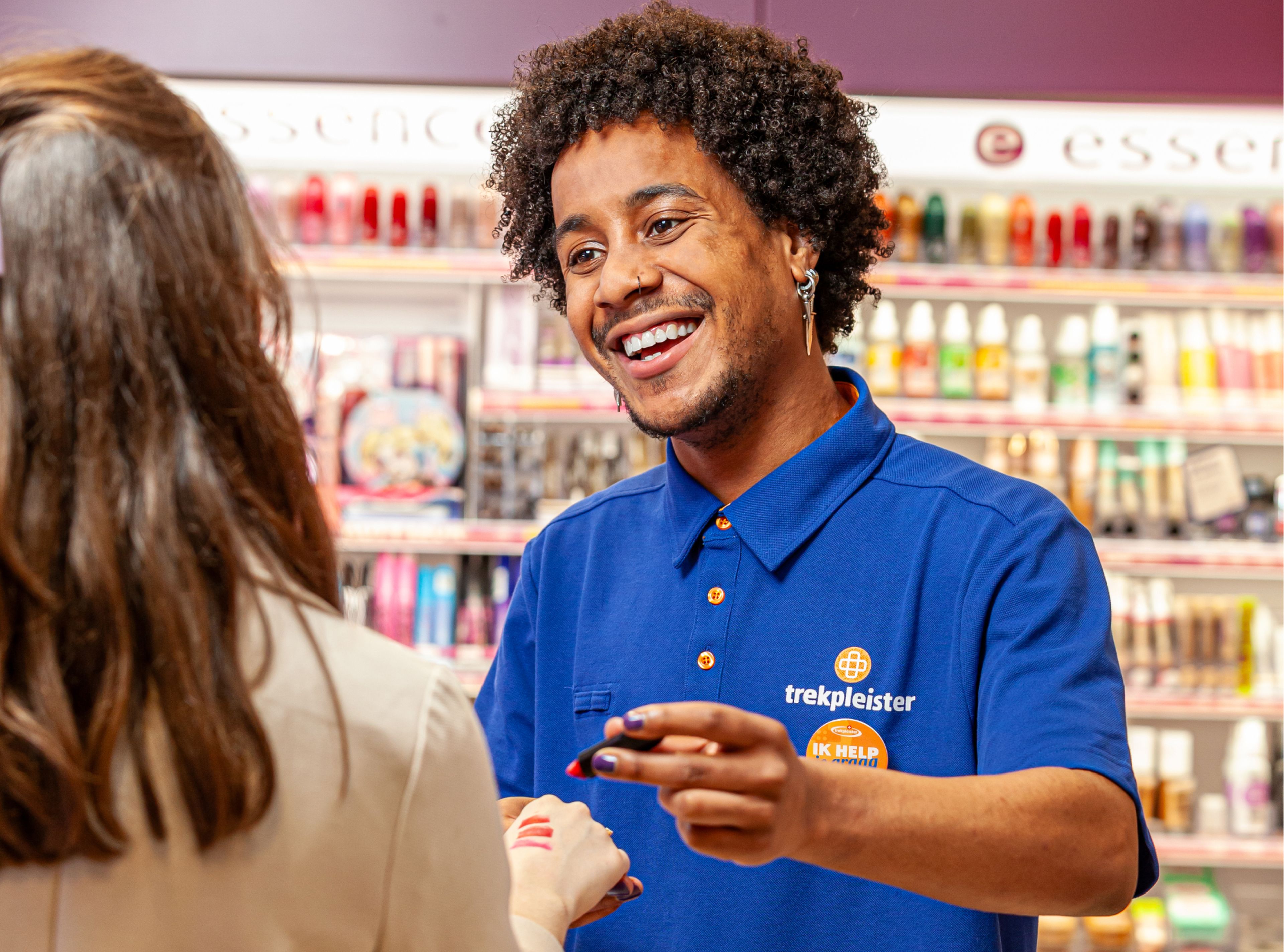
For the Trekpleister preboarding, we used location-specific content so that a new employee in Utrecht saw information about her own store and her own team. That is not technically complex to build, but its effect on how welcome someone feels is substantial.

Personalisation does not have to mean bespoke. It means making someone feel addressed as an individual, not as one of a thousand new hires this year.

Do not skip the emotional layer

Most preboarding tools focus entirely on information transfer. What to know, what to bring, what the rules are. That is necessary. It is not enough.

For someone starting a new job for the first time, returning to work after a long break, or just finished school, there is more going on. Nerves. Doubt. The question of whether they made the right choice.

A good preboarding experience acknowledges that. A short video from a colleague who says: "The first day is exciting, and you are not alone." A quiz about the work environment that reflects the culture and atmosphere, not just the procedures. Small moments that confirm: you are welcome, we are looking forward to having you.

For the Partou preboarding, Livewall included a digital buddy in the tool. New employees were guided by a friendly character who walked them through each step in a tone that felt human and warm. That works especially well for organisations where culture is a major part of the appeal.

40%of frontline workers leave a new job within the first three months
3xhigher retention likelihood with a structured preboarding approach
day 1feels less daunting when employees already know what to expect

What sets a good pre-boarding app apart

Not every HR tool is a pre-boarding app. Generic HR systems are built for administration, not for experience. They are functional, rarely inviting.

A pre-boarding app that works for frontline workers has a few defining qualities:

Low barrier to entry. No lengthy registration. No requirement for a work email address. Access via a simple link or a short code.

Short sessions. Everything is completable in two to five minutes per step. No long videos that must be watched in full before progressing.

Offline capability. Not all employees have a reliable connection at all times. A tool that works without Wi-Fi is not a luxury.

Clear progress indicators. Employees want to know how far along they are. A simple progress bar is enough.

Integration with existing communication. SMS or WhatsApp reminders reach frontline workers more reliably than emails that go unopened.

At Livewall, we always start with the audience, not the technology. The question is always: what does this employee's life look like, and how does our tool fit into it?

Livewall

Want to reduce early churn in your frontline workforce?

At Livewall, we build preboarding experiences that work for people on the shop floor. Not a generic HR tool, but a solution that fits your audience and reflects your culture.

Get in touch with our team

What we do

Livewall builds brand experiences that people actually remember — interactive campaigns, loyalty platforms, digital products, and employer branding for ambitious brands.

Our work

We've worked with HEMA, Stabilo, Wehkamp, Efteling, 9292 and many others. Every project starts with the same question: what would make someone actually want to do this?

Talk to us

Working on something similar? We'd love to hear about it.

Contact Livewall →