

livewall
← All articles
Employee Experience18 February 2026·Livewall

How to design a buddy system that actually helps new hires settle

Buddy systems are common. Effective buddy systems are not. Here is how to design the matching, the brief, and the structure so buddy relationships genuinely accelerate belonging.

preboardinghr-techemployer-branding

Almost every organisation with more than fifty employees has a buddy system. Almost none of them have one that actually works.

The buddy exists on paper. New hires get assigned to someone, a welcome email goes out, and then nothing. Two weeks in, the contact has faded. A month later, nobody remembers who was paired with whom.

That is not a failure of the buddy. That is a design failure.

At Livewall, we build onboarding experiences and pre-boarding tools for organisations in retail, healthcare, and entertainment. What we see consistently: a buddy system lives or dies on three things. The matching. The brief. The structure. Skip one of them, and it falls apart.
Livewall perspective

A buddy does not become effective by being named. They become effective by being designed.

Matching: connect on character, not on job title

The most common mistake is matching by role or department. New hire in customer service? Pair them with someone from customer service. Logical. And almost always wrong.

What new hires need is someone they feel safe asking questions. Not someone who will assess their performance later, or whose daily work depends on them. The buddy relationship needs to be a genuinely low-stakes space.

Good matching considers:

  • Communication style. Not everyone wants a buddy who checks in every day. Some people need exactly that frequency, others find it suffocating.
  • Career stage. A buddy who was new themselves two years ago still remembers how it felt. Someone with twenty years of tenure has a very different lens.
  • A shared point of contact outside work. Not required, but a natural commonality makes conversations easier to start.

Think of matching less like an admin assignment and more like designing a connection. The better the fit, the less scaffolding you need around it.

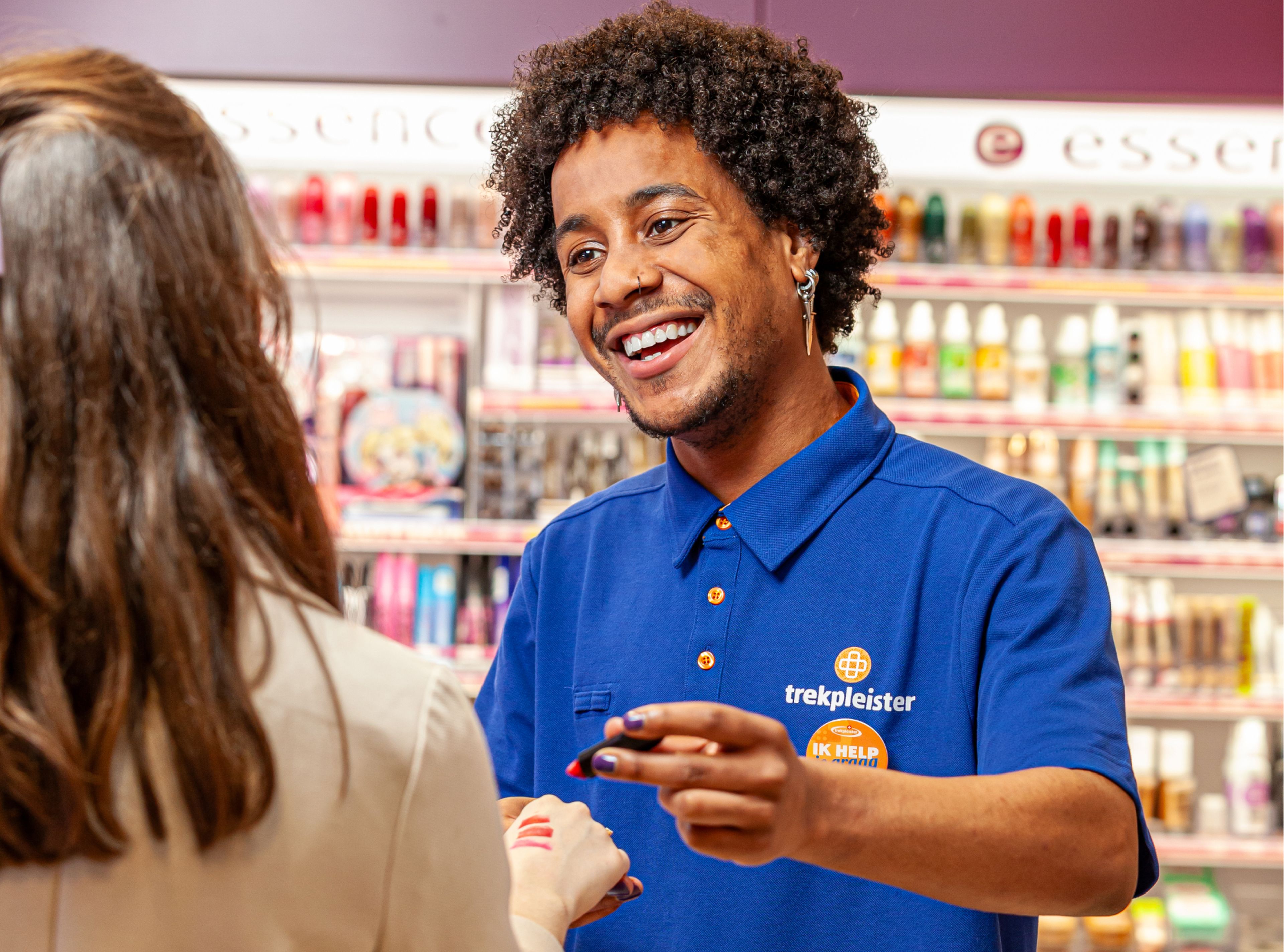
Trekpleister preboarding tool connecting new employees before day one

For Trekpleister, we built a preboarding tool that connects new hires with their role and team before their first shift.

The brief: give the buddy something concrete to do

A buddy without a clear task does not become a buddy. They become a colleague who is occasionally nearby.

A good brief is not a thick handbook. It is a clear description of what is expected, over what period, and what a good outcome looks like. Concretely:

  • Week 1: send a welcome message before the first day
  • Week 1-2: be available for questions once a day
  • Week 3-4: hold a weekly twenty-minute conversation
  • Week 5-8: available ad hoc, the new hire takes the lead

Brief the buddy on what they are not responsible for as well. The buddy does not own the onboarding content, does not manage performance reviews, and does not track progress. That clarity removes pressure and keeps the relationship honest.

In our gamified onboarding work, we've found the best outcomes come when buddies have their own simple dashboard with concrete tasks and timely nudges. Not because they need hand-holding, but because it makes an intangible relationship tangible and actionable.

Structure: build in rhythm before it goes quiet

Most buddy relationships die from busyness, not from bad intentions. The buddy has their own workload. The new hire does not want to be a bother. After a few weeks, the momentum is gone.

The fix is rhythm that does not depend on either party taking initiative. That means:

Automated check-ins. A preboarding platform that sends a prompt at day 3, day 7, and day 14. Not as a to-do list, but as a conversation trigger. "How did your first week feel?" works better than "Have you spoken to your buddy yet?"

Topic guides per phase. Give the buddy a set of themes that match where the new hire is. Week one is about practical questions. Week three covers the unwritten cultural rules. Week eight is about the new hire's development goals. This stops conversations from staying shallow or looping over the same ground.

A clear end point. A buddy relationship without a defined end goes on too long or dies quietly. Design a deliberate closing moment. A short conversation at week eight: what did you learn, what do you still need going forward?

20%of new hires leave within 45 days when onboarding is poorly designed
3xhigher engagement for new hires who had a structured buddy relationship
8 weeksis the optimal buddy relationship length for maximum impact on belonging and contribution speed

How Livewall approaches this

We build pre-boarding tools and onboarding experiences that give buddy relationships digital structure. That does not mean replacing the human connection. It means giving it a backbone.

Across projects for organisations including Kruidvat, Trekpleister, and Partou, we've seen consistently that the combination of thoughtful matching, a clear brief, and a platform that maintains rhythm leads to measurably lower dropout in the first three months.

A well-designed buddy system can also incorporate elements of gamified onboarding, such as small shared challenges for buddy and new hire together: "find three unwritten rules of the company together" or "ask five questions you haven't dared ask yet". These are not games. They are design mechanisms that accelerate connection.

A buddy system that works is not a wellbeing initiative. It is a retention strategy. And like everything that actually works in employee experience: it starts with design, not good intentions.

Livewall

Want a buddy system that actually works?

At Livewall, we design onboarding and preboarding experiences that help new hires settle faster. From matching logic to digital structure to the brief that makes it stick. Let's talk about what your organisation needs.

Get in touch with our team

What we do

Livewall builds brand experiences that people actually remember — interactive campaigns, loyalty platforms, digital products, and employer branding for ambitious brands.

Our work

We've worked with HEMA, Stabilo, Wehkamp, Efteling, 9292 and many others. Every project starts with the same question: what would make someone actually want to do this?

Talk to us

Working on something similar? We'd love to hear about it.

Contact Livewall →