

livewall
← All articles
Employee Experience4 April 2026·Livewall

Designing recruitment content for Gen Z: what changes and what doesn't

Gen Z candidates respond to different formats but the same fundamentals: authenticity, clarity, and a sense of what the job actually involves. Here is how to adapt without changing what matters.

employer-brandinghr-techsocial-mediatiktok

Gen Z has a reputation for short attention spans. That reputation is wrong. They are extraordinarily selective about what earns their attention. If your recruitment content doesn't connect in the first three seconds, they scroll past. Not because they're disengaged, but because they've learned that most brand content isn't worth their time.

At Livewall, we work with employers on recruitment marketing that fits how younger candidates actually behave on platforms. The pattern we keep seeing: the brands that reach Gen Z aren't the ones shouting loudest. They're the ones being most honest.

What makes Gen Z different as an audience

This generation grew up with social media as their primary information source. They can spot job descriptions that read like press releases. They recognise stock photography on sight. They know when a 'day in the life' video has been rehearsed.

That doesn't make them cynical. It makes them precise. They want to know what the job actually involves, what the team culture feels like, and whether the company's values match their own. They want to see that, not just read it.

The format that works on TikTok or Instagram Reels is raw, direct, and native to the platform. No polished productions with voice-overs. No inspirational music over stock footage. Real employees saying real things about their work, filmed on a phone.
Livewall perspective

The format changes. The question every candidate is asking doesn't: does this fit who I am, and who I want to become?

What doesn't change

This is where most recruitment marketing goes wrong. Brands invest in the format and forget the substance.

A TikTok video doesn't work just because it looks authentic. It works when the content is actually good. When the employee speaking has something real to say. When the viewer learns something concrete about the role, the team, or the culture.

The core questions Gen Z candidates ask are the same as every other generation:

  • What do I actually do here day to day? Not the flattering summary. The real work.
  • Who are the people I work with? Are these people I'd feel comfortable around?
  • What do I get out of this? Not just salary. Growth, flexibility, meaning.
  • Does this company believe what it says? Does the message match what current employees are saying?

You don't answer those questions with a slick campaign film. You answer them with honest, repeatable content that consistently tells the same story.

Content formats that work

Based on what we see from employers successfully reaching younger audiences, these are the formats that perform:

Short employee videos. No script, no green screen. An employee describing their role in their own words, filmed at the workplace. Honest about what's hard, not just what's enjoyable.

Day in the life content. Show what a working day actually looks like. Not the highlights, but the routine. Gen Z wants to know if the role fits their life, not just their CV.

Behind-the-scenes footage. Show what's normally hidden. The warehouse, the kitchen, the meeting room. Transparency builds trust faster than any campaign tagline.

Responding to reviews. Employers who respond honestly to negative Glassdoor reviews, or who address salary and workload questions directly, score high on credibility with this audience.

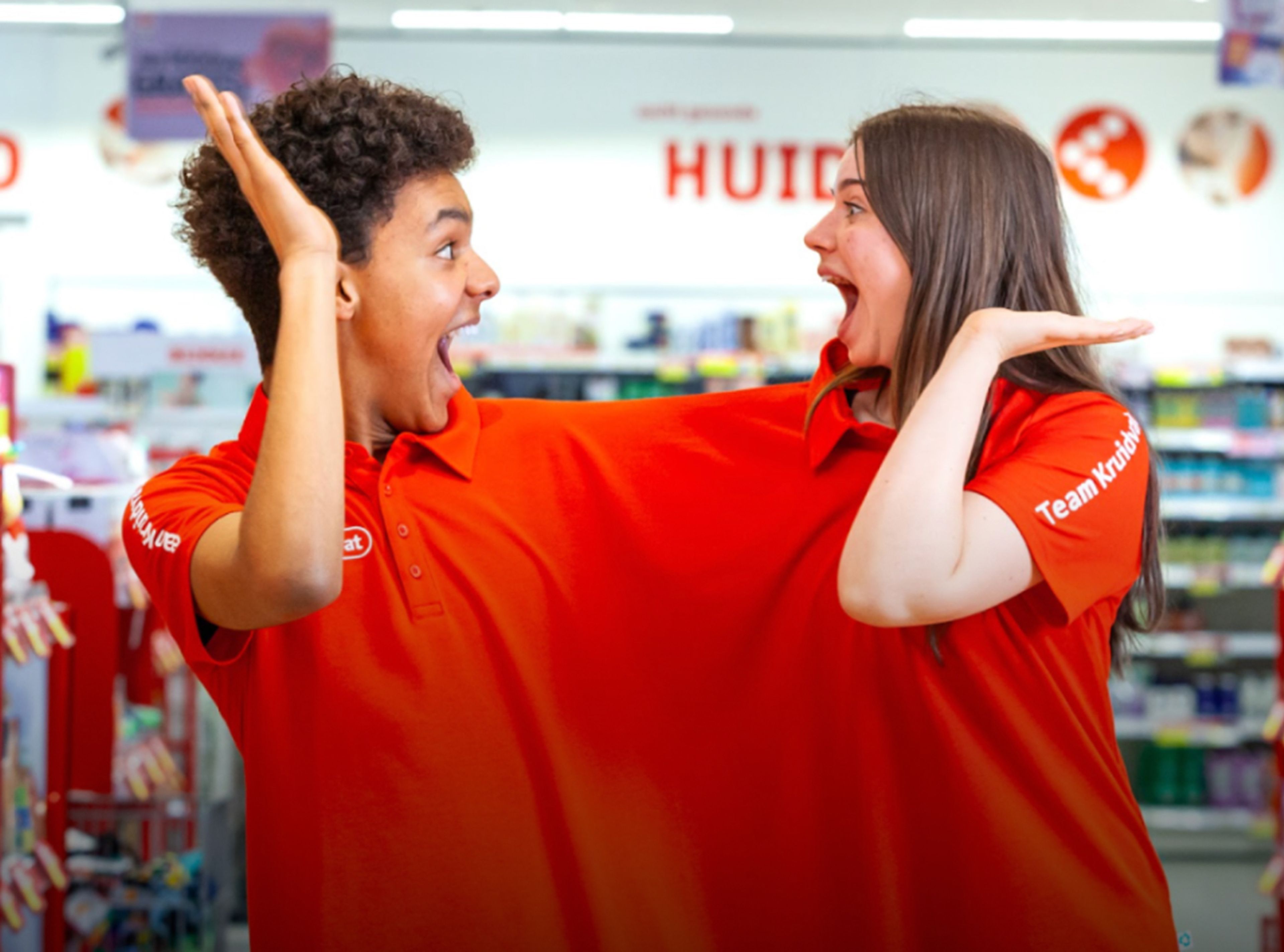
A strong example of this approach in practice is our work on the Kruidvat Vriendenteam campaign. We flipped the recruitment logic entirely: instead of addressing candidates individually, we invited them to apply together with a friend. That matches how Gen Z thinks about work, as something that belongs to their life, not something separate from it.

Platforms and distribution

Gen Z uses TikTok, Instagram Reels, and YouTube Shorts as a search engine. They search for 'working at [brand]' or 'day in the life [role]' the same way older generations used Google.

That means your recruitment marketing content needs to be discoverable on those platforms, not just on your website or LinkedIn. A working-at website still matters as a conversion point, but discovery happens elsewhere.

Distribution also demands consistency. One well-produced campaign video per year isn't enough. You need a steady flow of smaller, regular content. That requires a different way of working: less perfection, more frequency.

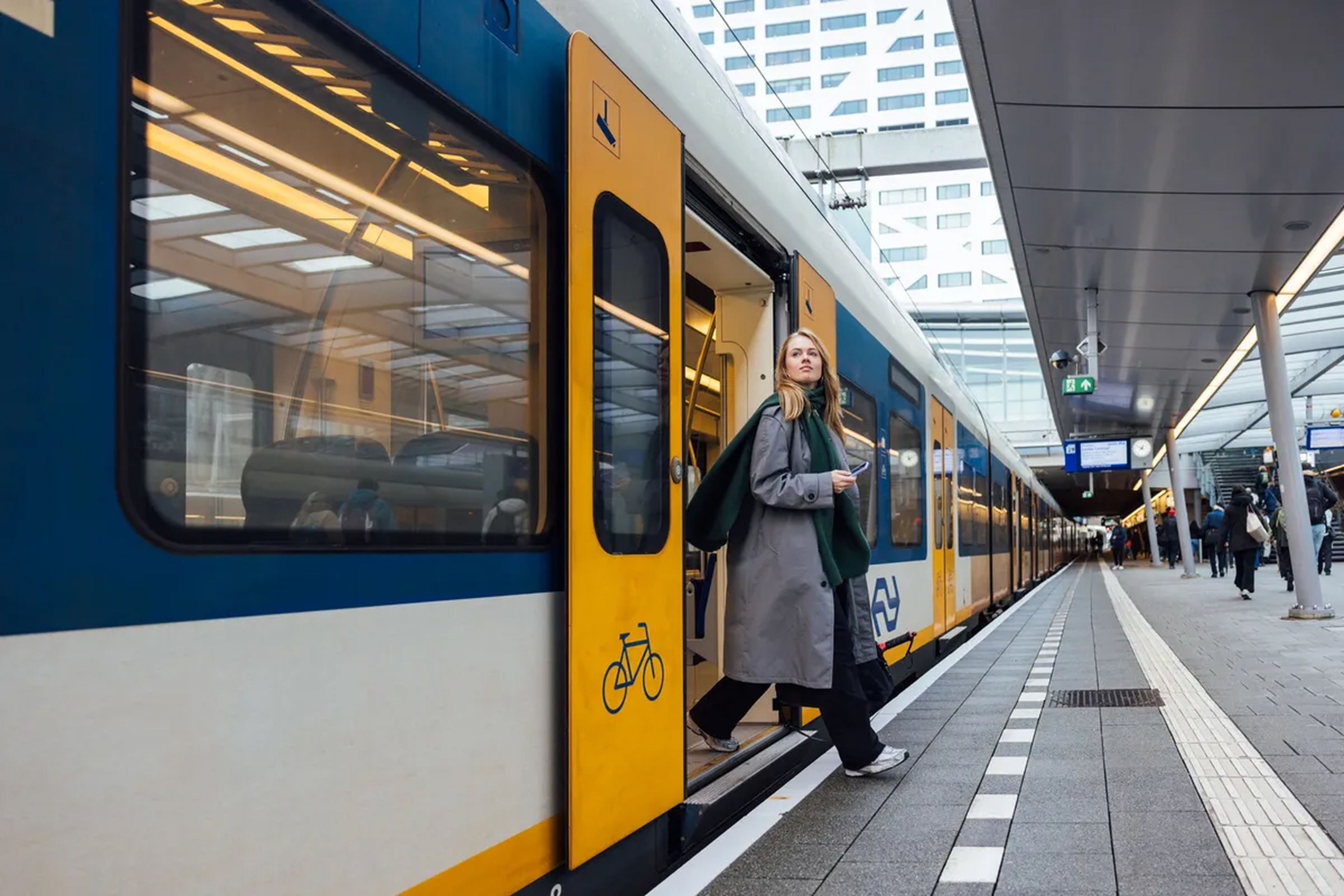
For 9292, we produced platform-native social content built specifically for TikTok in terms of format, tone, and pacing. That same thinking applies directly to employer branding: not advertising content that happens to live on TikTok, but content that belongs there.

The working-at platform as anchor

All that social content needs somewhere to land. A working-at platform that resonates with Gen Z isn't purely functional. It tells a story. It creates a feeling. It gives employees the main voice.

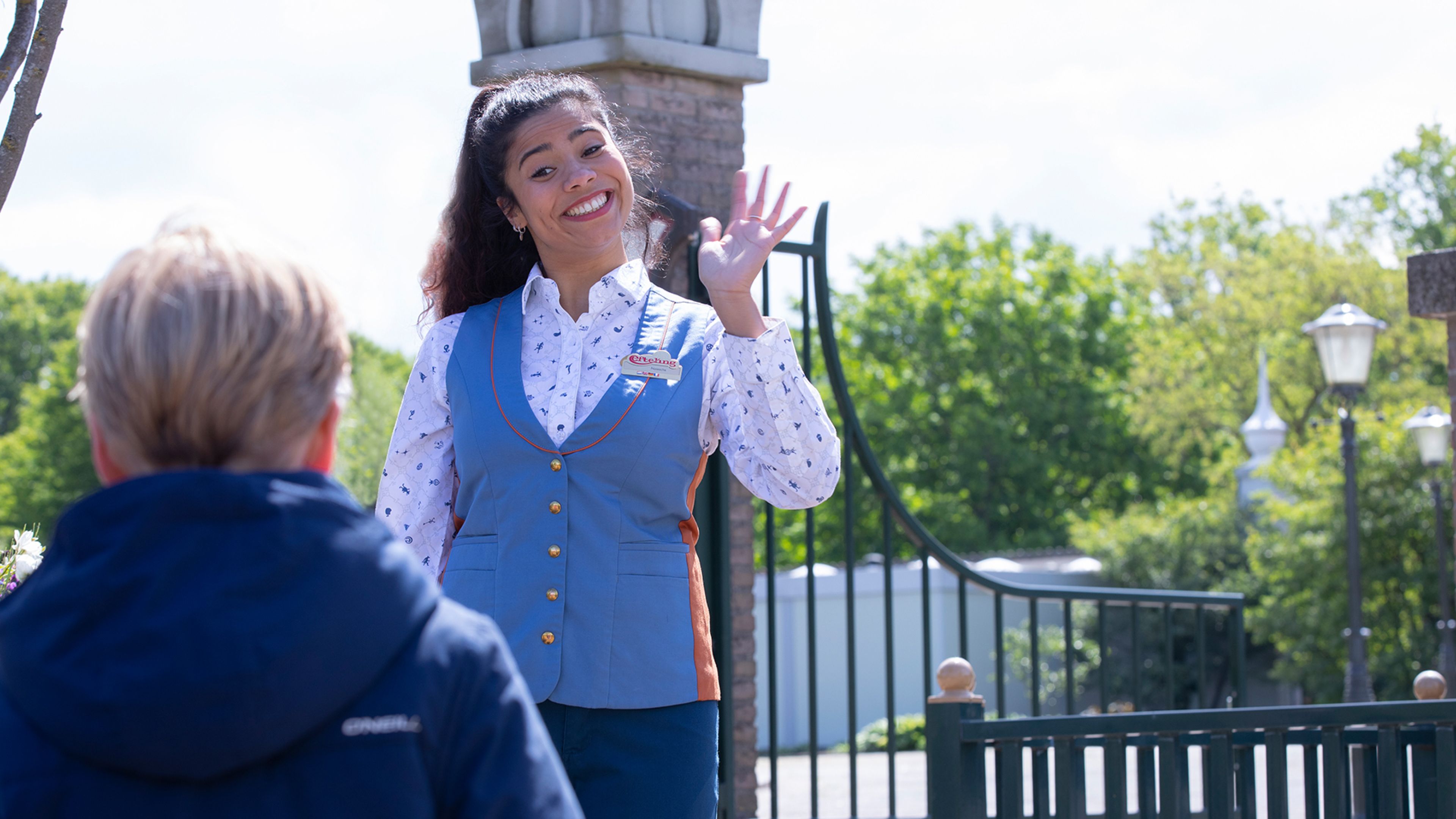
The Efteling Recruitment Platform we built is a good example. Candidates could explore roles through real employee stories. The platform was designed to convey what working at Efteling actually feels like, not just to display vacancies.

The structure of a platform like this follows the candidate journey. Someone arriving for the first time via a TikTok video has different questions than someone who's already had an interview. Good employer branding accounts for those stages and meets each one with the right information, in the right tone.

73%of Gen Z candidates research employers on social media before applying
3xhigher click-through rate for employee-generated video vs produced campaign content
60%of younger candidates drop off when content tone doesn't match the actual company culture

Preboarding as an extension of your brand promise

An underestimated part of the Gen Z recruitment experience is what happens after the offer. The gap between signing a contract and starting the job is critical. Gen Z has a higher no-show rate than previous generations. They accept an offer, but if they hear nothing and see nothing in that window, the connection fades.

Pre-boarding tools close that gap. They give new hires something concrete: information about their team, a sense of the culture, practical preparation for day one. They extend the promise your recruitment content already made.

For Trekpleister, we built a digital preboarding journey that connected new employees to the company and their role before they'd even walked through the door. That kind of investment reduces early dropout and improves the likelihood someone is still engaged after their first month.

What you can do now

You don't need to launch a full TikTok channel tomorrow. But you can start with small steps:

  1. Ask five employees to describe their job in one minute. Film it, no script.
  2. Look at your current careers page through the eyes of a 22-year-old. What's missing? What rings false?
  3. Search TikTok for 'working at [your sector]'. What are candidates finding about your competitors? What do you see that you could also make?

Adapting to Gen Z isn't about trying harder. It's about being more honest.

Livewall

Want to build recruitment content that actually reaches Gen Z?

At Livewall, we combine employer brand strategy with platform-native content and digital products that strengthen the candidate journey, from first discovery to day one.

Get in touch with our team

What we do

Livewall builds brand experiences that people actually remember — interactive campaigns, loyalty platforms, digital products, and employer branding for ambitious brands.

Our work

We've worked with HEMA, Stabilo, Wehkamp, Efteling, 9292 and many others. Every project starts with the same question: what would make someone actually want to do this?

Talk to us

Working on something similar? We'd love to hear about it.

Contact Livewall →