


livewall
← All articles
Engagement22 January 2026·Livewall

Second-screen engagement: designing for live moments

Sport events, TV shows, and live concerts create windows of intense audience attention. Here is how to design digital experiences that meet audiences in those moments.

campaignssocial-mediaentertainment

While millions of people watch the same event, most of them have a phone in their hand. They are tweeting, voting, quizzing, predicting, or sharing their reaction. That second screen is not competing with the main screen. It is an extension of it.

Brands and media companies that understand this build experiences that tap into the right moment. The attention is already there. You do not need to capture it. You just need to meet it.

At Livewall, we design these kinds of live experiences regularly: digital activations that coincide with a broadcast, a performance, or a match. We have seen what works and what does not. Here is what we have learned.

Livewall perspective

The attention is already there. You do not need to capture it. You just need to meet it.

The window is narrow

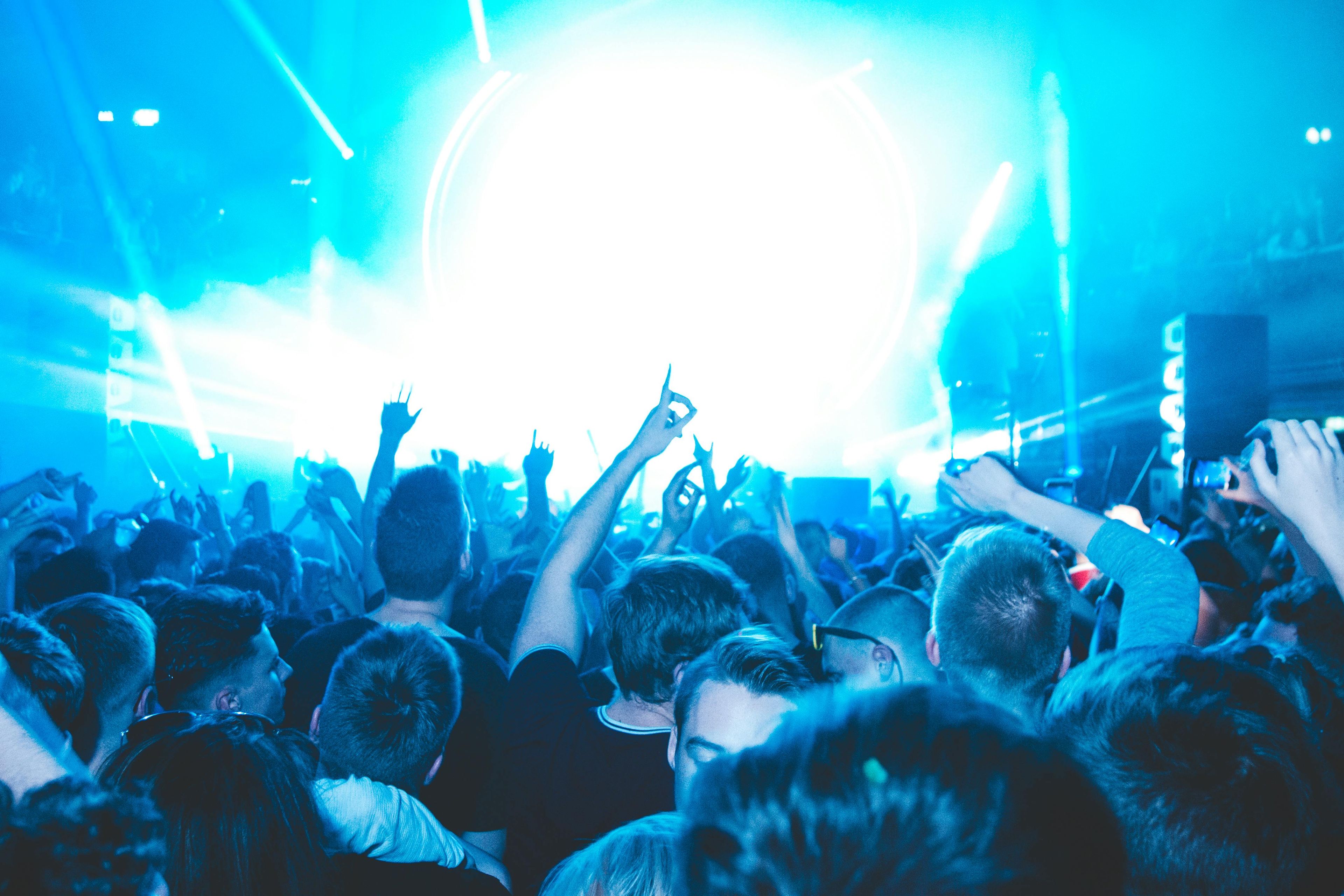
A live moment rarely lasts longer than a few hours. A concert finale, a voting round on a TV show, the closing phase of a match. Within that window, the emotional involvement of the audience is at its peak.

This has direct consequences for your design. An interactive campaign built for a live moment must load instantly, give immediate feedback, and require zero explanation. Users in the middle of a show do not read instructions. They tap on something or they do not.

The barrier to entry must be low enough that someone with one hand, phone in the other, noise of the TV in the background, can participate immediately. Every extra step costs you participants.

AvroTros Eurovision Songfestival Voting App

The AvroTros Eurovision app let 141,000 users vote live, form friend groups, and compete in quizzes — reaching number one in the App Store.

Synchronisation is the core requirement

The defining difference between a standard campaign and a second-screen experience is timing. A regular brand activation stands on its own. A second-screen experience is dependent on what is happening simultaneously on the main screen.

That creates real technical requirements. Think about:

  • Live feed integration — the experience responds to what is actually happening, not a fixed timeline
  • Real-time scoring — participants see their own performance alongside others, immediately
  • Push triggers — notifications sent at precisely the right moment, not an hour later

For the Martin Garrix Dream Team campaign, we built a synchronised experience that went live in 14 countries simultaneously, with deep Spotify API integration and viral share cards. Timing was fundamental there, not a nice-to-have.

Music and sport are the strongest contexts

Not every live moment lends itself equally well to second-screen engagement. Music and sport are the two strongest contexts, and that is not a coincidence.

In sport, audiences already have a habit of reacting, predicting, and discussing while the game is happening. Football fans look up stats, tweet about the lineup, and compare views with friends. A gamified activation that connects to that behaviour has very little convincing to do.

In music, the emotional connection is often even stronger, but shorter and more intense. An album release, a live performance, a headline moment. These are windows of minutes, not hours. Your design has to respect that.

The Heineken Player 0.0 with Max Verstappen campaign tapped into exactly that sporting context. F1 fans are already hyper-engaged around a Grand Prix weekend. The campaign gave that engagement a home inside the brand.

141kusers voted live via the Eurovision app
14countries live simultaneously in the Martin Garrix campaign
#1in the App Store during the Eurovision Song Contest

Design for the edges of attention

Even when someone is watching, their attention is split. They are following the main screen, chatting with friends, reacting to what is happening in the room. Second-screen engagement competes for attention that is already divided.

That means visual hierarchy must be clear. Large touch targets. Immediate feedback. Animations that communicate quickly rather than explain. The experience needs to be understood on a small screen, in a lit room, while something else plays out.

What we consistently apply at Livewall: one action per moment. Not a screen full of options, but one clear question or interaction that fits the moment. Vote for the best act. Predict the final score. Share your reaction. One thing, fast, with immediate result.

The Feyenoord Play by Unive campaign worked this way. Fans could participate during matches through simple, fast interactions that matched the energy of the game.

First-party data as a byproduct

A well-designed second-screen experience generates valuable data, almost as a byproduct. Who participated, when, for how long, and what choices they made.

That is useful input for smarter audience engagement campaigns going forward: which segments are most active during live sport events? Which questions generate the most interaction? Which share moment drives the highest viral spread?

The condition is that you design the data structure upfront, not after the fact. Which events do you want to measure? Which user signals matter? These are questions you answer before the first pixel is built.

Using first-party data mechanics inside a live experience is one of the most effective ways to build a rich audience profile without relying on third-party data sources.

Livewall

Ready to build for a live moment?

At Livewall, we build digital experiences that meet your audience when their attention is already at its peak. From live voting apps to synchronised fan activations. Tell us about your event.

Get in touch with our team

What we do

Livewall builds brand experiences that people actually remember — interactive campaigns, loyalty platforms, digital products, and employer branding for ambitious brands.

Our work

We've worked with HEMA, Stabilo, Wehkamp, Efteling, 9292 and many others. Every project starts with the same question: what would make someone actually want to do this?

Talk to us

Working on something similar? We'd love to hear about it.

Contact Livewall →