


livewall
← All articles
Employee Experience9 February 2026·Livewall

How to use video storytelling in employer branding

Employee stories are the most credible content in any employer brand toolkit. Here is how to produce and distribute video content that shows your culture without feeling scripted.

employer-brandingcampaignssocial-media

Most employer brand campaigns do not fail because of a lack of budget or creative ambition. They fail because they look too managed. A carefully scripted employee saying how great the company is convinces nobody. Least of all the candidates you actually want to reach.

Video storytelling works when it shows people how things actually are. Not how you want to be perceived. That sounds simple, but it demands a different approach at every stage, from production to distribution.

At Livewall, we build employer brand campaigns for organisations across retail, tech, entertainment, and professional services. What we see consistently: the videos that perform best are never the most polished. They are the most real.
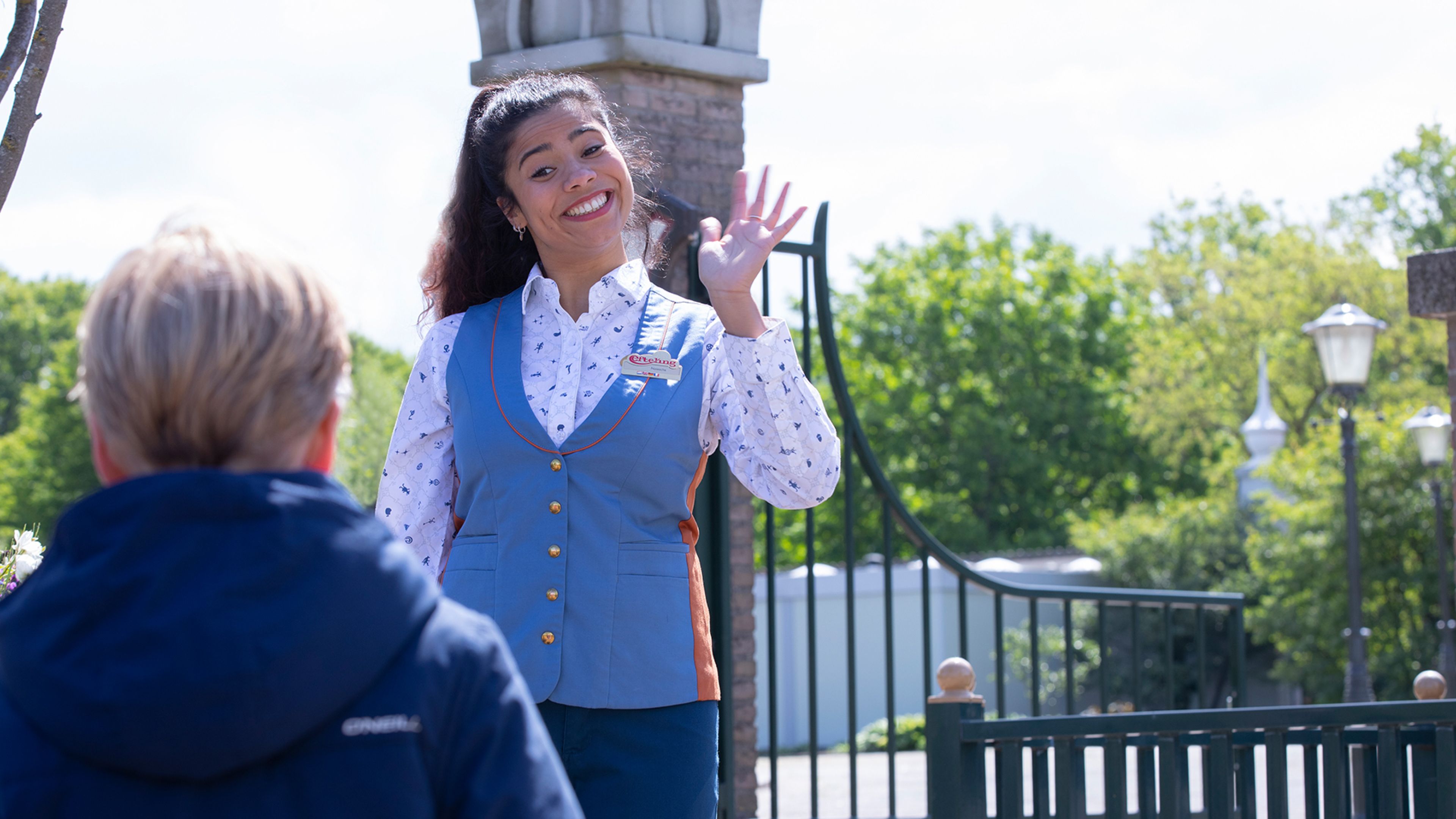
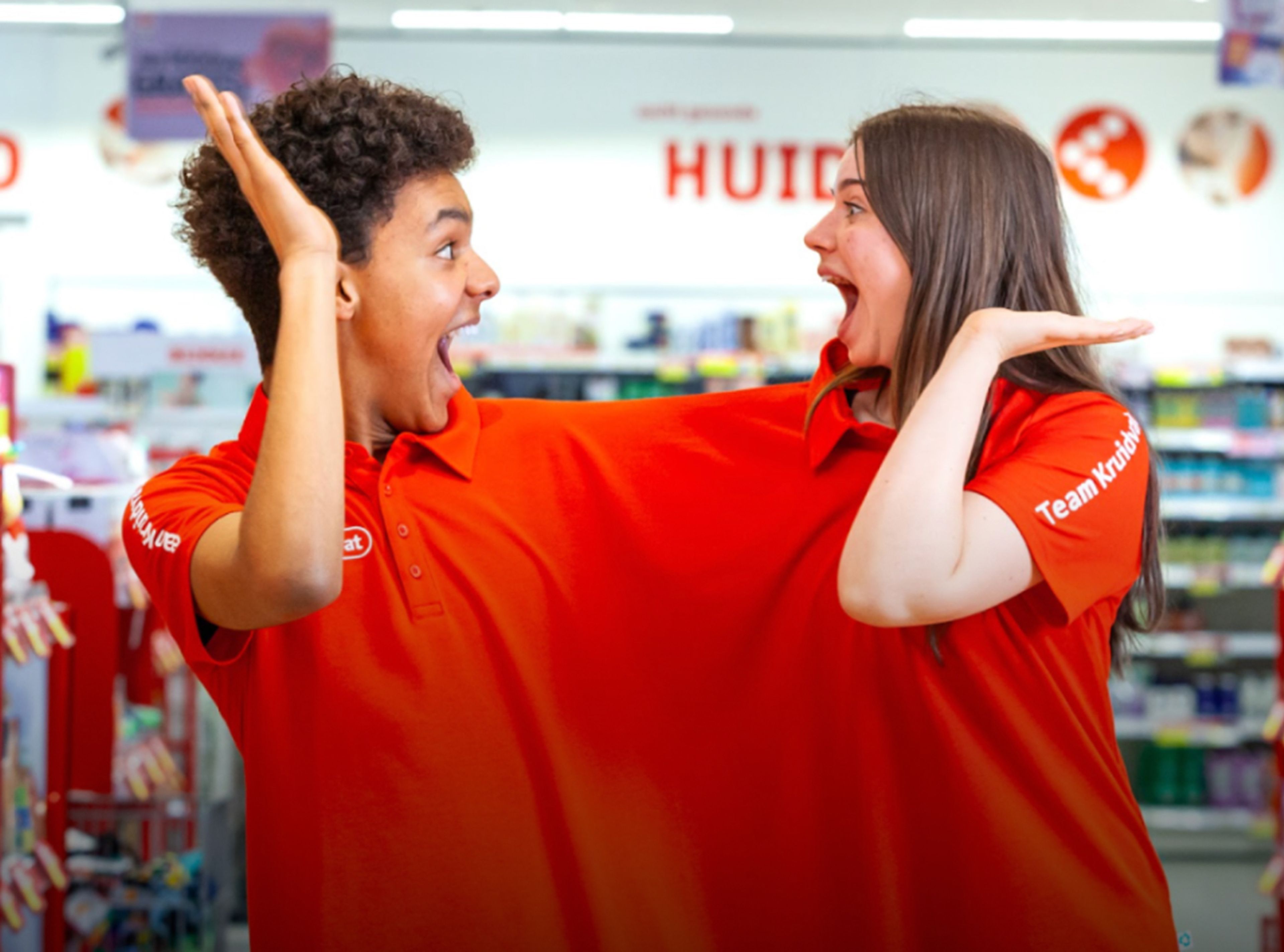
For Bosch, we built a campaign that brought employee stories to the forefront, showing the range of careers and what drives people beyond their job title.

Authenticity is not a style choice, it is a strategy

Candidates are good at spotting corporate video. They know when someone is reciting lines. They see it in the eyes, in the posture, in sentences that are too smooth.

This does not mean lowering production quality. It means approaching the recording environment differently. Give employees a question, not a script. Keep the setting real rather than artificially tidy. Leave room for them to pause and think.

The best employer brand videos feel like a conversation you happened to overhear, not an ad you had to sit through.

Which stories actually work?

Not every employee story translates into effective video content. The stories that work are concrete, specific, and anchored to a real moment.

Strong: "I thought I would be here for two years. That was seven years ago and I genuinely cannot pinpoint when I stopped thinking about leaving."

Weak: "It is a place where people really listen to you and there are a lot of growth opportunities."

The difference is specificity. Vague claims build no trust. Concrete moments do. Invest time in a proper briefing conversation with employees before the camera goes on. Ask about real memories, not general descriptions of the company culture.

Livewall perspective

The videos that perform best are never the most polished. They are the most real.

Format follows channel

A video that works on LinkedIn rarely works on TikTok. And a video that works on TikTok almost certainly does not belong on your working-at page. This is not a trivial point. Many employer brand campaigns produce one video and attempt to deploy it everywhere.

Think per channel:

Working-at page: longer, deeper formats. Candidates who land here are already interested. They want more. A two-to-four minute video with an employee filmed on location works well here.

LinkedIn: mid-length formats of 45 to 90 seconds. Subtitles are non-negotiable because most people watch without sound. Open with a strong first line because the feed shows no mercy.

Instagram Reels and TikTok: short, fast formats of 15 to 30 seconds. No logo animation at the start. No lengthy introductions. Start directly with the moment.

Social-native content requires a different mindset than branded video. At Livewall, we build content for the platform, not content that gets adapted to the platform afterwards. That difference shows in performance.

Production: small team, strong output

You do not need a large film production team to produce strong employer brand video. What you do need is thorough preparation, a careful selection of employees, and a director who can put people at ease.

An efficient approach for an employer brand video series:

  1. Select 6 to 8 employees from different roles, seniority levels, and backgrounds. Diversity in stories matters more than diversity for its own sake.
  2. Allocate one hour per employee, including a 20-minute warm-up conversation before filming begins. This conversation is not a pre-interview, it is a way to relax the person and surface their strongest story.
  3. Film on location, not in a meeting room with a white wall. The environment provides context and immediately makes the video more credible.
  4. Edit for multiple formats from the same footage. One production day yields material for the working-at page, LinkedIn, Instagram, and internal communications.

Schedule production around real work moments. An employee doing something while talking is always more compelling than someone looking directly into a camera.

3xhigher click-through rate for video content compared to text ads in recruitment campaigns
72%of candidates say employee stories are the most trustworthy source when choosing an employer
40%lower early dropout among new hires who joined through authentic employer brand campaigns

Distribution is not an afterthought

A strong video that nobody sees has no value. Distribution deserves as much attention as production.

Most employer brand teams spend ninety percent of their time and budget on production and ten percent on distribution. That ratio needs to change.

A few principles we apply at Livewall:

Paid media for reach, earned media for credibility. Use paid social ads to get your videos in front of the right audience. But let employees share organically. Content shared by real people is always more credible than a sponsored post.

Retargeting for follow-through. Someone who has watched more than fifty percent of your video has shown intent. Retarget those people with the next step: a deeper story, a job overview, an invitation to apply.

Use video internally too. Employer brand content aimed only outward misses an opportunity. Existing employees who recognise themselves in a well-made campaign become ambassadors without being asked.

Measuring what matters

Views are a vanity metric for employer brand video. What you need to know is whether the right people are watching, whether they take the intended next step, and whether the quality of applicants improves.

The KPIs that actually matter:

  • Watch time and completion rate: the percentage of people who watch the video in full. This tells you more about content quality than total view count.
  • Click-to-application rate: how many people click through from video content to an open role or application form?
  • Candidate quality: are the people arriving through this campaign a better fit for the role and the culture? This is harder to measure but the most valuable indicator.
  • Platform-specific engagement: likes and comments say little, but saves and shares do. Those are signals of genuine interest.

At Livewall, we always connect campaign performance back to the broader employer brand strategy. A video with strong view counts but the wrong applicants is not a success.

Livewall

Want to use video storytelling in your employer brand?

At Livewall, we design employer brand campaigns that show your culture rather than just describing it. From strategy and production to distribution and measurement, we run the full process.

Get in touch with our team

What we do

Livewall builds brand experiences that people actually remember — interactive campaigns, loyalty platforms, digital products, and employer branding for ambitious brands.

Our work

We've worked with HEMA, Stabilo, Wehkamp, Efteling, 9292 and many others. Every project starts with the same question: what would make someone actually want to do this?

Talk to us

Working on something similar? We'd love to hear about it.

Contact Livewall →