


livewall
← All articles
Employee Experience26 January 2026·Livewall

How to use employee stories in recruitment without making them feel staged

Employee stories are the most credible content in any recruitment campaign. They also have the highest risk of feeling fake. Here is how to brief and produce them authentically.

employer-brandinghr-techsocial-media

Candidates see through it immediately. An employee staring straight at the camera, listing reasons why the company is a great place to work, does the opposite of what you intended. It reads as scripted. Because it is.

And yet employee stories remain the highest-performing content in employer brand campaigns. They convert better than company videos, they get shared more often, and they build more trust than almost any other form of recruitment communication. The difference between a story that works and one that falls flat is not the employee. It is how you set up the brief and how you produce the content.

At Livewall, we build employer branding experiences for brands across retail, tech, and services. What we've found consistently: the most powerful employee stories do not come from a polished script. They come from asking the right question at the right moment.
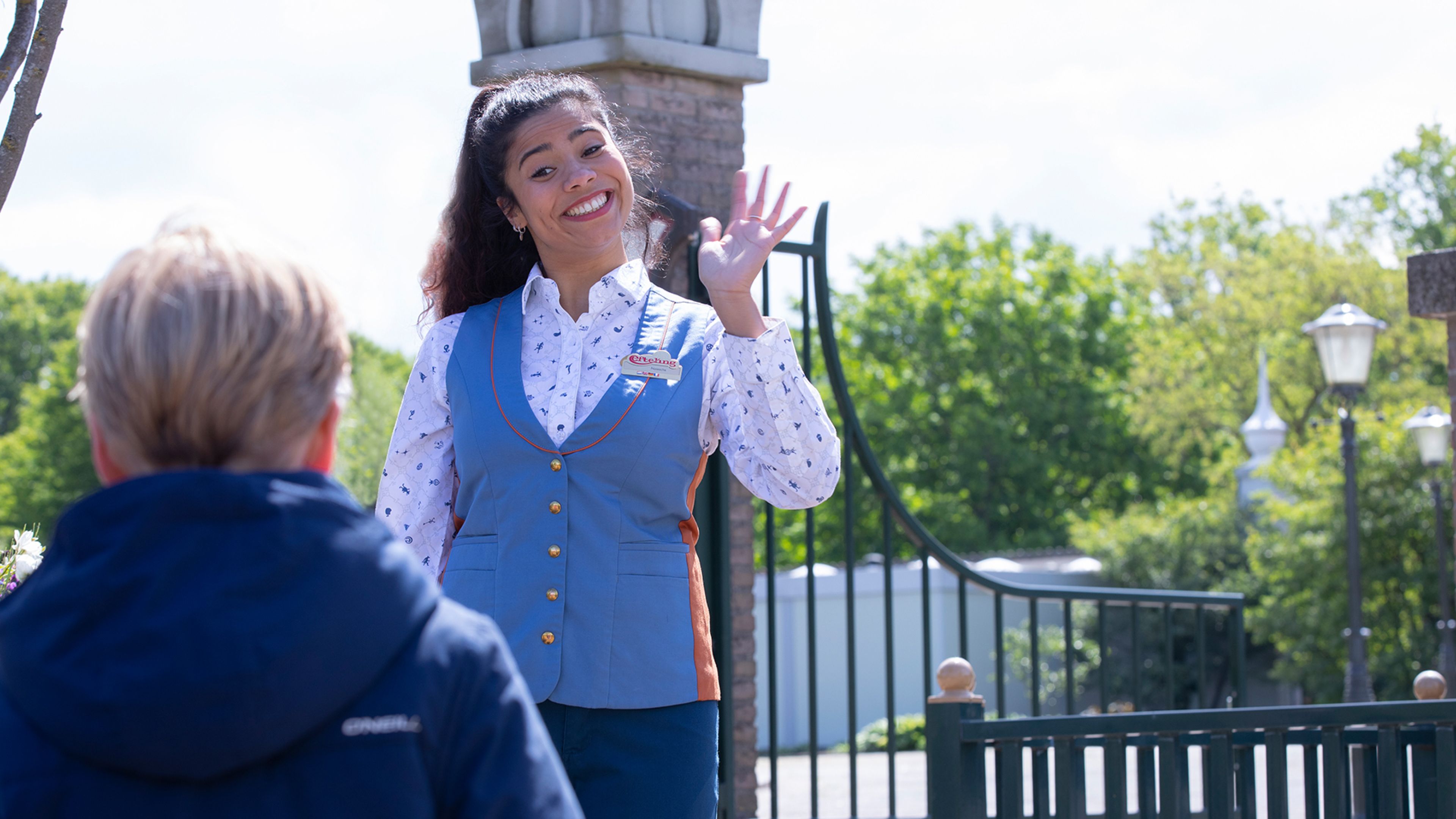

Efteling employer branding recruitment platform showing employee stories

For Efteling, we built a recruitment platform where real employee stories sit at the heart of the candidate journey.

Why staged content fails

Most forced employee stories are not the result of poor delivery. They are the result of a flawed briefing process.

Common mistakes:

Giving the employee a script. Or worse: a list of brand values to work in. Nobody speaks that way. Candidates recognise that language as marketing copy immediately.

Treating it like a commercial shoot. Professional lighting, a makeup artist, two hours of filming for sixty seconds of content. The employee is nervous before the camera even rolls, and that tension shows up on screen.

Making the story about the company, not the person. 'I work here because we create real impact together' says nothing. 'I work here because my manager gave me the chance to build something from scratch three years ago' says everything.

The core problem is that most recruitment campaigns try to control the message. That instinct is understandable, but it is counterproductive. You cannot control authenticity. You can only create the conditions for it.

Livewall perspective

You cannot control authenticity. You can only create the conditions for it.

How to write a brief that actually works

A good employee story does not start in front of a camera. It starts with who you ask and how you have the conversation.

Select for story, not for presentation skills. The most articulate employee does not always have the most compelling story. Look for people with a real career shift, an unexpected challenge, or a specific moment that changed how they thought about the role. Those kinds of stories carry themselves.

Use a conversation format, not a questionnaire. Schedule a twenty-minute pre-conversation with no camera. Ask open questions: what did you think this job would be before you started? What surprised you most? When did you know this was the right move? Listen for the sentences that stand out. Those sentences are your content.

Brief on a theme, not a message. Give the employee a theme (tell us about your first year) rather than a message (explain why we are a good employer). The first leads to a personal story. The second leads to an advertisement.

Reduce production pressure. A phone camera, natural light, and a quiet space sometimes produces better results than a full-scale shoot. Not always, but more often than most teams expect. Especially for social content. The signal that something is real often lives in small imperfections.

The role of the platform

Employee stories work best when they are part of a connected candidate journey, not isolated content pieces.

A well-designed working-at website gives employee stories context. Candidates who watch or read a story want to know more afterwards. They want to know whether someone with a similar background also works there. They want to understand what the first year actually looks like. A platform that answers those questions converts better than one that only shows job listings.

How you present stories matters too. A vivid quote above a job description is different from a three-minute video buried five pages deep. Shorter formats, specific contexts, and multiple voices reinforce each other. A candidate who encounters four different people talking about four different aspects of the same role gets a far more credible picture than a single polished company profile.

Social media: same principle, different format

The same rules apply to social, but the execution is different. Shorter, more direct, less context. An employee who shares one concrete thing about their work in thirty seconds performs better on TikTok and Instagram Reels than a polished four-minute video.

Formats that work consistently:

  • Day-in-the-life content: real routines, not the ideal version of them
  • Answering a specific question: 'What would you tell yourself on your first day?' or 'What did you not know about this job before you started?'
  • Two colleagues in the same frame: the dynamic between people says more about culture than any statement about teamwork

The recruitment campaigns that perform best on both reach and candidate quality are the ones employees actively share. They only share it when they recognise themselves in it.

3xmore reach when employees share content themselves
72%of candidates say employee stories influence their decision to apply
60%higher candidate quality in campaigns built on authentic storytelling

What not to do

A few patterns we see repeatedly that consistently fail:

Having everyone tell the same story. If all your employees name the same values in the same order, it is a script. Candidates hear the difference.

Showing only the happy path. If someone tells you the work is always enjoyable and the colleagues are always wonderful, nobody believes it. Honesty about what is hard makes the positive parts more credible.

Running the video through five rounds of approval. Every round of feedback sands off the edges that made the story interesting in the first place. Set clear parameters upfront, then let go.

Chasing production value over truth. A low-lit selfie video where an employee says something honest and specific can outperform a high-budget campaign video on social. Production value does not create trust. Specificity does.

At Livewall, we've learned that the strongest employer brand campaigns are not the ones with the highest production budgets. They are the ones where employees understand why they are involved, and it comes through in every frame.

Livewall

Employee stories that candidates actually believe

Whether you are building a new platform, running a social campaign, or rethinking how you tell your employer story, Livewall can help you collect, produce, and distribute employee stories in a way that builds real candidate trust.

Get in touch with our team

What we do

Livewall builds brand experiences that people actually remember — interactive campaigns, loyalty platforms, digital products, and employer branding for ambitious brands.

Our work

We've worked with HEMA, Stabilo, Wehkamp, Efteling, 9292 and many others. Every project starts with the same question: what would make someone actually want to do this?

Talk to us

Working on something similar? We'd love to hear about it.

Contact Livewall →