

livewall
← All articles
Employee Experience2 February 2026·Livewall

Employee referral programmes: how to make staff genuinely want to refer

Most employee referral schemes have low participation because the incentive is misaligned with what motivates staff. Here is how to design referral mechanics that actually get used.

employer-brandingreferralhr-tech

Employee referral programmes have existed as long as hiring itself. The logic is sound: your own people know people who would be a good fit. And yet most referral schemes limp along. A handful of repeat participants collect the bonuses. The rest of the workforce ignores the intranet link entirely.

The problem is rarely the concept. It is the design.

At Livewall, we work on employee experience for brands across retail, entertainment, and FMCG. We see the same pattern play out over and over. Organisations treat employee referral as an HR operation rather than a brand moment. They set a cash reward, post a link, and wait. It does not work.

Livewall perspective

A cash bonus gets someone to click. But it is pride and belonging that make someone willing to attach their name to a candidate.

Why financial incentives alone fall short

A five hundred or thousand euro referral bonus sounds appealing. But in practice, participation rarely scales with the size of the reward. What it scales with is trust.

When someone refers a friend, they put their own reputation on the line. If that friend gets a disappointing onboarding, lands under a difficult manager, or leaves within three months, the person who made the referral feels responsible. That reputational risk outweighs most bonus values.

This is why referral programmes work best at organisations where employees are genuinely enthusiastic, not just satisfied enough to stay. That is a fundamentally different bar. And it means the programme starts with the work experience, not the communications campaign.

There is a second failure mode for purely financial incentives. They create the wrong mindset. Staff start scanning their contacts for anyone who might qualify for the bonus, rather than for people who would actually thrive in the role. That leads to mismatches and frustration on both sides.

What the best referral programmes share

The schemes that generate consistent, genuine participation have a few things in common.

They make pride visible. Instead of a bonus as the sole driver, they give employees a way to signal that they are part of something worth joining. That could be a personalised referral link, a shareable visual, or a campaign where the employee has a visible role. The mechanic is about identity, not transaction.

They reduce friction to near zero. A good programme makes referring someone a three-second action. No multi-step forms, no email threads with HR. Copy a link, send a message, done. Every extra step cuts participation significantly.

They keep the referrer informed. One of the most consistent frustrations for people who refer someone: they hear nothing afterwards. The candidate disappears. Closing that loop, with simple status updates, not only respects the referrer but reinforces the idea that their action mattered.

They build on a strong work experience. Employer branding starts from the inside out. Employees who had a good onboarding, who felt welcomed before day one, who were given clarity about their role: these are the people who later recommend the organisation to others, without being asked.

45%of employees hired through referrals stay longer than two years
higher conversion from application to hire via referrals
55%lower cost per hire through well-designed referral programmes

The role of preboarding and onboarding

Employees who had a strong start are the most credible advocates for future candidates. That sounds obvious, but the implications go further than most organisations act on.

When someone receives a personal welcome before their first day, already knows what their team looks like, and has already told people in their network what they are about to do, their relationship with the brand begins differently. Those people are willing to put their name behind the employer.

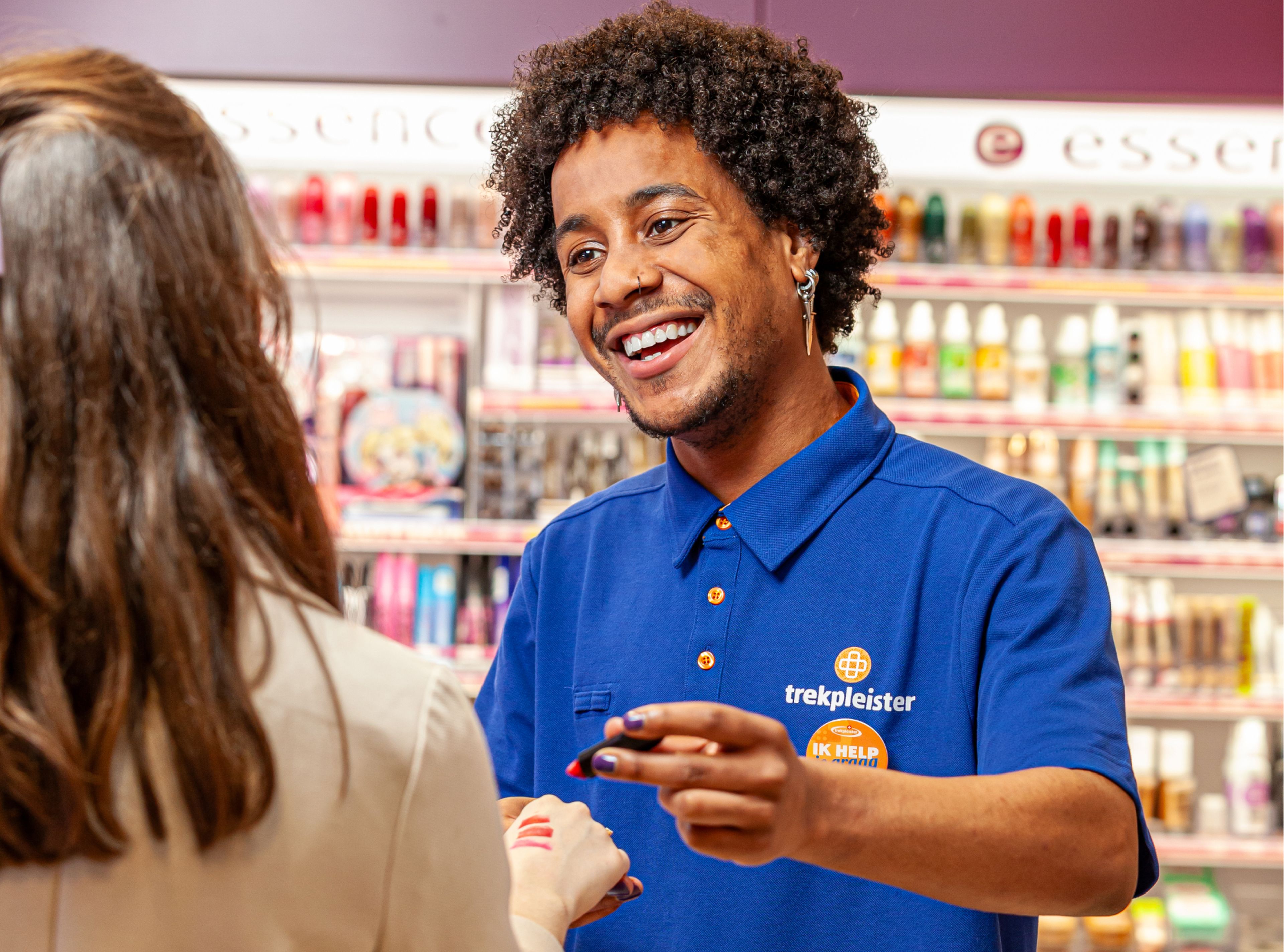
We see this in projects like Trekpleister Preboarding and Kruidvat Preboarding: a strong start before day one changes how people relate to the brand. And that carries through to how they talk about it later.

Pre-boarding tools are therefore not just an onboarding solution. They are an investment in the quality of the brand ambassadors you will have twelve months from now.

Trekpleister preboarding platform showing new employees their work environment before their first day

At Trekpleister, brand connection begins before day one through a personal preboarding platform.

Gamification and employee advocacy programs: use it carefully

Some organisations try to boost referral participation by adding points, badges, and leaderboards. This can work, but it can also backfire.

Gamification works when it amplifies the underlying motivation: pride, community feeling, enjoyment. It does not work when it replaces intrinsic motivation with competition. A leaderboard showing who referred the most candidates creates pressure, not engagement.

The smartest use of game mechanics in referral programmes focuses on the candidate journey itself. Make applying enjoyable for the candidate coming in through an employee referral. Give the referring employee a personalised introduction they can share. Make the act of referring feel like a moment worth pausing on, not a form to fill in.

This is precisely the kind of recruitment campaign that Livewall designs: not standard HR communication, but mechanics that reflect how people actually decide to recommend something.

Where to start

A referral programme that works does not begin with communications. It begins with an honest question: are our employees proud enough to attach their name to us?

If the answer is nuanced, that is not a reason to stop. It is a reason to invest internally first. Better preboarding, clearer communication during the first weeks, a work experience that is worth talking about.

Once that foundation is in place, build a programme that makes referring easy, personal, and meaningful. Not an anonymous link with a bonus attached, but a mechanic that fits who you are as an employer.

At Livewall we help brands design the full chain: from the initial work experience to the mechanics that turn employees into genuine advocates for new candidates. An approach that fits the culture and the people of the brand.

Livewall

Employees who refer people because they genuinely want to

At Livewall we design employee experience journeys that start with the work itself. If you want a referral programme that gets used, we are happy to think through what that looks like for your brand.

Get in touch with our team

What we do

Livewall builds brand experiences that people actually remember — interactive campaigns, loyalty platforms, digital products, and employer branding for ambitious brands.

Our work

We've worked with HEMA, Stabilo, Wehkamp, Efteling, 9292 and many others. Every project starts with the same question: what would make someone actually want to do this?

Talk to us

Working on something similar? We'd love to hear about it.

Contact Livewall →