


livewall
← All articles
Employee Experience23 April 2026·Livewall

Candidate experience design: why the application process is your first impression

Candidates judge your culture by your process. A clunky application sends a message about what working there will feel like, even before anyone speaks.

employer-brandinghr-tech

Most organisations invest heavily in their employer brand. Good campaigns, compelling job descriptions, a polished working-at website. Then the application process starts, and everything they built falls apart.

A form with twelve required fields. An automated confirmation email in a generic template. Three weeks of silence. That is not an accident. That is the reality of how most organisations actually receive candidates.

Candidate experience design comes down to something simple: every touchpoint in the hiring process is a signal. It tells the candidate something about how you treat your people. Not in words, but in action. And serious candidates notice.

At Livewall, we design and build working-at websites and recruitment campaigns for organisations that understand the employer brand does not stop at the first click. It lives through every screen, every email, and every moment of waiting.

Livewall perspective

The application process is not an HR procedure. It is a brand experience. And for most candidates, it is the first real evidence of how you treat people.

What candidates are actually judging

Candidates do not evaluate you only on the job description. They evaluate the whole journey: how easy is it to apply, how quickly do you respond, how personal does the communication feel?

Research from IBM found that candidates with a positive application experience were 38% more likely to accept an offer. But the effect extends beyond conversion. Candidates who were rejected but had a good experience continue to view the organisation favourably and talk about it with others.

That is the point most HR teams miss. The experience of rejected candidates is employer branding too. A painful process, poor communication, or a form that feels like a tax return: that story spreads.

The three moments that matter most:

The first touchpoint. The careers page and the application form. Is it clear, inviting, and fast? Or are there twelve fields and a CV upload in a file format no one uses?

Communication in between. How long before candidates hear anything? Is that message generic or personal? Do candidates know where they stand?

The rejection or the offer. How do you handle the people who did not make it this time? A human rejection is an investment in goodwill that compounds over years.

Efteling recruitment platform where candidates explore roles and employee stories

For Efteling, we built an employer branding platform that gives candidates the feeling of already belonging to the world of Efteling.

Friction is not a minor annoyance. It is a message.

When someone struggles with an application form, they draw conclusions. Not about the HR software, but about the organisation. "If this is how they handle this, what is it like to work there?"

Friction in the hiring process comes in many forms. A careers site that does not work on mobile, while ninety percent of your target audience applies via phone. A registration requirement before you can even see a vacancy. Questions that have nothing to do with the role but are marked mandatory. Every one of those moments filters candidates out, but not necessarily the wrong ones.

Good candidate experience design is about identifying those friction points and addressing them systematically. Not by oversimplifying everything to the point of meaninglessness, but by testing every step against one question: does this serve the candidate, or does it only serve our internal processes?

The best candidates, the ones with options, are also the ones with the least tolerance for bad processes. They drop out earlier. And you only notice when the pipeline gets thinner.

38%higher likelihood that candidates with a positive application experience accept an offer
72%of candidates share a negative application experience online or with people in their network
4xmore likely to recommend your organisation even after rejection, if the experience felt fair and personal

Design starts with the audience, not the ATS

Most hiring processes are designed around the HR system, not the candidate. The ATS determines which fields appear, the recruiter determines which steps exist, and the candidate gets whatever is left over.

A candidate experience approach works the other way around. You start with the persona. Who is this person? What do they already know about you? What are their questions and doubts? At what time of day do they apply and on which device?

For retail brands, this means: most applicants are applying via mobile, often in the evening after a shift elsewhere. A form that takes fifteen minutes to complete on a smartphone is simply not going to work.

For technical roles at an engineering company, the picture is different. Candidates making careful decisions want more information. They want to understand the culture, know the development paths, and recognise colleagues.

Candidate experience design makes that translation: from audience to touchpoints, from touchpoints to detail. Interactive recruitment starts with understanding who you are talking to and what they need to say yes.

The experience does not end at the offer

One of the most underestimated parts of candidate experience is what happens after the offer. The window between acceptance and the first working day is one of the highest-risk moments in the whole process. Candidates who said yes receive a counter-offer. They second-guess themselves. They hear nothing and start to wonder whether they made the right call.

That is exactly where preboarding makes the difference. A well-designed preboarding journey extends the positive candidate experience beyond the signature. It keeps the relationship warm, answers practical questions, and starts building belonging before day one.

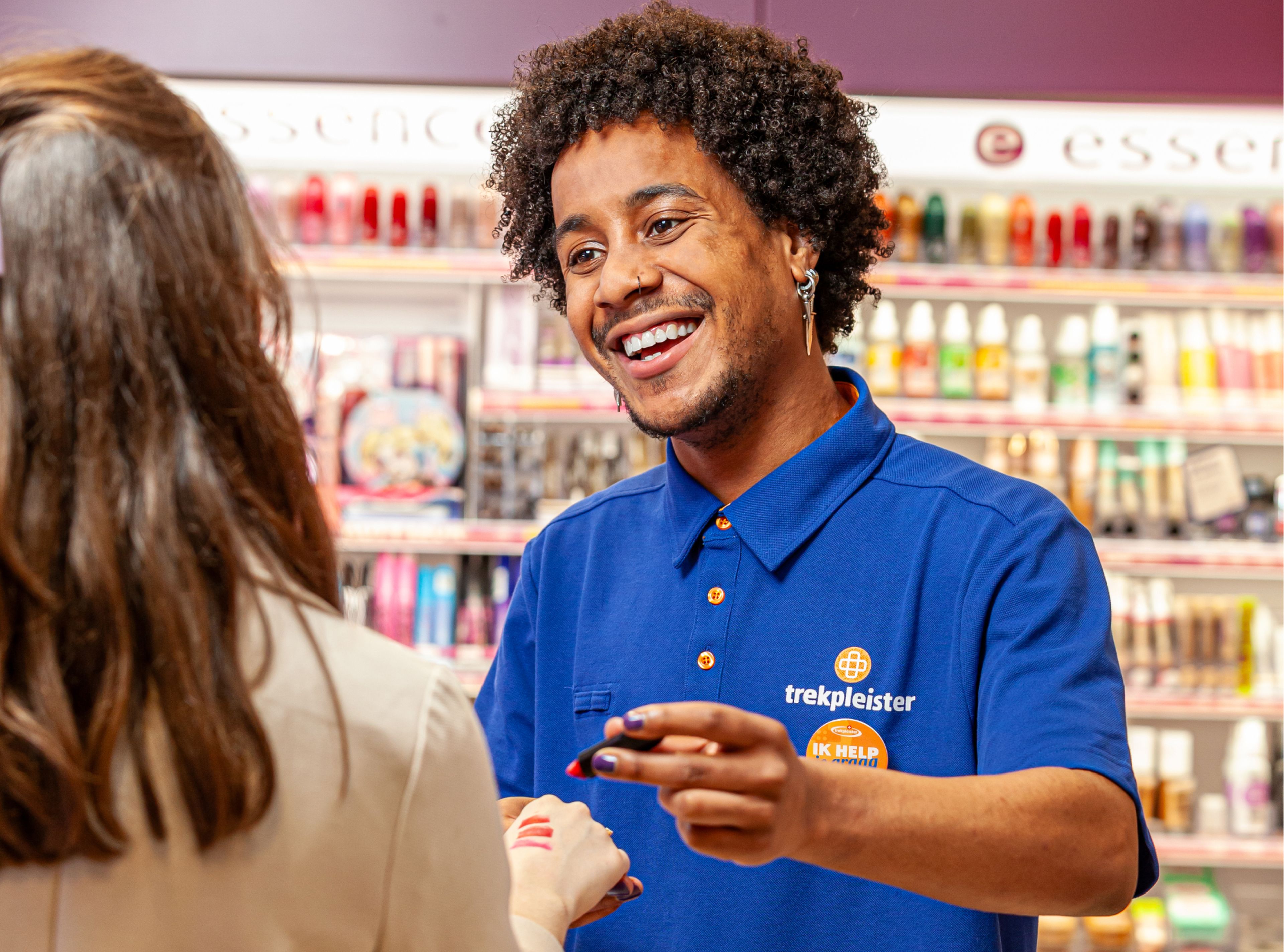
At Livewall, we build pre-boarding tools that connect to the promise the employer made during recruitment. Same visual identity, same tone of voice. The Trekpleister preboarding platform is a clear example: new colleagues explore their role and team before they ever set foot in the store.

Organisations that get this right see less dropout before day one, higher engagement in the first quarter, and better onboarding outcomes. Those are not marginal gains. Every candidate who withdraws after accepting costs, on average, a full month of salary in re-hiring.

Livewall

Want to know where your hiring process is losing candidates?

Livewall designs and builds candidate experiences that match your employer brand promise, from the first click to the first day.

Get in touch with our team

What we do

Livewall builds brand experiences that people actually remember — interactive campaigns, loyalty platforms, digital products, and employer branding for ambitious brands.

Our work

We've worked with HEMA, Stabilo, Wehkamp, Efteling, 9292 and many others. Every project starts with the same question: what would make someone actually want to do this?

Talk to us

Working on something similar? We'd love to hear about it.

Contact Livewall →