


livewall

Open the email, scroll through your own year on Videoland

Videoland in 2022, one subscriber at a time

Videoland is the Dutch video-on-demand service. It asked livewall for an experience that showed subscribers their own viewing year in a way nobody had tried. The answer was interactive storytelling built on first-party data.

Reach

75,000

subscribers received it in the first batch

800,000

further subscribers could claim theirs

4

script versions before the running order worked

Media item 1

What Videoland asked for

The brief was one line: develop an experience that shows user data in an innovative way. Two outcomes had to follow from it. Subscribers should be surprised by something worth looking at, and they should want to share it.

The route to both was to walk each subscriber through their own highlights of 2022. That also matched what Videoland says about itself: whatever was playing in the Netherlands was playing on Videoland.
Media item 1
Media item 2
Media item 3

How the scrollytelling worked

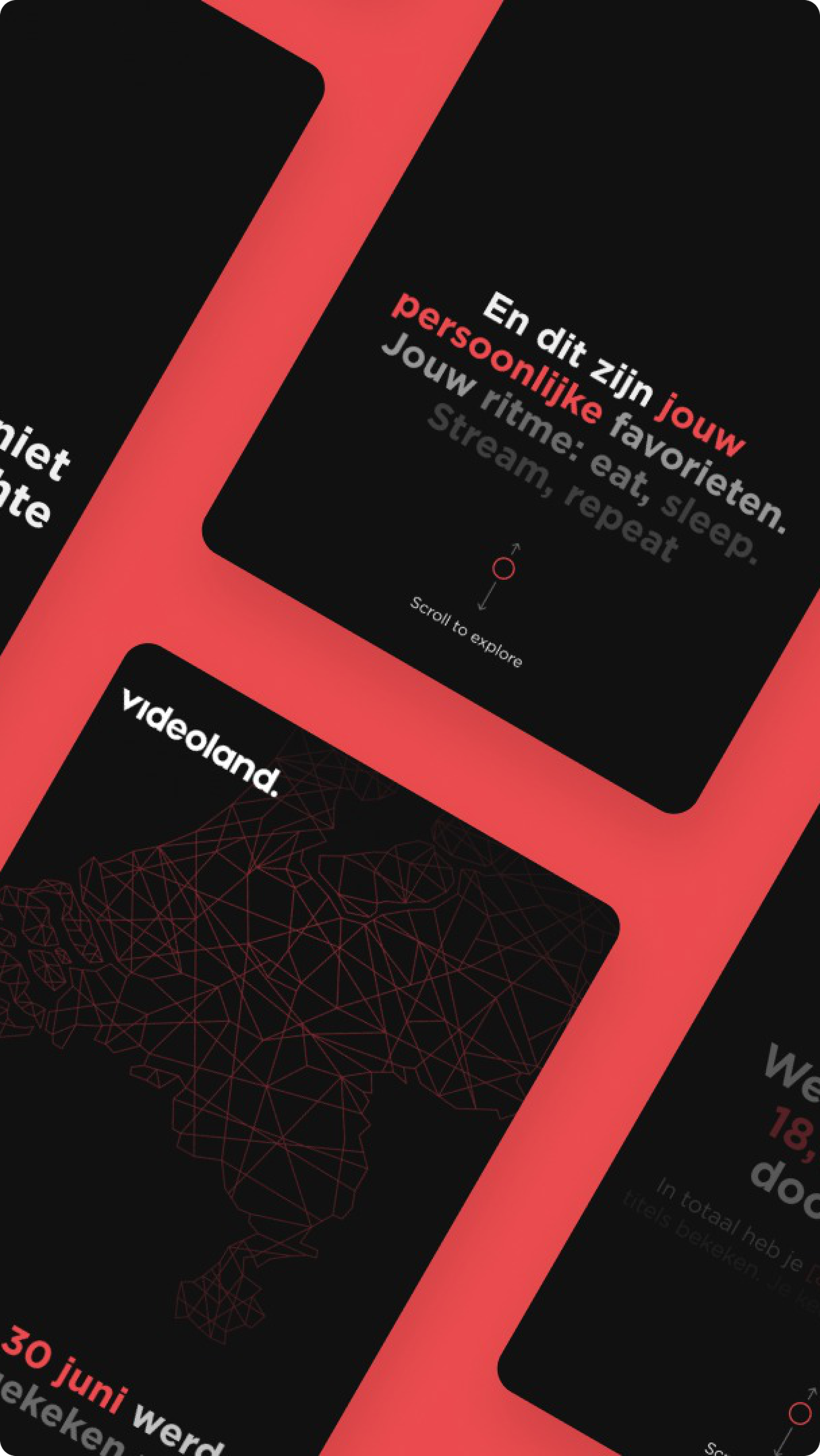
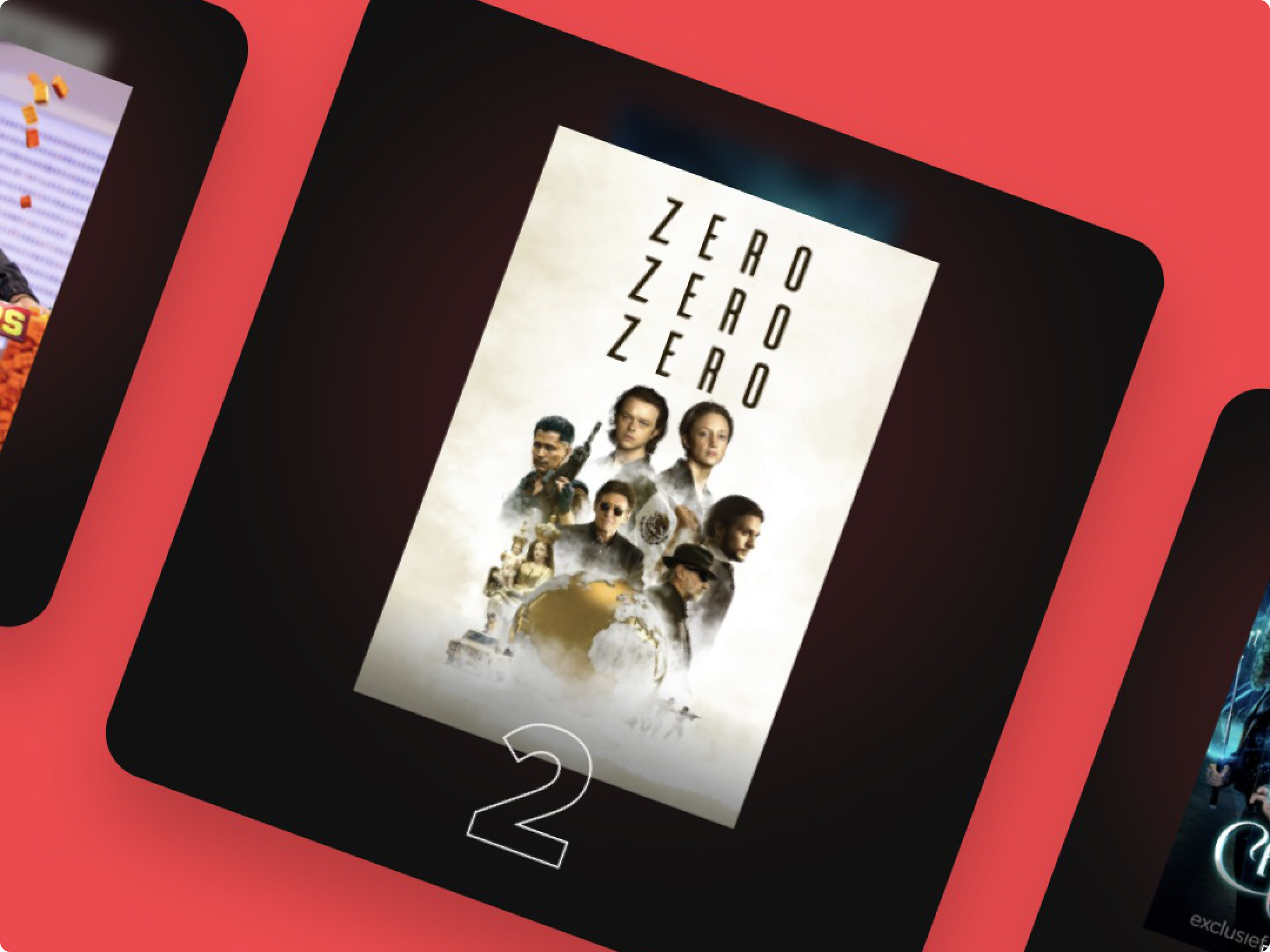
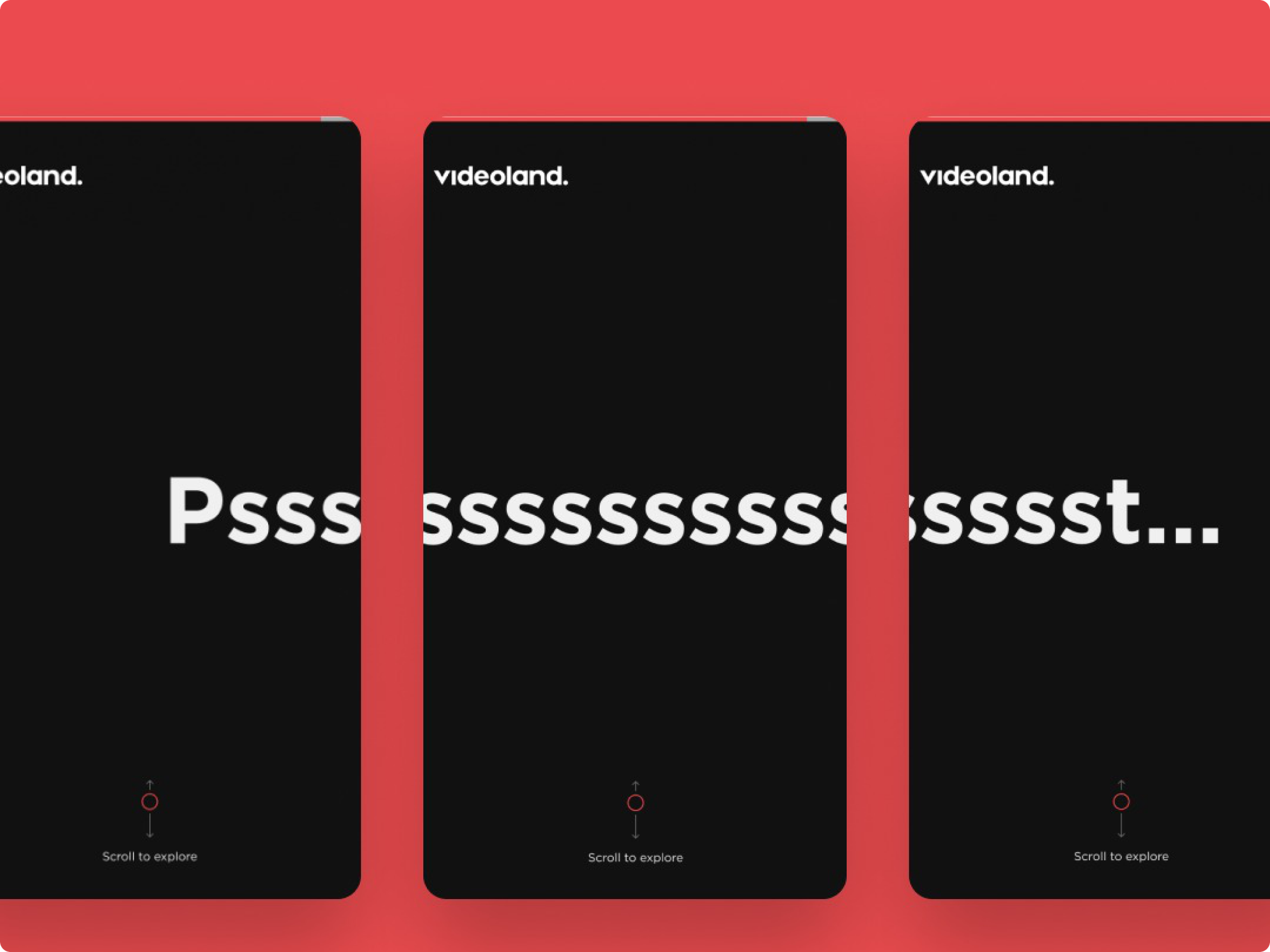
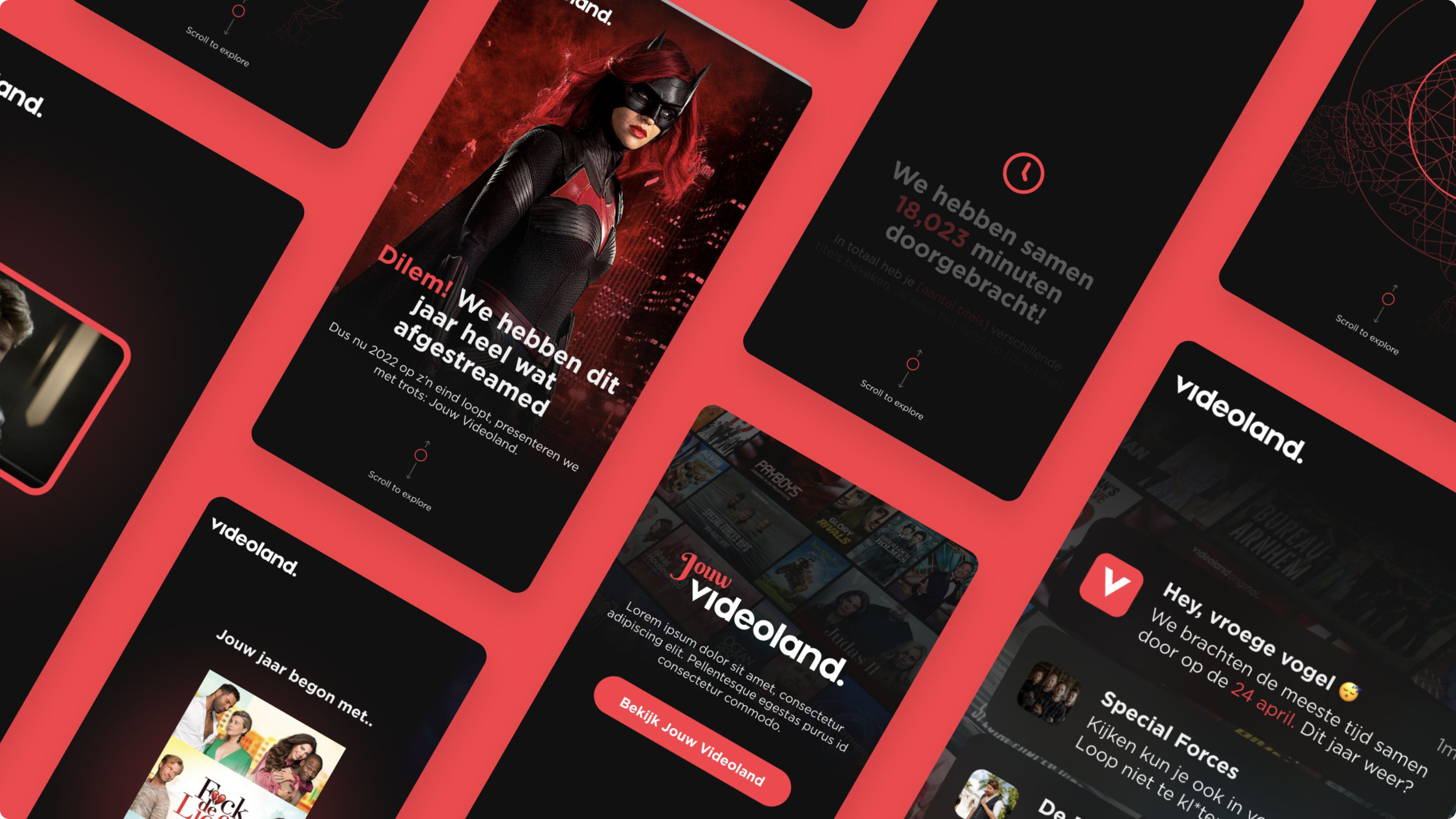
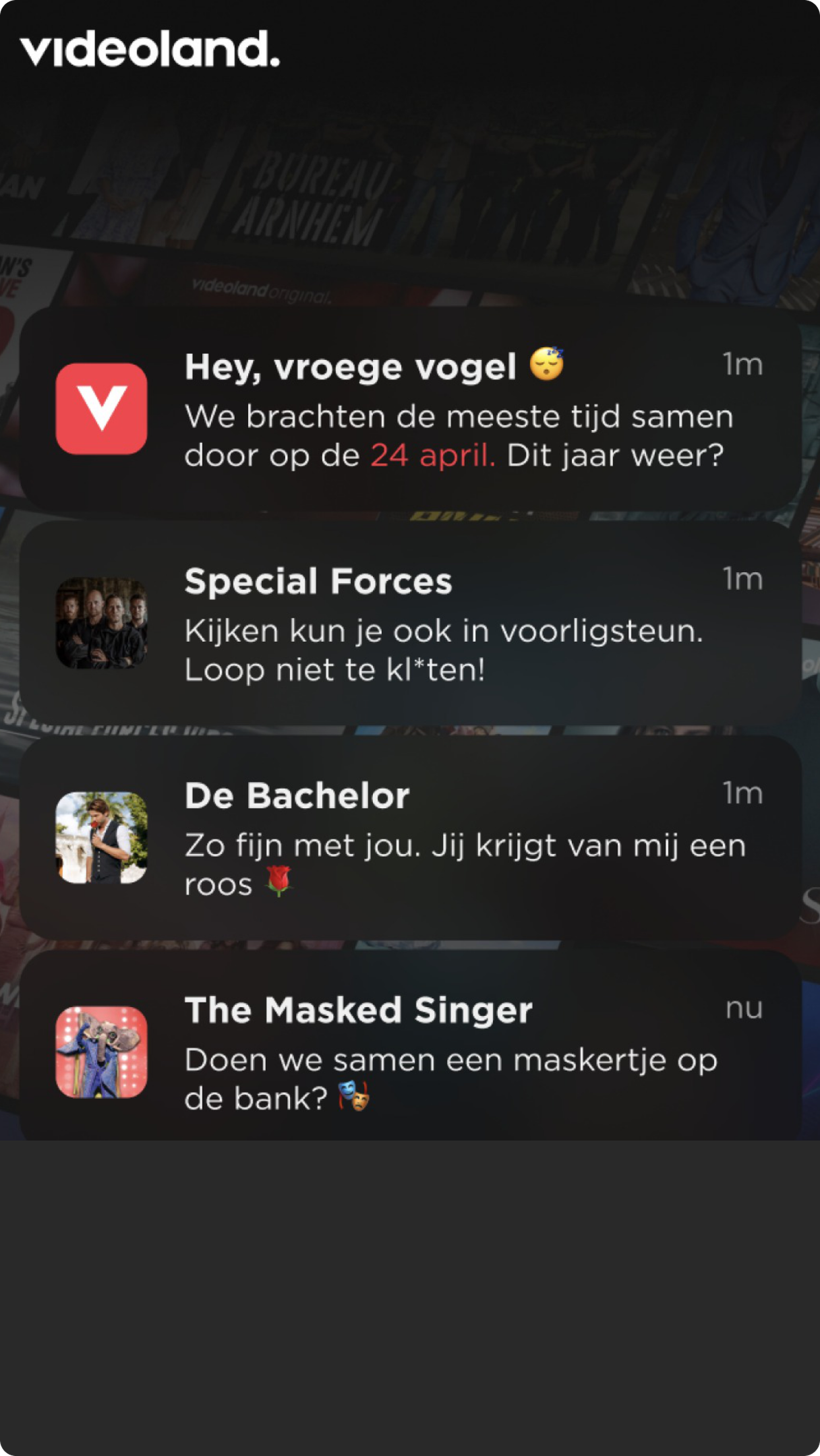
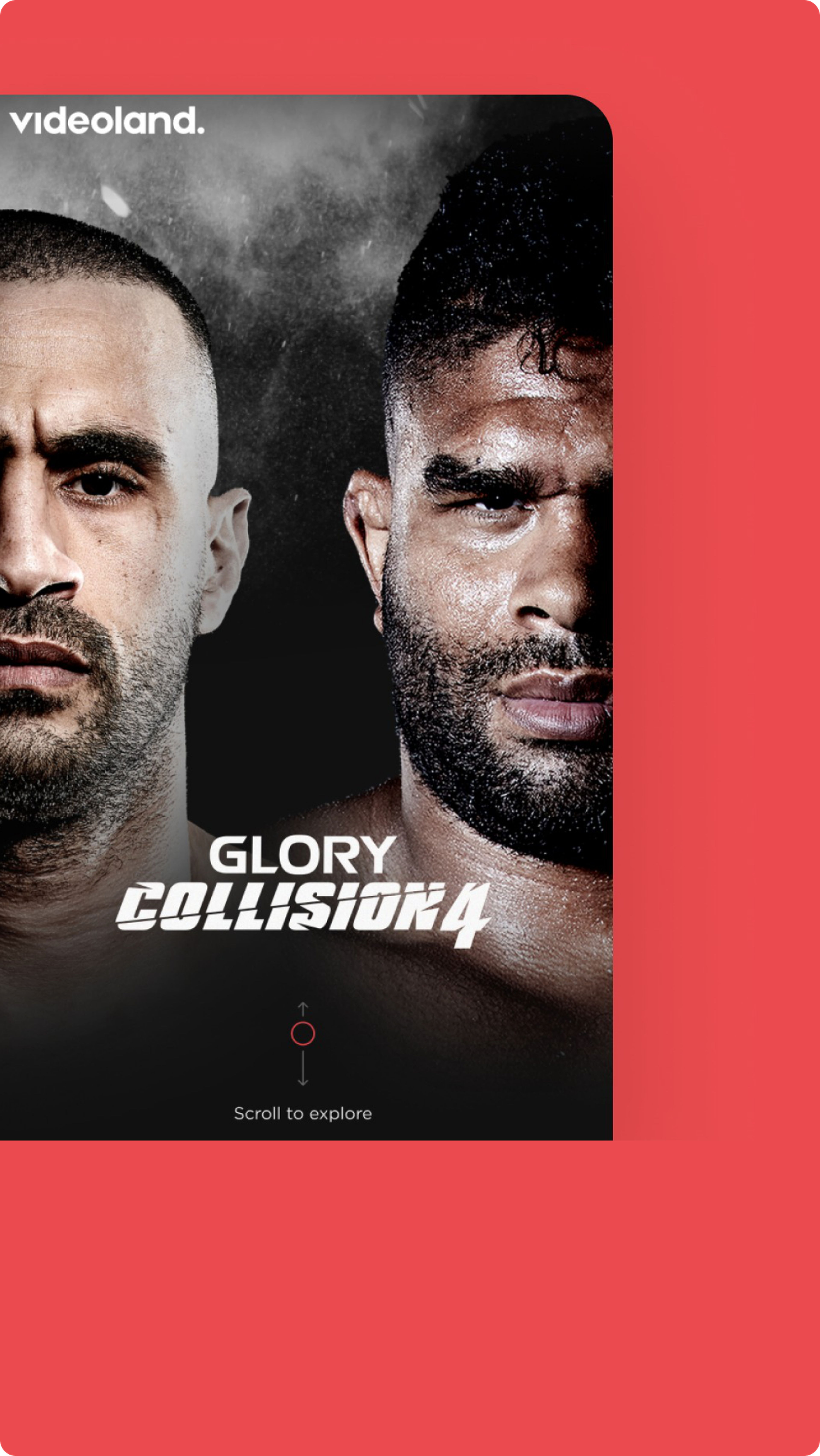
Scrollytelling combines a subscriber's own data with imagery they recognise. A single scroll starts the next piece of text, the next animation or the next clip. Every one of them is generated from that subscriber's viewing history.

Nobody is handed a finished summary. The subscriber pulls their own year into view, section by section, which sets the pace themselves. livewall's project manager on the case described the journey as personal, interactive and shareable.

Media item 1
Media item 2

From script to launch

The creative work started in 2022 with a first outline of the script. The order things are revealed in matters more than the visuals around them. Four versions followed.

The version agreed with Videoland became the throughline that activation, design and development all built against. The final version launched on 16 January.

How subscribers opened it

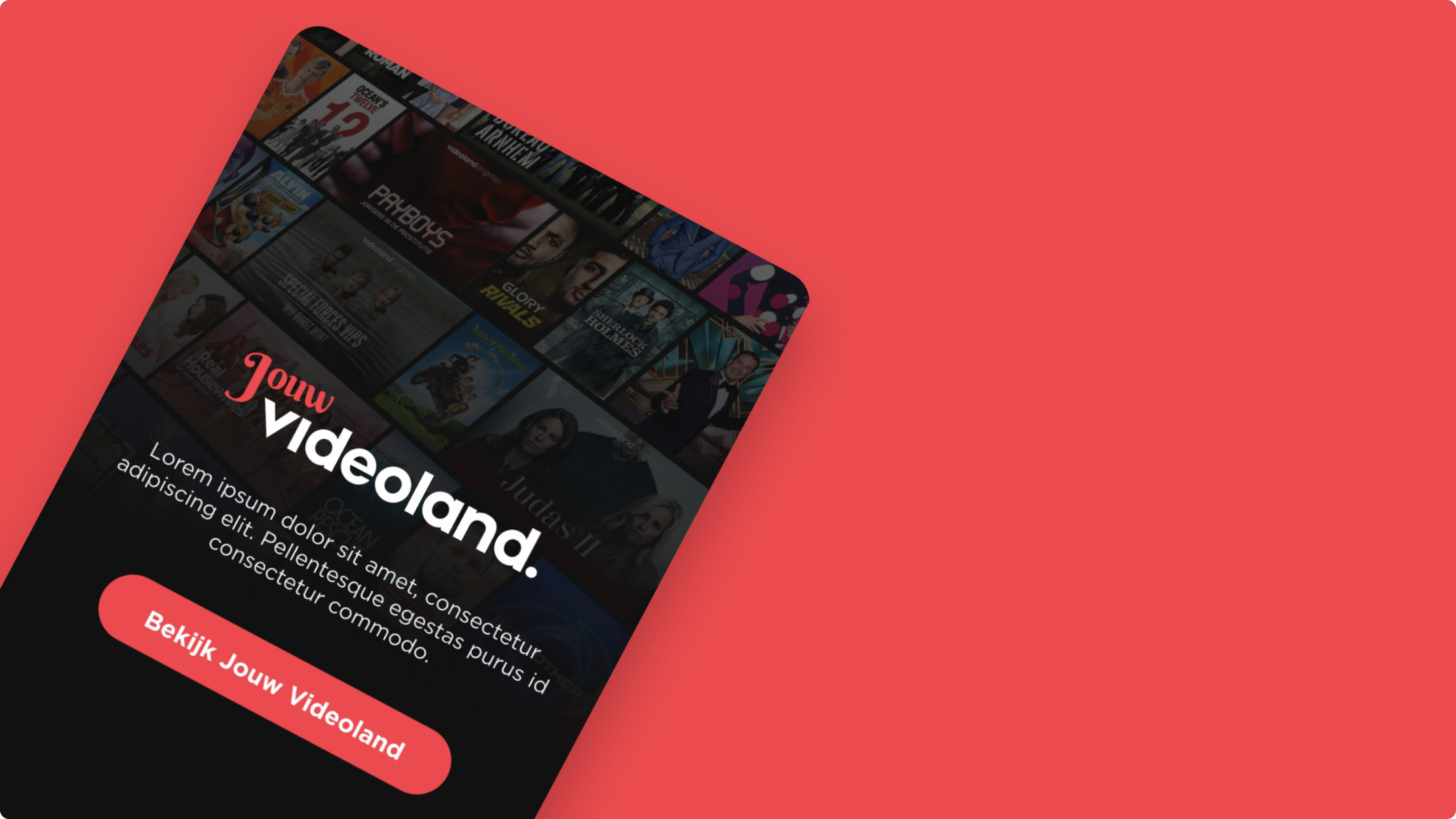
Delivery was a custom-designed email carrying a single button. One click opened that subscriber's own Jouw Videoland, with no login wall and no app to download.

The first release went to 75,000 subscribers, with up to 800,000 more able to claim theirs. Google Tag Manager tracked pageviews, section-level progress and button clicks, so how far people scrolled was measured rather than assumed.

A pilot, and the hard part

This first version ran as a pilot, testing one question: do subscribers want an annual personal look back at all? It became the basis for the Videoland partnership that followed.

The animations were the part the team was proudest of, and the part that had to survive interruption. Getting scrollytelling and smoothscroll to work together was the main technical problem, and it took video, content, copywriting and design working as one team.

This is where the fun begins.

Ready to design interactions that actually stick with your brand?Let's talk