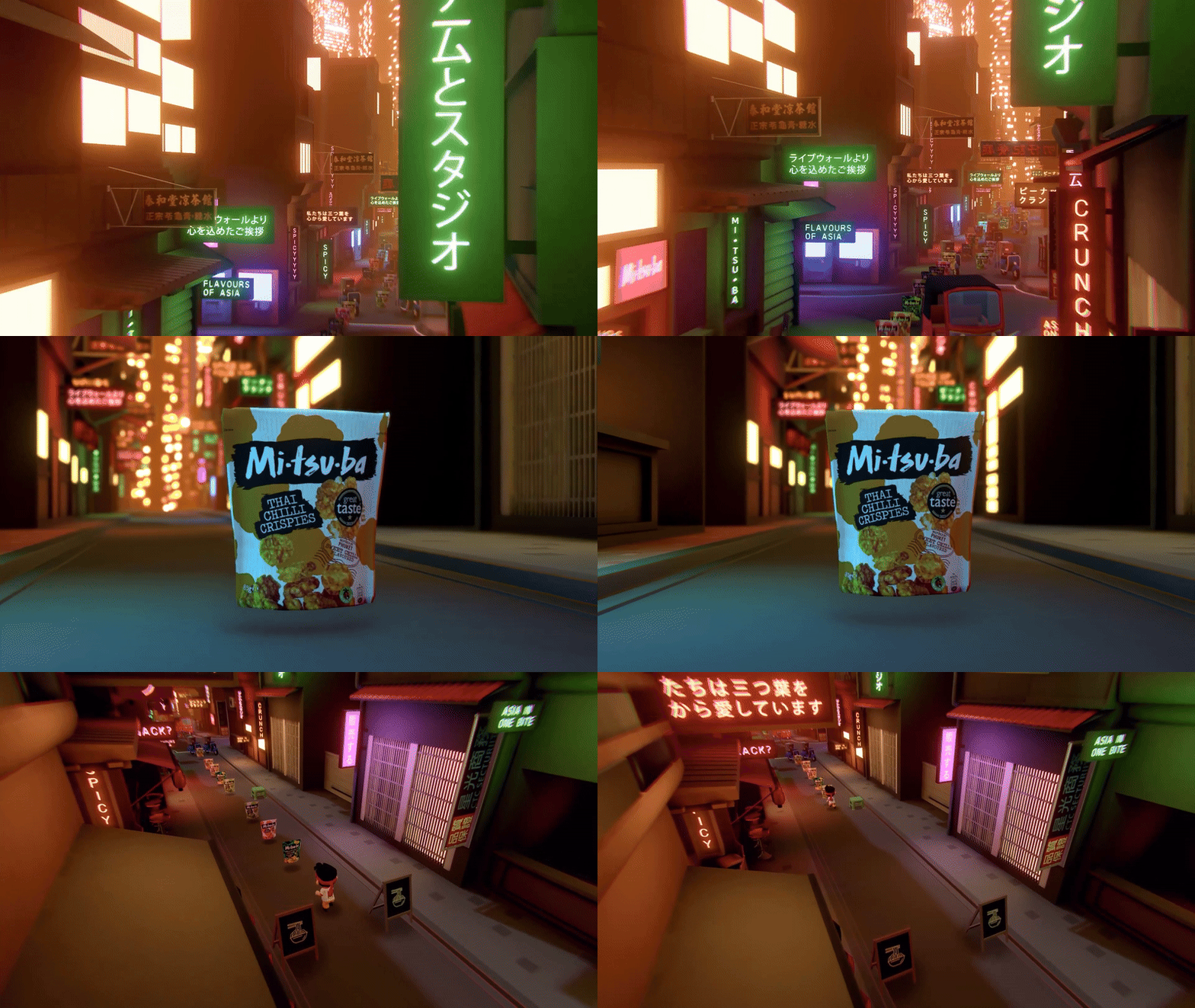
Mistake 3: no real connection to the brand
A game on your stand that could just as easily belong to your competitor is not a brand game. It's just a game.
The mechanic, the aesthetic, the theme, the reward structure: all of it needs to lead back to what the brand wants to say. That sounds obvious, but we see it go wrong constantly. A spin-the-wheel mechanic, an archery game, a memory card flip: all perfectly decent formats, but completely interchangeable when they aren't saturated with brand identity.
Ask yourself in the brief: if you removed the logo from the game, would you still know which brand it belongs to? If the answer is no, there's work to do.
In the Doritos Minecraft activation, the branded game development was so woven into the Doritos universe that the game simply wouldn't have made sense without the brand. That's the bar to aim for.
Mistake 4: the technical reality is not accounted for
Event venues are difficult environments. Wifi is unreliable. Stands get set up at the last minute. Tablets get knocked over. There's no IT support on-site to fix things.
A brief that says nothing about the technical environment puts us at a disadvantage from the start. We don't know whether to build for tablets, laptops, or a large screen. We don't know if there's internet access. We don't know how many simultaneous players to expect.
A good brief includes: the number of stands, available hardware, internet connectivity (or the lack of it), and who is responsible for technical support during the event. Without that, we always build for the worst case. That's safer, but it limits the possibilities.