


livewall
← All articles
Digital Products27 January 2026·Livewall

When a web app is the right answer and when a mobile app isn't

Mobile apps have higher engagement ceilings but much higher build and maintenance costs. Here is how to make the build-vs-web decision before you commit to either.

digital-productsweb-apps

The question surfaces early in almost every product conversation: "Does it need to be an app, or can we do this as a website?"

The answer does not depend on which technology feels more premium. It depends on how your users behave, how often they come back, and what it costs you if they don't.

At Livewall, we build both mobile apps and web applications for brands in retail, entertainment, and FMCG. We've learned that the wrong call here doesn't just waste budget. It wastes timing and market momentum. These are the questions that determine the choice.

Livewall perspective

A mobile app is not an upgrade from a website. It's a different kind of commitment: higher engagement potential, but also higher costs, higher maintenance, and a higher barrier for users to get started.

The deciding factor most teams miss: return frequency

This is the single most important variable in the decision. A mobile app earns its place only when users return multiple times per week. If they don't, you're paying for app store presence, push notification infrastructure, and native mobile app development that you'll never recover.

Think of a loyalty programme that rewards daily interaction, a community platform for a highly active audience, or an entertainment experience people keep opening. Those are cases where an app justifies its costs.

If usage is more occasional, a well-built web app is almost always the better choice. Faster to launch, no installation required, works on every device. For campaigns, activations, onboarding flows, and even complex interactive experiences, you don't need to be native to perform well.

We see this play out directly in our own work. The AvroTros Eurovision Voting App reached 141,000 users as the number one app in the store, specifically because live daily interaction during the event made installation worthwhile. But most campaign experiences we build, including time-limited activations for major brands, perform excellently as web apps.

When a web app wins

A web app beats a mobile app in the following situations:

Lower barrier to entry. No download, no account creation, no waiting. Users arrive directly via a link. For campaigns and activations this is critical: every extra step costs you a share of your audience.

Faster to market. A web app can be iterated in weeks, not months. No waiting on app store approval. You can adjust while the campaign is live.

One codebase, all devices. Build once, works on iOS, Android, and desktop. No duplicate development, no version discrepancies.

SEO advantage. Web apps are discoverable through search engines. Apps are not.

Take the Sportvisunie platform we built: an active community for sport anglers with knowledge sharing, forums, and group interaction. Web-first, accessible from any browser, no installation required. Works exactly the way the audience expects.

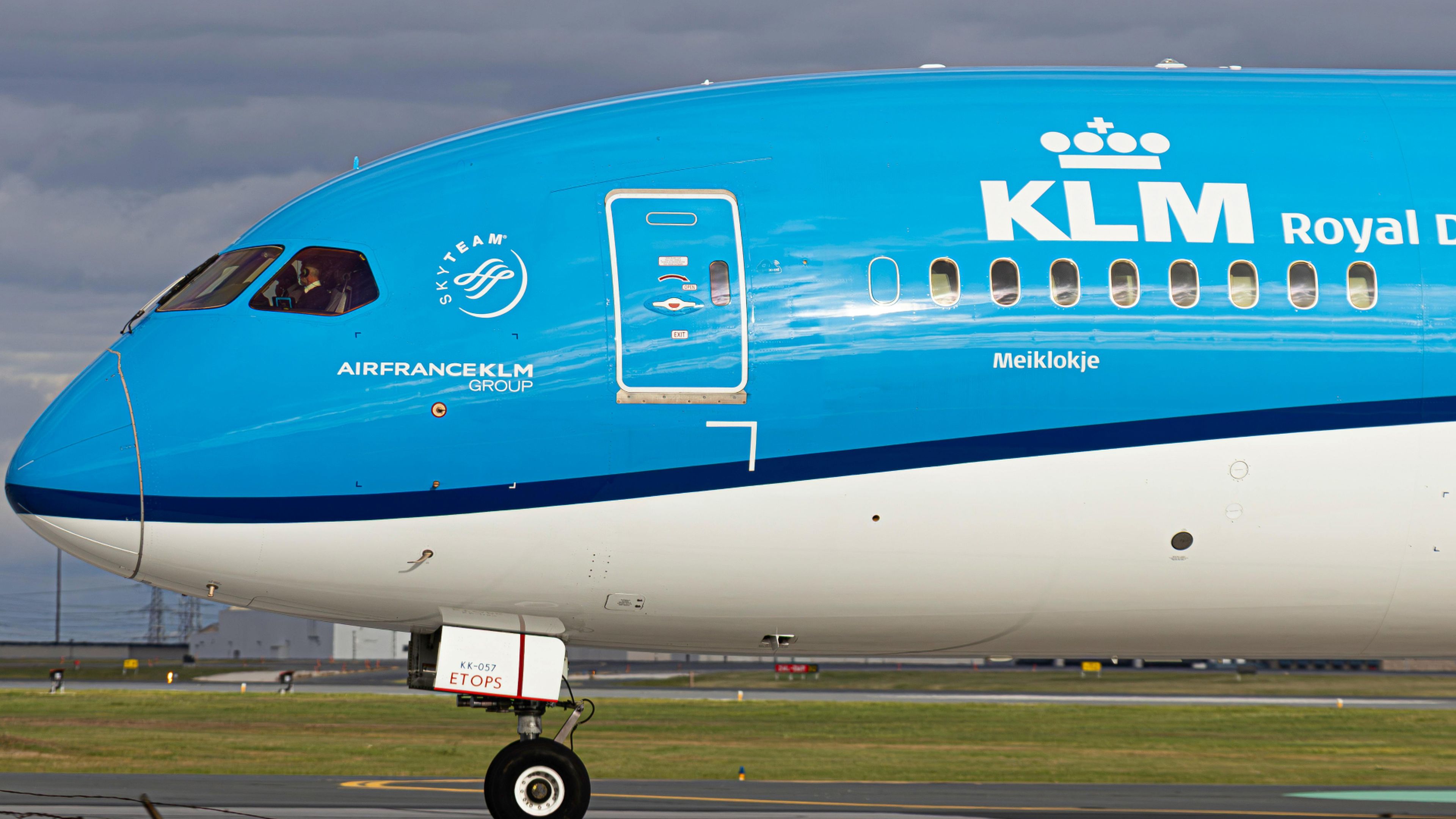
Or the KLM Scalable Growth Case: an AI-driven workflow platform for campaign production at global scale. Built entirely as a web application, deployed across more than 50 markets. Not a single user had to install anything.

Sportvisunie community platform built as a web application for sport anglers

The Sportvisunie platform: a full community web app, no installation required.

When a mobile app is genuinely the right call

There are cases where mobile app development is the clearly superior choice. Not as a status signal, but as a functional requirement.

Hardware access. Camera, GPS, NFC, sensors, offline storage. If your product depends on device hardware as a core feature, you need native code.

Daily return patterns. If your product is designed for multiple sessions per day, like a loyalty app that registers purchases or a workout tracker, the usage frequency justifies installation.

Push notifications as a core feature. If timely notifications are central to the product, not a nice-to-have, native apps handle this more reliably than web push.

Premium mobile brand experience. Brands like McDonald's Spain choose an app because the loyalty programme needs to live inside the user's mobile experience. The McDonald's Spain MyMcDonald's World is a gamified 3D loyalty world inside the app, a destination people visit daily. That only works when you're already in their app library.

3-5xhigher development cost for native apps compared to an equivalent web app
< 5%of campaign users install an app when not explicitly prompted to do so
2+sessions per week needed for a mobile app to justify its ongoing costs

A practical decision framework

At Livewall, we use a straightforward set of questions to steer the decision:

  1. Return frequency. More than twice a week? Consider an app. Less? Start with web.
  2. Hardware dependency. Does the product need camera, GPS, or NFC as a core feature? Then native.
  3. Lifespan. Is this a six-week campaign or a permanent product? Campaigns are almost always web.
  4. Audience and context. Where is the user when they use the product? On the sofa, in-store, on the move?
  5. Budget and speed. Web apps are faster and cheaper. If you're still validating, don't start with native.

A sound digital strategy starts with these questions, not a technology preference. We see too many brands choose an app because it feels more serious, when an excellent web app would have fully served the objective, faster and for less money.

And if the choice is genuinely unclear? Build an MVP as a web app, validate the behavior, then decide whether a native app is the logical next step.

Livewall

Not sure which direction is right for your product?

At Livewall we help brands make the right call before they commit budget. Whether you need a web app, a mobile app, or something in between, we're happy to think it through with you.

Get in touch with our team

What we do

Livewall builds brand experiences that people actually remember — interactive campaigns, loyalty platforms, digital products, and employer branding for ambitious brands.

Our work

We've worked with HEMA, Stabilo, Wehkamp, Efteling, 9292 and many others. Every project starts with the same question: what would make someone actually want to do this?

Talk to us

Working on something similar? We'd love to hear about it.

Contact Livewall →