


livewall
← All articles
Digital Products23 January 2026·Livewall

What scale-up development actually means for a growing product

Scaling a digital product is not just adding servers. It means evolving architecture, team structure, and engineering practices. Here is what that looks like in practice.

digital-productsweb-appsux

A product that works is not automatically a product that scales. Teams usually discover this distinction too late: user numbers climb, response times drag, and the codebase becomes harder to reason about with every release.

Scale-up development does not start with infrastructure. It starts with an honest look at what you have built, who you built it for, and what it takes to grow without breaking it.

At Livewall, we work with digital products through exactly this phase. From a validated product to a platform ready for more users, more features, and more pressure. That requires decisions that go well beyond technical optimisation.

Livewall perspective

A product that works for 1,000 users rarely works automatically for 100,000. The architecture you built to validate fast is rarely the architecture you need to grow.

What actually changes during scale-up

Most MVPs are built with speed as the primary constraint. That is the right call. You want to test a hypothesis and learn as quickly as possible. But speed has a cost: technical debt, tightly coupled components, and manual processes that hold up fine at small scale but collapse under growth.

In scale-up development, we do not ignore that debt, but we also do not pay it all off at once. Instead, we look at three layers:

Architecture. Are the system's components sufficiently decoupled? Can parts be scaled independently? Are there bottlenecks in the database or in API calls that will cause problems under higher load?

Engineering practices. How is code reviewed, tested, and deployed? How quickly can a new feature go live safely? Are there automated tests that catch regressions before they reach the user?

Team structure. Who owns which part of the product? Can teams work and deploy independently? Or does every component slow down every other?

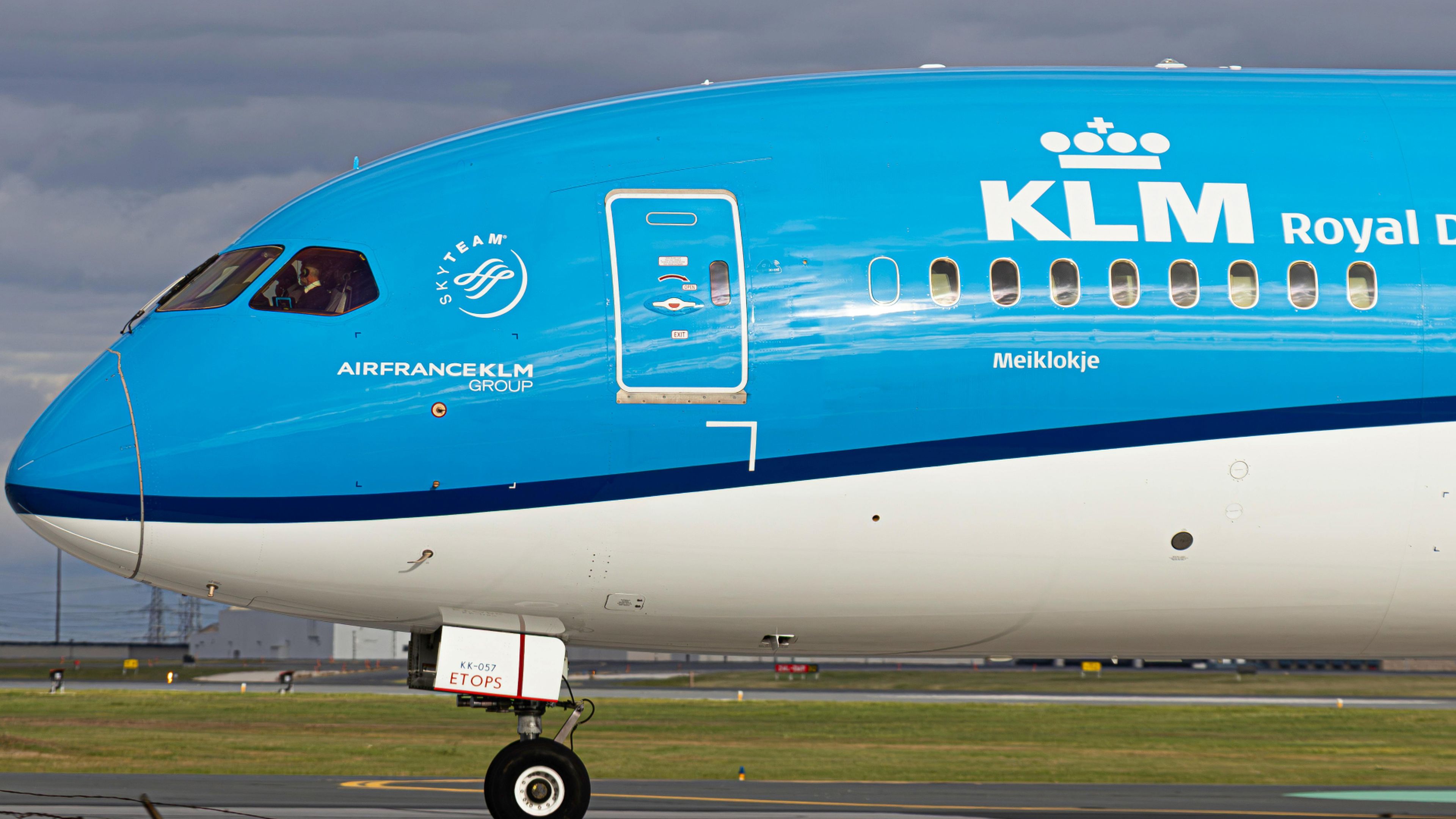
KLM scalable growth case, Livewall

For KLM, we built a scalable workflow that transformed fragmented campaign production into a streamlined global system.

From campaign to platform: a real example

For KLM, we worked on exactly this challenge. What started as a fragmented campaign production process had to grow into a scalable system that works across more than fifty markets. The challenge was not the technology itself, but the way components interacted, and how quickly new variants could be deployed without manual work.

The result was a system that is not just faster, but more resilient. Adding new markets now takes a fraction of the time it did before. That is what scale-up development looks like in practice: not doing the same things faster, but becoming structurally smarter.

UX scales too

Technical scalability is one side of the story. The other is UX. A product that feels intuitive with a small user base can become confusing as it expands, through new features, more content, and a wider range of user needs.

This is especially visible in community platforms. When we built the platform for Sportvisunie, a growing community of sport anglers, we had to think carefully about information architecture. As usage grew, the structure needed to adapt so new users could orient themselves quickly while active members were not overwhelmed by content.

Good UX/UI design at scale is not a cosmetic exercise. It is a structural question: how do you guide thousands of users with different needs through one product without overloading any of them? That requires component libraries, design systems, and layered navigation structures that grow without being rebuilt from scratch each time.

50+markets served from one scalable system at KLM
3xfaster rollout of new campaign variants after architecture changes
141Kactive users in the AvroTros Eurovision app on launch day

What scale-up development is not

It is not a full rewrite. That is a trap we encounter regularly: the idea that everything has to be replaced before growth is possible. In practice, that is rarely necessary and almost always too expensive.

It is also not a one-time exercise. Scale-up development is a way of working. Every new feature should be evaluated for scalability. Every architectural choice has consequences downstream. Teams that do this well build those questions into their working process from the start.

This also means scale-up development is not purely a technical matter. It touches how a team makes decisions, how quickly it can respond to changing requirements, and how clearly it understands what the system does under load.

At Livewall, we bring strategy, design, and engineering together in one team. That means we can resolve technical bottlenecks while also steering the broader product strategy when growth demands it.

The app that reached number one

A strong example of building for scale at a peak moment is the AvroTros Eurovision Songfestival Voting App. Over 141,000 users rated live performances, competed in quizzes, and formed friend groups. The app reached number one in the app store.

That does not happen with architecture you scale reactively after the fact. It requires thinking upfront about load, state management, real-time data processing, and how the system behaves when everyone is active simultaneously. That is web application development where scalability is a design principle, not an afterthought.

Livewall

Ready to take your product to the next level?

At Livewall, we guide digital products from validated MVP to scalable platform. Get in touch if you want to discuss what your product needs to grow into its next phase.

Get in touch with our team

What we do

Livewall builds brand experiences that people actually remember — interactive campaigns, loyalty platforms, digital products, and employer branding for ambitious brands.

Our work

We've worked with HEMA, Stabilo, Wehkamp, Efteling, 9292 and many others. Every project starts with the same question: what would make someone actually want to do this?

Talk to us

Working on something similar? We'd love to hear about it.

Contact Livewall →