

livewall
← All articles
Engagement7 February 2026·Livewall

Viral mechanics: what actually makes campaigns get shared

Virality is not a strategy. But shareability can be designed for. Here is what we have learned about the mechanics that make people send things to their friends.

campaignssocial-mediabrand-activation

Every brand wants a campaign that spreads on its own. But most treat virality like a lottery: push hard enough and maybe it catches. That is not how it works.

At Livewall, we have spent years working out what actually makes people forward things. Not theoretically. Through campaigns that ran across 14 countries, fan activations that generated organic reach without paid distribution, and social-native formats built to earn the share rather than beg for it.

The starting point is a simple, honest question: why would someone send this to a friend? Not why a marketing team wants them to. Why would a real person, in a real moment, decide this is worth passing on? The bar for sharing is high. People only forward something when it reflects well on them, when it benefits the receiver, or when it is just too good to keep.
Livewall perspective

People do not share campaigns. They share things that make them look good to whoever they are sending them to.

Identity is the strongest share trigger

The most reliable sharing mechanic is identity expression. People forward things because it says something about who they are. A music fan shares their personalised result because it confirms their taste. A sports fan shares their score because it reflects their dedication.

For the Martin Garrix Dream Team campaign, we built Spotify API integration that gave fans a personalised listening identity. The output was a share card that positioned both the artist and the fan. People were not sharing the campaign. They were sharing themselves. That activation rolled out simultaneously across 14 countries, not because the brand pushed it, but because the content was worth passing on.

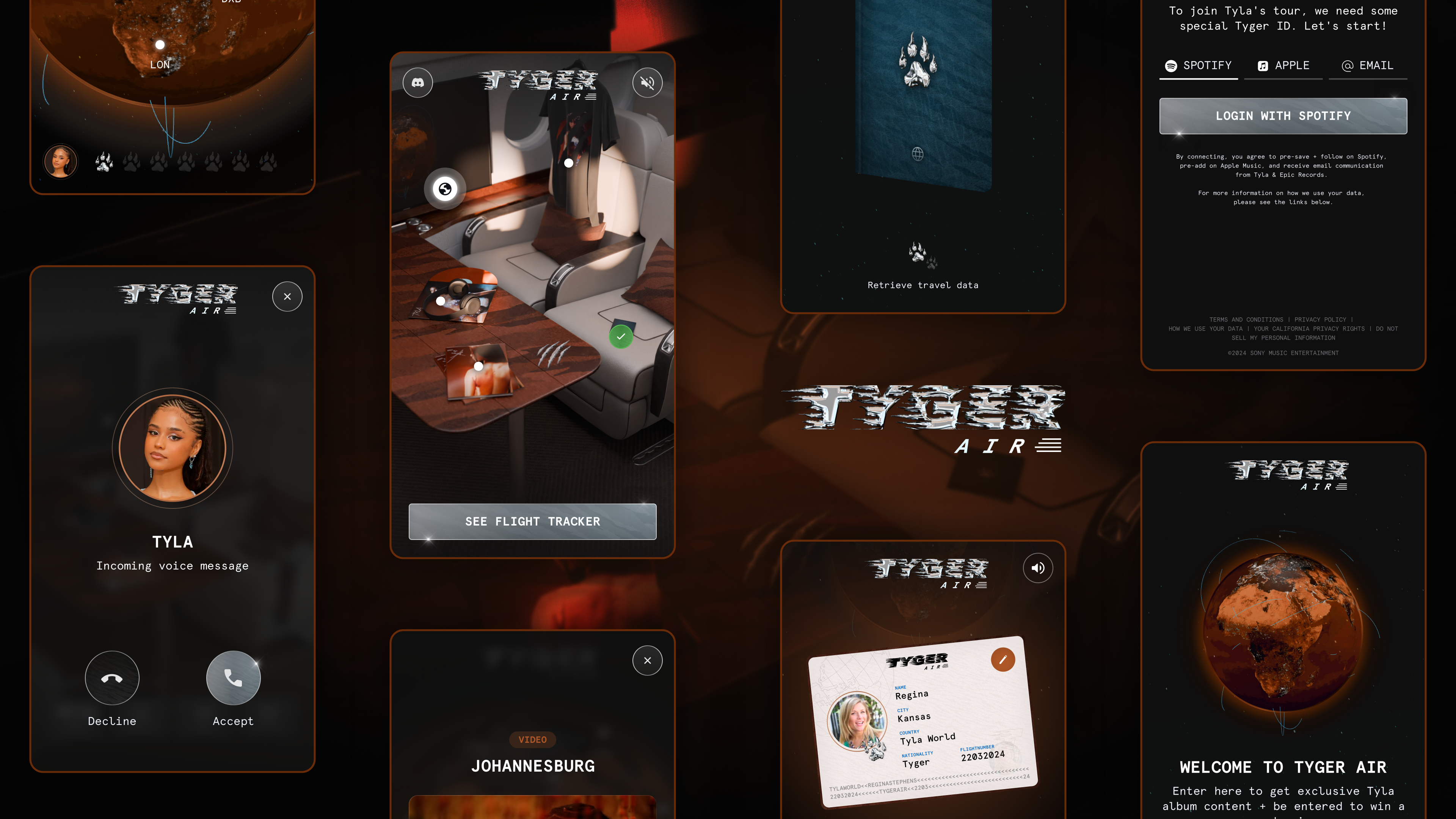
For Tyger Air, the campaign built around global artist Tyla, we created personalised digital passports for each fan. Every passport was unique. Uniqueness is inherently shareable because no one else has exactly the same thing.

Social currency and competition

Scores, leaderboards and badges work because people like to show how good they are. That is especially true when something is at stake: pride, status, or just the satisfaction of winning in front of someone else.

For the Doritos Step into the Netherlands branded Minecraft experience, players shared their progress because it positioned them as an insider in something worth talking about. The brand provided the canvas, but the players provided the social motivation.

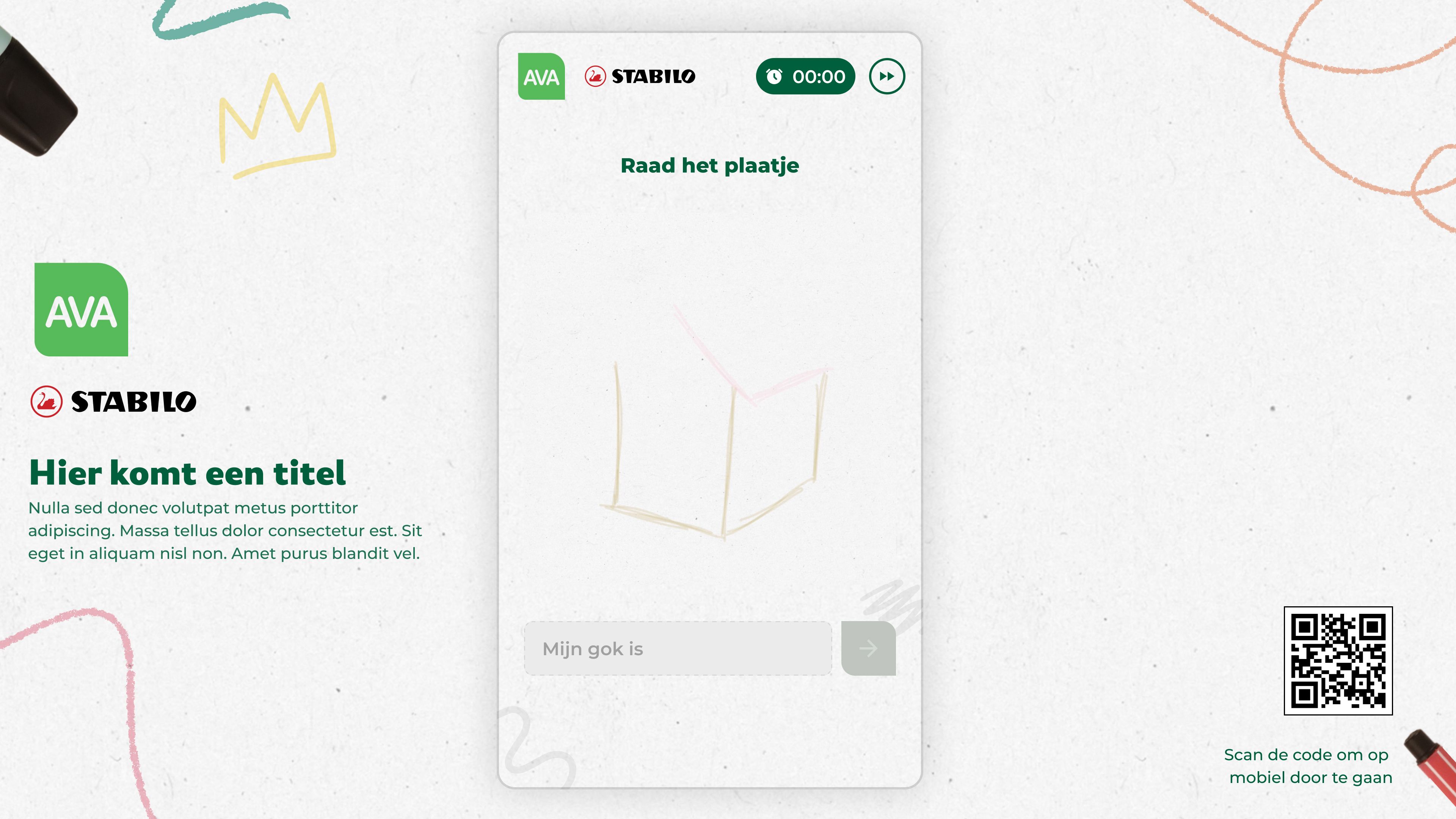
The same principle ran through Stabilo Pictionary. Drawing and guessing is social by nature. The campaign gave participants something to show and someone else to play with. That is the crucial difference: shareable campaigns give people an active reason to pull others in, not just a passive button to tap.

When designing interactive campaigns that want sharing behaviour, you have to understand the social intent of the user first, not the brand objective.

Stabilo Pictionary campaign atmosphere

Stabilo Pictionary: drawing and guessing as a social sharing mechanic

Emotion is the fuel

Sharing is driven by emotion. Not every emotion works equally well. Surprise, humour and pride drive the most forwarding behaviour. Fear and sadness do not travel the same way. Brands that want people to pass something on need to design a clear emotional peak into the experience.

KLM Airmail was a Valentine's campaign built around sending personalised messages through an interactive platform. The activation worked because the emotion was real for the receiver, not just the sender. That is the key: the emotional moment has to land at both ends of the share.

For Feyenoord Play by Unive, we built into the pride supporters already carry. Fans share things that reinforce their club identity, especially when they had an active role in creating it.

14countries reached by the Martin Garrix campaign through organic sharing alone
3xhigher share rate on personalised outcomes versus generic campaign content
141Kusers on the AvroTros Eurovision app, ranking number one in the app store

Low friction, clear reward

Sharing asks something of a person. Time, attention, a small social risk. When that friction is too high, no one acts. The easiest way to drive share behaviour is to make the output of participation immediately and visually shareable.

A score you can screenshot. A personalised card with your name. A result that captures something true about you and is worth showing.

The 9292 social content production approach shows what low friction looks like in practice. Content that already looks like it belongs on TikTok removes the extra step for the user. The context is already right. No adaptation needed.

For social campaigns, the principle holds across platforms: design the share moment as part of the experience, not as an afterthought bolted on at the end.

What does not work

Brands make three common mistakes. First: asking for shares without giving a reason. "Share this post and win" only works with a very specific, prize-driven audience. It creates no real engagement and no lasting reach.

Second: making content that is interesting to the brand but not to the user. If all your campaign communicates is "buy from us", there is no social reason to pass it on.

Third: treating sharing as a disconnected step at the end of the experience. If forwarding something adds nothing to the user's experience and serves only the brand, people skip it.

At Livewall, we design for shareability from the brief stage. Not as a feature, but as a design criterion. What moment in this experience will someone want to capture? Which outcome will someone want to show? What does participating say about who you are?

Those questions lead to brand activations that generate organic reach because the content earns it, not because the media budget demands it.

Livewall

Want to build a campaign people actually want to share?

At Livewall, we design campaigns where sharing behaviour is built into the experience from the start. Tell us what you are trying to achieve.

Get in touch with our team

What we do

Livewall builds brand experiences that people actually remember — interactive campaigns, loyalty platforms, digital products, and employer branding for ambitious brands.

Our work

We've worked with HEMA, Stabilo, Wehkamp, Efteling, 9292 and many others. Every project starts with the same question: what would make someone actually want to do this?

Talk to us

Working on something similar? We'd love to hear about it.

Contact Livewall →