


livewall
← All articles
Engagement9 May 2026·Livewall

The engagement plateau: why campaigns lose momentum after week two

Most campaigns start strong and fade fast. The plateau is predictable if you know what causes it. Here is how to design against it from the start.

campaignsgamificationbrand-activation

Week one always goes well. Participants are curious, the mechanic is new, and the social pressure to join is at its strongest. Then week two arrives. The novelty is gone. Repeating the same mechanic feels like a chore. Participation drops, sometimes by more than half.

At Livewall, we see this pattern in almost every campaign that was not specifically designed to prevent it. The good news: the plateau is not inevitable. It is a design problem. And design problems can be solved.

Why the plateau happens

Most campaigns are built on a single loop: do X, win Y. That works fine for the first few interactions. After that, the tension disappears. Once users understand the structure and rewards become predictable, there is no reason to come back.

Two other factors accelerate the drop: external pressure fades and social proof weakens. In week one, everyone shares invites. By week two, that first wave has passed. Anyone who does not return by instinct does not return at all.

Interactive campaigns that sustain participation longest share three properties: they change form regularly, they reward loyal behaviour differently from one-time behaviour, and they create a reason to return that is independent of the prize.

Livewall perspective

The plateau is not bad luck. It is the result of a mechanic that was never designed for week two.

The three most common mistakes

One mechanic for the entire campaign. A single game, quiz or collect mechanic. If the structure does not change, the experience does not change. Participants know what to expect and the surprise disappears. Sustained engagement requires some uncertainty about what comes next.

Front-loaded rewards. Many campaigns concentrate their biggest rewards in week one, when acquisition is the goal. But that works against retention. Someone who has already received the maximum reward has little reason to keep playing.

No social layers after launch. Launch buzz is free. After that, you have to earn it. Campaigns without mechanics for friend challenges, leaderboards or shared achievements lose social momentum as soon as novelty wears off.

What actually works

The solution is not a trick bolted on at the end. It is a decision made at briefing stage: how do you make participation worth it after day seven?

Time-bound content helps. Daily or weekly variations in the mechanic, limited-time actions or seasonal elements give participants a reason to return without feeling like they missed something. Rituals are more powerful than randomness here.

Progression systems work too, but only when they are visible and meaningful. A progress bar that never seems to move motivates nobody. A system where participants reach a clearly new level after three visits gives them a concrete goal to work toward.

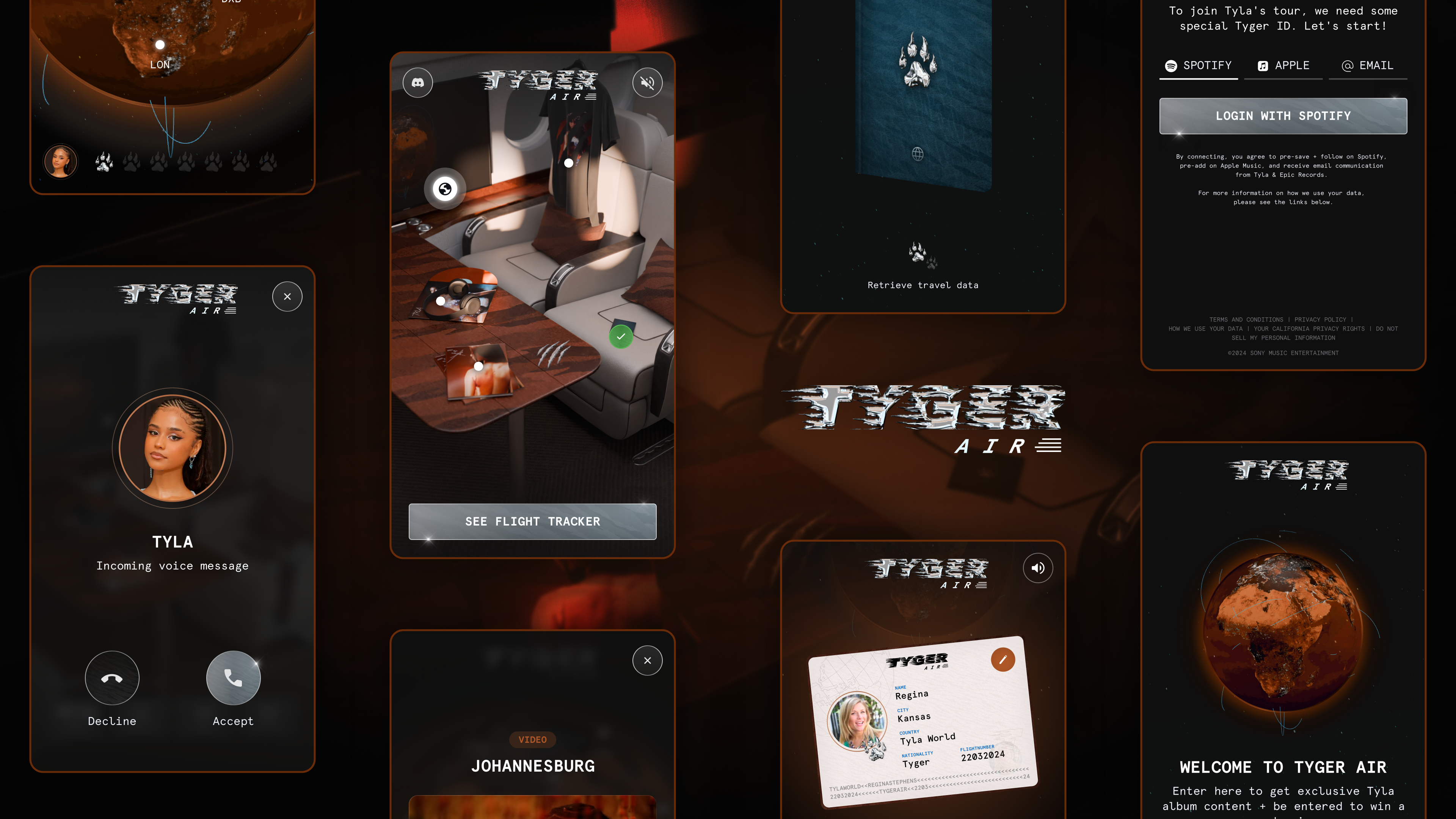
For Wehkamp Wanna Have Days, we built a campaign where customers could unlock a new digital card every day. The daily surprise element, combined with variety in what was unlocked, produced return rates well above the category average.

The same principle of daily novelty sits at the core of the HEMA Stapelgek activation. Every purchase opened a new game element. Linking offline behaviour to online engagement created a rhythm that carried participants from week to week.

The Rituals Advent Diorama is another example of this approach at scale. Daily discoveries across an entire month kept users returning not because they had to, but because each visit offered something genuinely new.

50%+drop in participation after week two for campaigns without a retention mechanic
3xhigher return rates in campaigns with daily variation in content or mechanic
7 daysthe critical window in which a campaign must build return behaviour

Design for week two, not week one

The most effective approach is to start the campaign design by asking: why would someone still participate on day ten? If you cannot answer that during briefing, the plateau is almost certain.

Concrete steps to break the plateau:

  • Phase your mechanics. Introduce new game elements, challenges or reward layers after five to seven days, not all at launch.
  • Make social layers persistent. Leaderboards, friend challenges and shared achievements extend engagement beyond individual motivation.
  • Use scarcity techniques carefully. Time-limited content and restricted rewards create urgency. But overuse works against you.
  • Measure engagement by cohort. Do not only track daily visitor numbers. Track retention patterns by start date. That is how you see the plateau coming before it arrives.

At Livewall, we build this structure into the design phase. Not as an add-on, but as part of the core mechanic.

Interactive campaign with high return rates through progression mechanics and daily variation

Campaigns that break the plateau build return behaviour in from day one.

First-party data as a retention benefit

One underrated advantage of well-designed retention mechanics: they generate behavioural data you simply cannot get from a one-time visit. Repeat participants tell you more. Which mechanic brings them back? Which reward activates the most? Which day of the week peaks?

That data has value beyond the campaign itself. It feeds better campaign designs, stronger segmentation and more effective follow-up communication.

First-party data mechanics are not a byproduct of a good campaign. They are a strategic objective in their own right. Retention design is how you collect them.

Livewall

Ready to build a campaign that keeps running past week two?

At Livewall we design interactive campaigns with retention as the starting point, not an afterthought. Get in touch and we will look at what works for your brand and audience.

Get in touch with our team

What we do

Livewall builds brand experiences that people actually remember — interactive campaigns, loyalty platforms, digital products, and employer branding for ambitious brands.

Our work

We've worked with HEMA, Stabilo, Wehkamp, Efteling, 9292 and many others. Every project starts with the same question: what would make someone actually want to do this?

Talk to us

Working on something similar? We'd love to hear about it.

Contact Livewall →