


livewall
← All articles
Engagement16 March 2026·Livewall

The brief structure that gets better creative work from your agency

Most campaign briefs are too long on background and too short on the actual problem. Here is the structure that gives creative teams the clarity they need to produce great work.

campaignsbrand-activation

A campaign brief is the foundation of everything that follows. And yet the document most interactive campaign agencies receive looks more like a brand presentation than a sharp creative challenge.

Too much background. No clearly stated problem. A tone-of-voice section built from three brand adjectives that could apply to any company in any category.

The result: a creative team spends its first days figuring out what the brand actually wants, instead of developing the best possible idea. At Livewall we see this pattern consistently, and there is a more effective way to structure a brief.

Livewall perspective

A brief is not a summary of your brand. It is a sharply defined problem, ready to be solved.

The core problem with most briefs

Most briefs are built around what the brand wants to say, not what the consumer should do or feel. That distinction sounds subtle, but the creative output is fundamentally different.

'We want to communicate our brand values' is not a brief. 'We want first-time customers to make a second purchase within fourteen days' is a brief.

Another common mistake: KPIs sit at the bottom of the document as if they are an appendix. The creative challenge lands somewhere in the middle, buried under brand history and audience descriptions recycled from ten previous briefs.

Creative teams read top to bottom. If the first paragraph does not state the problem clearly, the team starts on the back foot before they write a single idea.

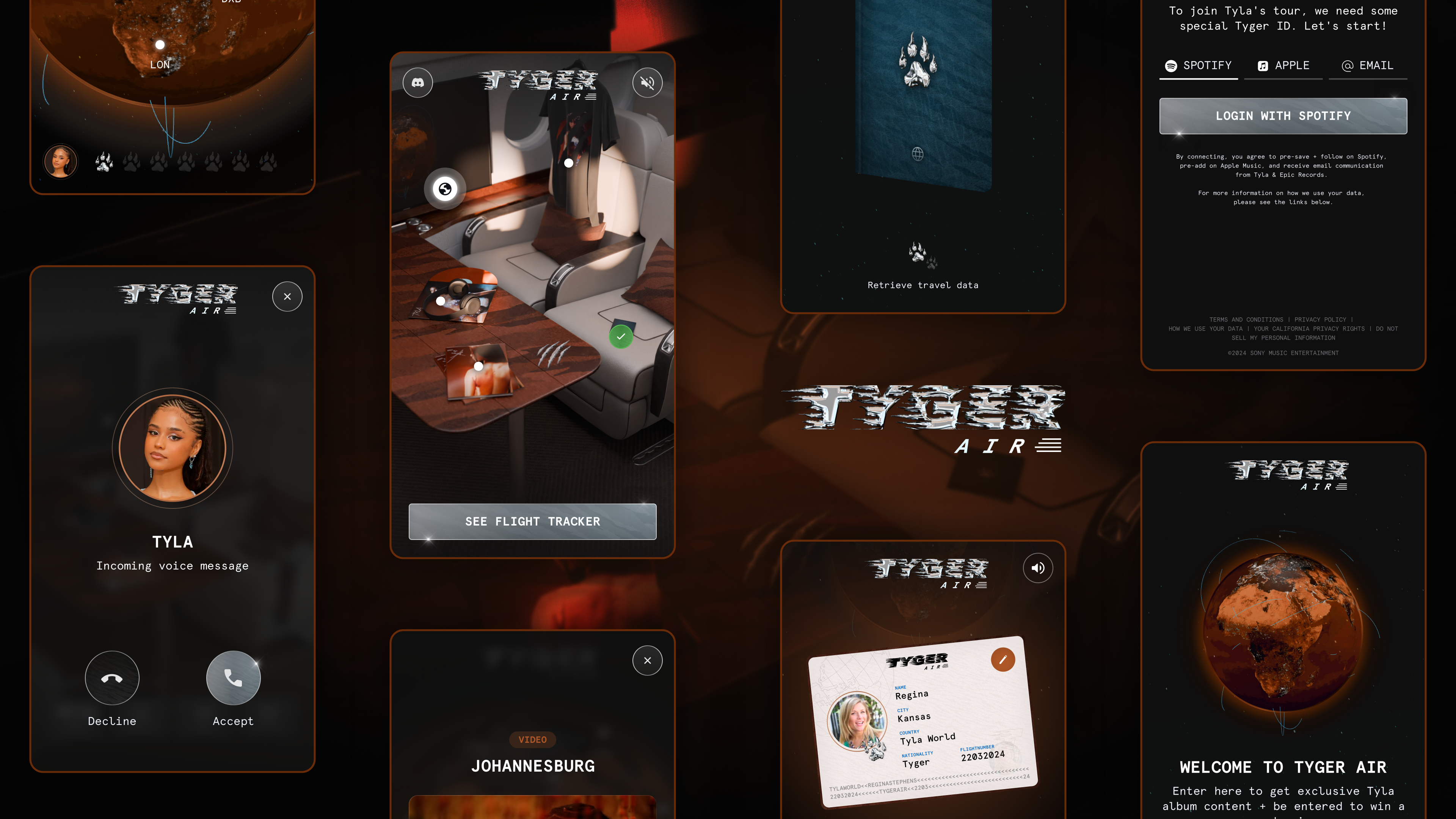
Tyger Air campaign by Livewall

Tyger Air: a campaign that worked because the problem was clear from the start.

The structure that actually works

The best briefs we receive share one quality: they start with the problem, not the context.

Here is the structure we recommend:

1. The problem in one sentence What is broken? What is the audience not doing that they should be? Write this in one sentence. Two at most.

2. The audience defined by behavior, not demographics 'Women aged 25 to 45' is not an audience description. 'People who are considering switching but keep postponing the decision' is. Describe what they do and why, not who they are on paper.

3. The desired action What should the audience do after encountering this campaign? Not feel. Do. One action. Concrete and measurable.

4. Tone captured by one example Instead of three brand adjectives, give one example of a brand, film, or campaign that has the right tone. That is worth more than half a page of brand values.

5. Constraints and non-negotiables What is absolutely off the table? Which channels are already decided? What is the production budget? This is practical information, not creative input. Keep it brief.

6. The measure of success How do we know this worked? Not vague objectives. Concrete KPIs with a timeframe.

What a good brief is not

A brief is not a presentation of your brand strategy. That information is valuable, but it belongs in a separate document shared earlier in the process.

A brief is also not a briefing about the brief. If you need three pages to explain why you are running this campaign now, the brief is not ready.

We often hear 'we wanted to give the creative team as much context as possible.' That intention is good. But context only works when it sharpens the creative challenge, not when it expands it.

For interactive campaigns, the gap between a vague and a sharp brief is the gap between work that merely fulfils the request and work that drives real results. We see this play out in the projects where we have done our best creative work.

The Stabilo Pictionary brief was simple: get young people to participate actively rather than watch passively. That single constraint shaped everything, from the live drawing mechanics to the repeat-visit structure.

The brief as a dialogue

A brief does not need to be perfect before you send it. The best briefs are the result of a conversation. Send a first version, ask your agency to raise questions, and notice which questions keep coming back. Those questions mark precisely what is still unclear.

At Livewall, we start almost every project with a briefing session where we work through the document and surface three to five clarifying questions. Not to test the brand, but to make sure we have the problem sharp before we start thinking.

That one-hour investment at the start typically saves two or three rounds of creative revisions later.

Looking at what Livewall has built for brands like Feyenoord Play by Unive or KLM Airmail, the common thread is a problem statement clear enough to give the creative team genuine freedom. Constraint is not the enemy of creativity. Vagueness is.

For brand activations that need to perform commercially, a precise brief is the most underrated input in the entire process.

1concrete action per brief, not five simultaneous objectives
3-5clarifying questions that directly improve the creative output
2xfewer revision rounds on projects that start with a sharp brief

Livewall

Ready to build a campaign that actually solves something?

At Livewall, every project starts by getting the problem sharp. Send us your brief or let us start with a conversation about what you actually want to achieve.

Get in touch with our team

What we do

Livewall builds brand experiences that people actually remember — interactive campaigns, loyalty platforms, digital products, and employer branding for ambitious brands.

Our work

We've worked with HEMA, Stabilo, Wehkamp, Efteling, 9292 and many others. Every project starts with the same question: what would make someone actually want to do this?

Talk to us

Working on something similar? We'd love to hear about it.

Contact Livewall →