


livewall
← All articles
Digital Products5 April 2026·Livewall

Performance marketing vs digital product investment: where to allocate

Brands often treat performance media and owned digital products as separate budgets. Here is how to think about the relationship between them and where long-term value actually lives.

digital-productsuxweb-apps

Performance marketing produces results you can measure immediately. Clicks, conversions, cost per acquisition. That makes it easy to defend in a budget meeting. Digital products are a harder sell: value builds over time, the line to revenue is less direct, and the upfront investment is larger.

But framing these two as competitors is a mistake. The question is not which one you choose. It is how you connect them in a way that makes both work harder.

At Livewall, we build both digital products and activation campaigns for consumer brands. We see how these investments interact, and where brands leave money on the table by keeping them separate.
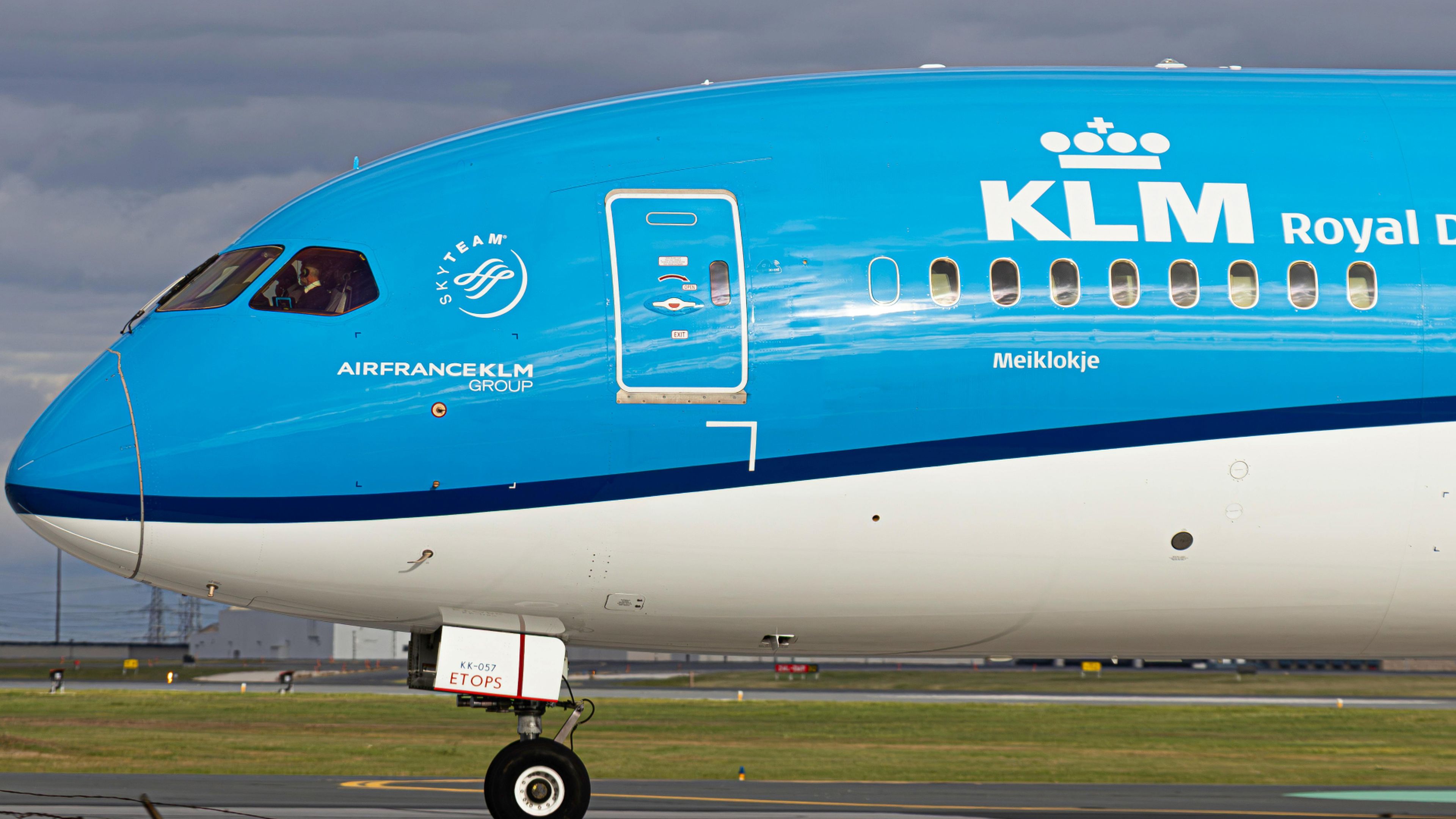

KLM digital product architecture and scalable campaign production system

KLM: AI-driven workflow enabling consistent campaign production across 50+ markets

What performance marketing cannot do

Performance media is good at pulling people towards you. It is less good at holding them. You pay for every click, but you do not own the relationship. Stop spending and the traffic disappears.

That is not a reason to stop running performance campaigns. It is a reason to think carefully about where that traffic lands. If you are driving someone to a landing page that gives them no reason to return, you are paying for a single contact.

A well-built digital product changes that dynamic. It gives people a reason to come back without paying for them every time. That might be a loyalty platform, a community, an app, or an interactive brand experience. The infrastructure for the relationship.

Livewall perspective

Performance marketing brings people to you. A digital product gives them a reason to stay.

Where digital products reduce cost per acquisition

This is where it gets interesting from a budget perspective. Brands that invest in a strong owned digital channel tend to reduce their dependence on paid media over time.

Take a loyalty platform. You might acquire the first members through paid campaigns. But a platform that motivates members to stay active and bring their network in eventually generates its own inflow. Every returning user is one fewer click you need to buy.

We saw this in our work on the Sportvisunie community platform, where a digital product strengthened member connections without paying per reach. And more broadly: the stronger the owned product, the lower the cost per durable relationship.

This is also at the heart of good digital strategy: understanding how a digital product and paid media can reinforce each other gets more out of both budgets.

The short-cycle trap

Performance marketing operates on short cycles, which makes it easy to optimise. You see quickly what works. Digital products operate on longer cycles, which makes them harder to justify in a quarterly planning process.

That difference in time horizon is why digital product investments tend to get squeezed. Not because they are less valuable, but because the payback period sits further out.

What helps is thinking about a digital product as infrastructure rather than a campaign. A campaign has a start date and an end date. Infrastructure accumulates value as long as you maintain and develop it. The AvroTros Eurovision voting app was not a one-off project: it became the foundation for how the broadcaster organises digital audiences around major live events.

How to align the two

Practically, it helps to think in three layers.

Layer 1: Attract. This is where performance media is strongest. Targeted campaigns to relevant audiences, optimised on cost per acquisition.

Layer 2: Retain. This is where a digital product does the work. A reason to come back, a relationship beyond the transaction, an experience that builds over time. Brands that are weak here pay repeatedly for the same user.

Layer 3: Deepen. This is where the two work together. First-party data collected through a digital product makes your performance campaigns more effective. Better targeting, lower costs, higher relevance. This is where web application development and campaign strategy converge into one system.

The brands that do this best build their digital product so that it generates data that makes their paid media smarter. And they build their campaigns so that they feed people into a product worth returning to.

40-60%of campaign budget goes to traffic with no retention layer at many brands
3-5xhigher lifetime value for users with repeated digital product interaction
1 teamcombining strategy, UX, and development significantly shortens the payback period

When to prioritise which

There is no universal answer, but there are useful guidelines.

Prioritise performance marketing when you are entering a new category or market, launching a new product that needs fast reach, or activating a seasonal spike.

Prioritise a digital product when you are paying for the same users repeatedly without owning the relationship, when you have no owned channel beyond social and email, or when customers consistently leave after one purchase for no obvious reason.

Often the answer is: do both, but be honest about which layer is currently weakest. For most established consumer brands, that is the middle layer: retention. They have become skilled at attracting, but they have not built enough infrastructure for the relationship that follows.

At Livewall, we work on both sides: from UX/UI design and platform development to the activation campaigns that bring a product to life.

Livewall

Want to think through how performance media and digital products can reinforce each other?

At Livewall, we look at both sides of the equation. We help you decide where the next investment adds the most value, then build it.

Get in touch with our team

What we do

Livewall builds brand experiences that people actually remember — interactive campaigns, loyalty platforms, digital products, and employer branding for ambitious brands.

Our work

We've worked with HEMA, Stabilo, Wehkamp, Efteling, 9292 and many others. Every project starts with the same question: what would make someone actually want to do this?

Talk to us

Working on something similar? We'd love to hear about it.

Contact Livewall →