


livewall
← All articles
Digital Products8 February 2026·Livewall

How to structure a product roadmap for a brand platform

Brand platforms need to grow without becoming bloated. Here is how to prioritise features, manage stakeholder expectations, and keep the roadmap connected to real user behaviour.

digital-productsweb-appsux

A brand platform is never finished. That sounds frustrating, but it is actually the most useful framing for building a roadmap. You are not building toward an endpoint. You are building toward the next version. The question is which version.

At Livewall, we regularly work on platforms that have stalled. Not because of poor technical foundations, but because the roadmap was built around what made sense internally rather than what users actually do. Stakeholders want features. Marketing wants campaign hooks. Product teams want scalability. Meanwhile nobody is systematically tracking where users drop off.

A good product roadmap for a brand platform does not start with a wishlist. It starts with three questions: what behaviour do you want to drive? What is currently blocking that behaviour? And what is the smallest step that delivers the most impact?

Livewall perspective

A roadmap that is not grounded in user behaviour is just a wishlist with a timeline.

From wishlist to priority matrix

Most brand platforms start with ambitions that outrun the available budget and capacity. That is fine, as long as you have a principled way to choose.

We use a simple matrix. One axis is the impact on the behaviour you want to drive. The other is the effort to build. Features in the high-impact, low-effort quadrant go first. That sounds obvious, but in practice roadmaps are too often driven by what is asked for loudest rather than what delivers most.

A second filter is whether a feature removes a barrier users currently experience, or adds something they do not yet know to want. Barrier-removing features almost always win. Users need to do what they already want to do with minimal friction before you can introduce new behaviours.

With Sportvisunie we saw this directly. The platform connects thousands of anglers across the Netherlands, but the first priority was not adding new features. It was removing friction from the most-used flows so that members returned more easily and more often.

Managing stakeholder expectations

One of the hardest parts of roadmap management is not technical. It is organisational. Every department has interests. Every quarter brings new priorities. Without a clear structure for justifying decisions, the roadmap becomes a sum of compromises rather than a product strategy.

What works is separating three levels. The first is strategic direction: what do you want the platform to be in two years? This rarely changes. The second is quarterly priority: what are we building now, and why this specifically? This is determined by usage data and business goals. The third is sprint planning. That is execution, not strategy.

Stakeholders can freely shape the first level. They can provide input on the second. But if a request does not connect to the strategic direction and cannot be backed by usage data, it goes on the backlog, not the roadmap.

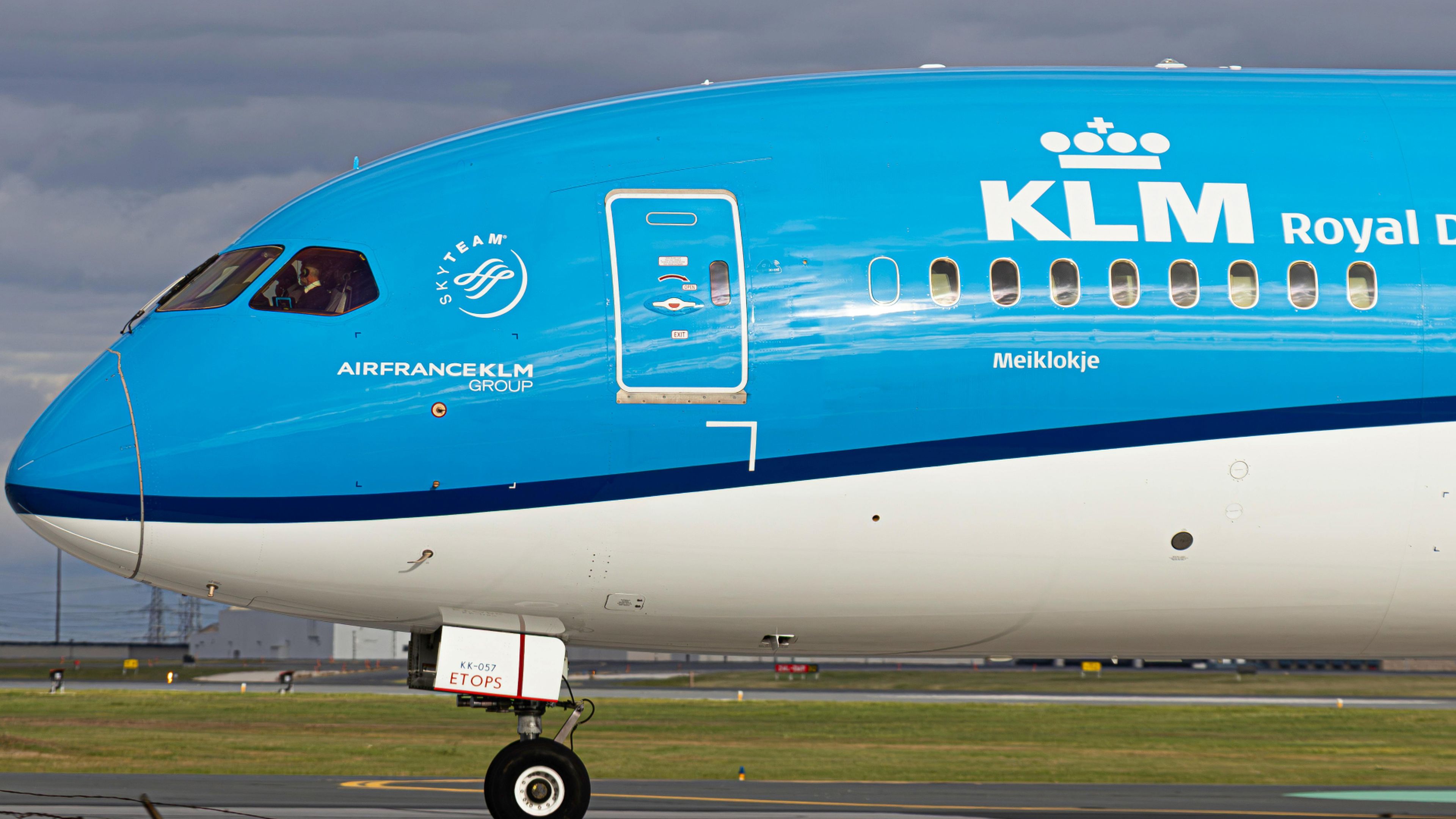
KLM and Livewall built a system together to make campaign production scalable across more than fifty markets. The key was not building more features, but getting one core right and making it repeatable. That requires a roadmap that consciously grows slowly in breadth while deepening quickly in quality. See how we approached it in the KLM scalable growth case.

KLM scalable growth case by Livewall

Scalable campaign production for KLM across more than fifty markets.

Staying connected to user behaviour

The most common mistake we see is that roadmaps are created at the start of a project, approved, and then rarely tested against what users actually do. Six months in, the assumptions from day one no longer hold, but the roadmap does.

A healthy roadmap has a fixed cycle of measuring, interpreting, and adjusting. Not once a year, but every quarter. For that you need three things: quantitative data on usage (where do users drop off, what gets used more than expected), qualitative insight (user tests, direct feedback), and a team willing to abandon an assumption when the data calls for it.

With the AvroTros Eurovision Voting App we saw how user behaviour during a live event could diverge completely from pre-launch assumptions. Quiz functionality that was planned as a secondary feature turned out to be among the most-used parts of the app. That kind of insight is only useful if your roadmap is flexible enough to respond quickly.

The feature factory trap

Brand platforms get bloated. Not from bad intentions, but from the accumulation of good ideas that are never retired. Every feature you add must also be maintained, documented, and explained to new users. At some point, the platform costs more energy to manage than it returns.

The remedy is a roadmap that actively removes features too. Every six months you should look at what is barely used, what content is not read, and what can be removed without anyone noticing. Simplification is a product strategy, not a failure.

This applies directly to UX/UI design as well. A platform that offers too many options forces users to make decisions they would rather not make. Fewer choices, offered at the right moment, drives more of the behaviour you want.

Connecting the roadmap to commercial goals

A product roadmap is ultimately a business document. Every feature costs time and money to build. Every feature left unbuilt has indirect costs too. The question is whether your investments show up in measurable commercial outcomes.

For brand platforms those outcomes typically fall into three types: more return visits, more conversion toward transaction or registration, and richer behavioural data that feeds campaigns and personalisation.

In brand platform development, what matters is not just what you build but how you measure whether it works. Define for each feature or functionality block which goal it supports and how you will track it. Only then does a roadmap become a steering instrument rather than a list of things to do.

Q1-Q2best period to calibrate the roadmap against the previous year's usage data
3 levelsstrategic direction, quarterly priority, and sprint planning for clear stakeholder alignment
6 monthsrecommended review cycle for actively retiring unused features

Livewall

Ready to structure your brand platform roadmap?

Whether you are building a new brand platform or evolving an existing one, Livewall combines product strategy, UX, and development in one team. We help you build based on what users actually do, not what gets asked for loudest internally.

Get in touch with our team

What we do

Livewall builds brand experiences that people actually remember — interactive campaigns, loyalty platforms, digital products, and employer branding for ambitious brands.

Our work

We've worked with HEMA, Stabilo, Wehkamp, Efteling, 9292 and many others. Every project starts with the same question: what would make someone actually want to do this?

Talk to us

Working on something similar? We'd love to hear about it.

Contact Livewall →