livewall
← All articles
Engagement30 January 2026·Livewall

How to measure the real value of a brand activation

Reach and impressions tell you very little about whether a brand activation actually worked. Here is a measurement framework built around the behaviours that matter.

campaignsbrand-activationgamification

Most brand activations are evaluated on reach, impressions and occasionally clicks. Those are the easiest numbers to report. They are also the least useful.

Reach tells you how many people saw your activation. It says nothing about what they did next. And behaviour is the only thing that has commercial weight.

At Livewall, we measure brand activations using a four-level framework. From surface-level visibility to demonstrable brand preference. Each level builds on the one before it. And each level gives you better information for what you do next.

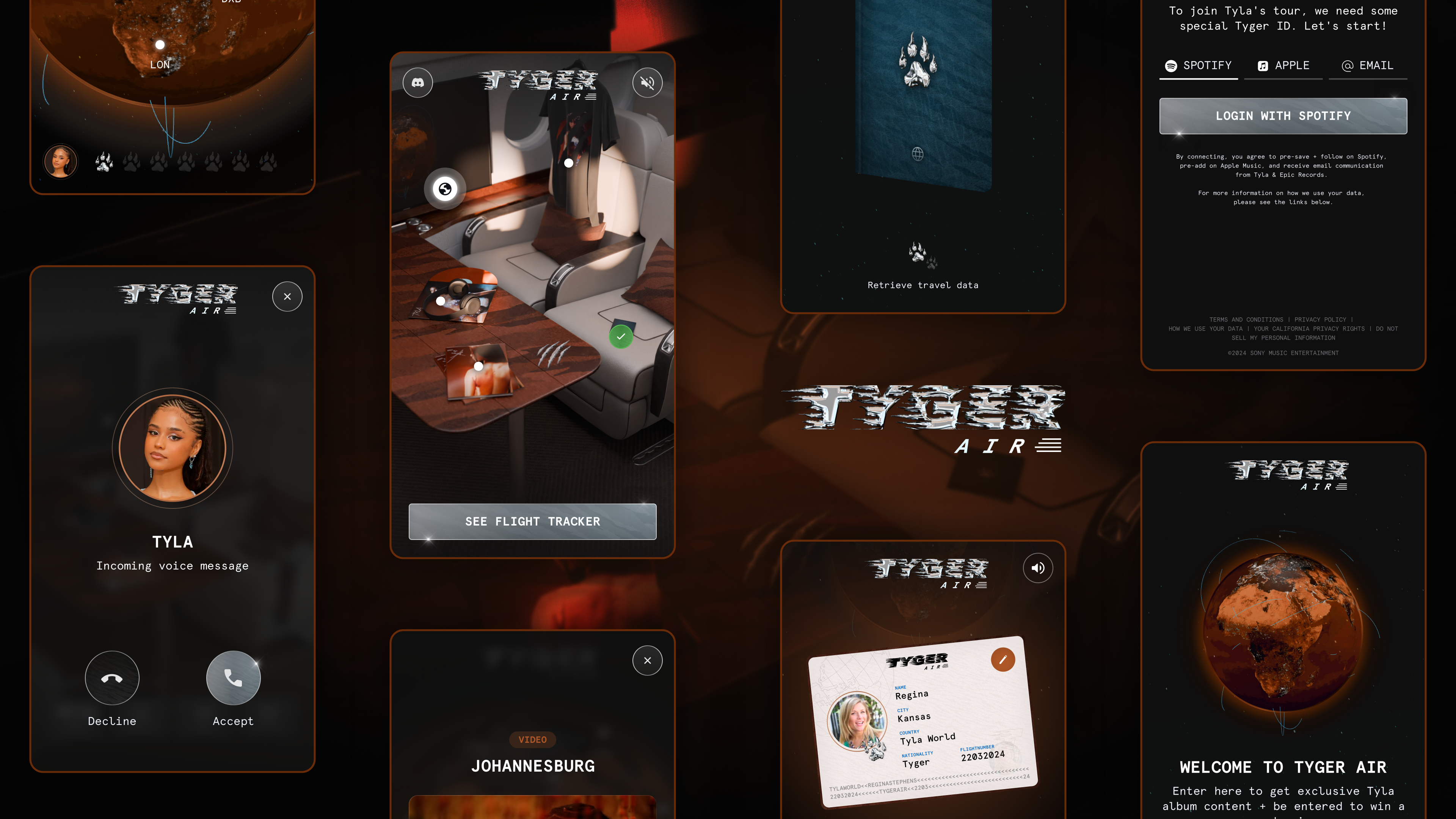
Tyger Air fan experience campaign by Livewall

Tyger Air: an immersive fan experience where brand engagement was measured at every level.

Level 1: Reach and attention

Reach is a starting point, not an endpoint. It tells you whether the activation was visible enough to have a chance. But reach without attention is wasted budget.

Attention is measured differently. Look at average session duration, the percentage of people who actually completed the activation, and the moment at which people drop off. Those three figures together give you a much more honest picture than raw reach numbers.

What you want to see here: A meaningful share of visitors takes more than one action. If most people leave within ten seconds, you had an attention problem. Not a reach problem.

Level 2: Participation and activation

Participation is the first real behavioural signal. Someone who actively participates in an activation has made a choice. That is fundamentally different from someone who happened to scroll past it.

Interactive campaigns earn this because participation is baked in. You cannot passively play a game or complete a challenge. Participation rate, completion percentage and return frequency are the three core metrics here.

For the Decathlon Game, we saw more than half of participants complete the full experience flow. That is strong brand engagement evidence sitting well above standard campaign benchmarks.

Level 3: Data and intent

This is where brand activations start to demonstrate their commercial value. When someone participates in an activation and shares information about themselves, their preferences or their intentions, you have something worth significantly more than a click.

First-party data mechanics make it possible to collect this naturally. Not through a form people fill in because they have no other choice, but through an experience that draws them into participation.

Look at:

  • The percentage of participants who voluntarily shared preference signals
  • The quality of data points collected (specific and actionable vs. generic)
  • Conversion of participants to the next step in the funnel

For HEMA Stapelgek, we saw a significant share of players flow from the activation directly into repeat app behaviours. That link between campaign participation and downstream behaviour is the clearest evidence that an activation has done its job.

Level 4: Brand preference and loyalty

The hardest level to measure is also the most valuable. Did the activation change how people think about the brand, or how they behave after the campaign ends?

Brand preference is measured through brand lift studies, pre- and post-campaign research, or by comparing purchase behaviour between participants and a control group. The last approach is the most rigorous but requires a proper test design.

Loyalty behaviour is tracked by looking at repeat purchases, app retention or return visits to the activation itself. With gamification, this works particularly well because the mechanics themselves drive return. The game is the habit loop.


Livewall perspective

Reach tells you how many people saw your activation. Behaviour tells you what it was worth.

longer session duration in interactive activations vs. passive campaigns
68%of gamification participants return within seven days
more usable first-party data points via participatory mechanics

Putting the framework together

The four levels are not independent. They stack. High reach without participation is advertising. Participation without data is entertainment. Data without brand effect is market research.

A good brand activation moves people through all four levels. And each level needs to be measured with the right indicators.

What this means in practice:

Set measurement targets per level before the activation goes live. Not as a formality, but as a real compass. What is the minimum participation rate you would call a success? Which data points do you need to have collected? What is the expected impact on repeat purchase behaviour?

If you cannot answer those questions before launch, there is a good chance you will not have answers after it either.

At Livewall, we begin every activation project with a measurement plan. Not as an appendix added at the end, but as the foundation of the concept. The mechanics of the activation are partly chosen based on what you need to be able to measure.

Livewall

Want to know if your brand activation actually worked?

At Livewall, we start with the measurement plan, not the concept. Get in touch and we will show you how we apply the framework to your situation.

Get in touch with our team

What we do

Livewall builds brand experiences that people actually remember — interactive campaigns, loyalty platforms, digital products, and employer branding for ambitious brands.

Our work

We've worked with HEMA, Stabilo, Wehkamp, Efteling, 9292 and many others. Every project starts with the same question: what would make someone actually want to do this?

Talk to us

Working on something similar? We'd love to hear about it.

Contact Livewall →