


livewall
← All articles
Digital Products25 April 2026·Livewall

How to design a sports community platform that goes beyond results and tables

Sports communities are built on identity, not just information. Here is how to design a platform that serves the social and emotional needs of a sports audience alongside the practical ones.

digital-productscommunityweb-apps

Any spreadsheet can track a league table. Any off-the-shelf app can publish results. Yet sports organisations keep launching platforms that do exactly that and then wonder why no one comes back.

The problem is not the technology. It is the starting point. Most platforms are built from the supply side: what does the organisation have to share? A good sports platform starts somewhere else entirely. It starts with what a member feels, wants to share, wants to find again, and why they will log in again tomorrow.

At Livewall, we design and build community platforms for sports organisations and brands. What we find every time: the platforms that work are not the most information-rich ones. They are the platforms that build identity, connection, and ritual alongside the content.

Livewall perspective

A sports fan does not log in for the table. They log in because they want to belong somewhere.

Start with the emotional layer

Sport is about loyalty, pride, and sharing a moment with people who feel the same thing. A platform that only delivers results misses that layer completely.

The emotional layer is made up of a few concrete elements.

Identity: Let people show who they are as a sports member. A profile that reflects their sporting history, their club, their level, or their favourite route acts as an anchor. It is not purely functional. It is expressive.

Ritual: Daily or weekly recurring moments give people a reason to return. This does not have to be complex. A match prediction before the next round, a weekly question to the community, a leaderboard of the most active members. Small mechanisms like these build habits.

Shared memory: Archives, highlights, historical results, photos from matches members attended. People stay connected to a platform that holds their own history.

Design for participation, not consumption

Most content platforms assume users consume. Sports communities work differently. Members want to contribute. They want to voice an opinion on a team selection, share knowledge, post a result, or respond to someone else.

A platform that only reads is not a community. It is a newsletter with a login screen.

Build participation moments into every stage of the user journey. On a match page: let members leave a prediction. On a member profile: let others respond to posted training results. In a news section: give members the ability to submit their own stories. Each of these moments increases engagement and raises the probability that someone returns.

When we work on web application development for community contexts, we always think carefully about the ratio of active to passive usage moments. That ratio largely determines whether a platform lives or slowly fades.

3xmore returning visitors on platforms with participation mechanics
68%of users return when a social profile is tied to the platform
4xhigher session duration when members can actively contribute

Think in layers: informational, social, and competitive

A well-designed sports platform contains three functional layers that work together.

The informational layer is what most platforms already do reasonably well: results, tables, fixtures, news. Necessary, but not differentiating.

The social layer is where connection happens. Member profiles, discussion groups, direct messages, reactions to content, user-generated stories. This is the layer that binds people to the platform, not just to the content.

The competitive layer adds tension and motivation. Leaderboards, badges, member challenges, seasonal activations. This layer makes participation feel worth something. We see this work well in engagement contexts too: in the Feyenoord Play by Unive campaign, competitive mechanics drove a meaningful lift in repeat visits and active participation.

The common mistake is that organisations skip the competitive layer, or forget the social layer altogether. Both are essential for a platform that sustains itself over time.

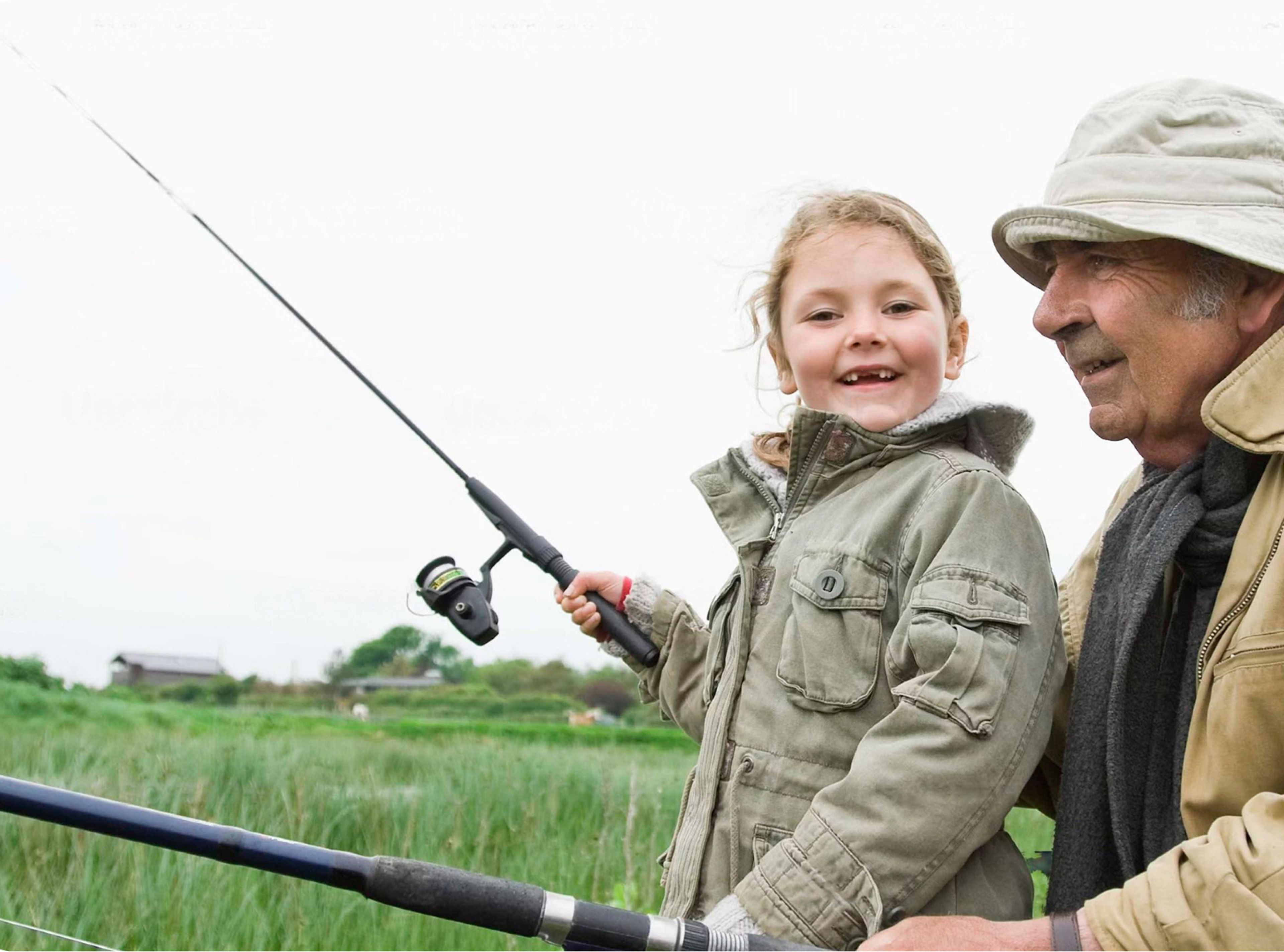
Sportvisunie community platform overview

The Sportvisunie platform connects anglers through knowledge sharing and community tools.

Build ownership into the design

Most sports platforms are owned by the organisation. That is natural. But the most successful platforms make members feel ownership too.

This goes beyond a personal profile. It is about influence. Let members vote on the best player of the month. Let them nominate content. Give active contributors a visible status that others can see. Build an ambassador role for the most engaged members.

This creates what we call a status economy inside the community. People invest more time in a platform when their contribution is visible and recognised. The mechanism is not new, but it is rarely designed intentionally in sports contexts.

The AvroTros Eurovision Songfestival Voting App showed this in a media community context: 141,000 users actively rating performances, forming friend groups, and competing in quizzes. Social ownership was a deliberate design decision, not a byproduct, and it took the app to number one in the store.

Mobile-first is not a choice, it is a requirement

Sports communities live on the phone. Before, during, and after matches. On the sofa, in the changing room, on the pitch. A platform that does not work smoothly on mobile simply does not work.

This means more than a responsive layout. It means core tasks are achievable in three taps. That notifications are relevant and not intrusive. That load times are acceptable on mobile connections. That push notifications choose the right moments: a strong match result, a reply to a posted comment, a challenge from another member.

In our UX/UI design work we always start from the mobile usage pattern, not as a constraint but as a design discipline. What works on mobile works everywhere.

The technical foundation determines the ceiling

A community platform is not a website with a forum bolted on. It is a system with multiple user roles, permission structures, notification logic, moderation tools, content feeds, and integrations with external data sources like competition APIs or membership databases.

The architectural decisions made early on determine what you can build later. A platform built on a generic CMS lacks the flexibility to support platform-specific behaviours over time. The platforms we build at Livewall are purpose-built, from the data structure to the front end. Not because we prefer complexity, but because sports communities have specific requirements that off-the-shelf solutions rarely meet in full.

Scalability matters here too. A platform that handles a thousand members well must also run smoothly at a hundred thousand. Community platform development done right accounts for this from day one, not as an afterthought when growth creates problems.

Livewall

Build a sports platform that actually lives

At Livewall we design and build community platforms that go well beyond information delivery. If you are thinking about community platform development for a sports organisation or sports brand, we are happy to talk about what your members actually need.

Get in touch with our team

What we do

Livewall builds brand experiences that people actually remember — interactive campaigns, loyalty platforms, digital products, and employer branding for ambitious brands.

Our work

We've worked with HEMA, Stabilo, Wehkamp, Efteling, 9292 and many others. Every project starts with the same question: what would make someone actually want to do this?

Talk to us

Working on something similar? We'd love to hear about it.

Contact Livewall →