

A community is not a target audience. That sounds obvious, but most platforms are designed exactly that way: as if users are a homogenous mass who all want the same content. Niche communities work differently. They have their own language, their own hierarchy, their own rituals. When a platform doesn't know those things, it feels wrong immediately.
At Livewall, we build community platforms for brands and organisations that understand engagement is more than page views. The difference between a platform that thrives and one that dies is rarely the technology. It is the decisions you make before you design a single screen.
Start with ethnography, not a sitemap
The first question is not: what features does this platform need? The first question is: how does this community behave right now? Where do they gather? What is their internal language? Who has status, and why?
The answers determine the architecture. A community around sport fishing has different needs from one around cosplay, or one around technical diving. Generic features like forums and likes are a starting point, rarely enough. You have to build the community's rituals directly into the product.
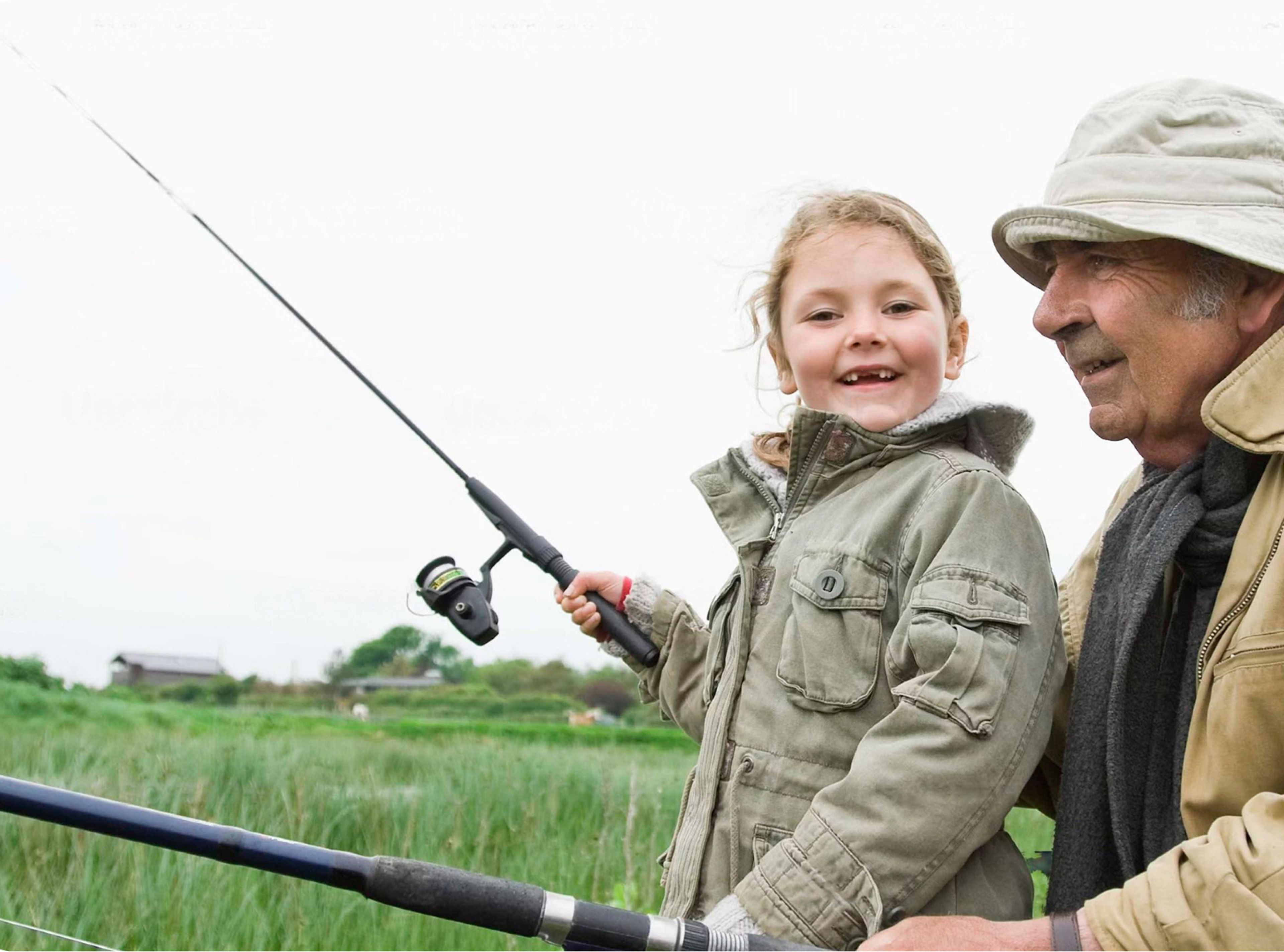
For Sportvisunie, we built a digital community platform for anglers in the Netherlands. Fishers are used to sharing catches, protecting locations, and exchanging knowledge on their own terms. The platform had to respect those social norms: knowing when to share information, when not to, and how reputation is built within the group. If the platform had ignored that dynamic, it would never have been used.