livewall
← All articles
Employee Experience10 May 2026·Livewall

How to design a peer recognition programme that actually gets used

Peer recognition tools get implemented and ignored. Here is how to design the social mechanics, visibility, and rewards that make employees genuinely want to recognise each other.

gamificationhr-techemployer-branding

Most peer recognition programmes fail not because of budget or tooling. They fail because they are designed as an HR process rather than a social experience.

Employees only use a recognition system when it feels like something they want to do. Not because their manager expects it. Not because it sits in a KPI. Because it is easy, visible, and carries real social value.

At Livewall, we design employer brand campaigns and digital employee experiences for large consumer brands. We see the same pattern repeatedly: the intent behind the programme is right, but the social mechanics are missing. This article explains how to fix that.

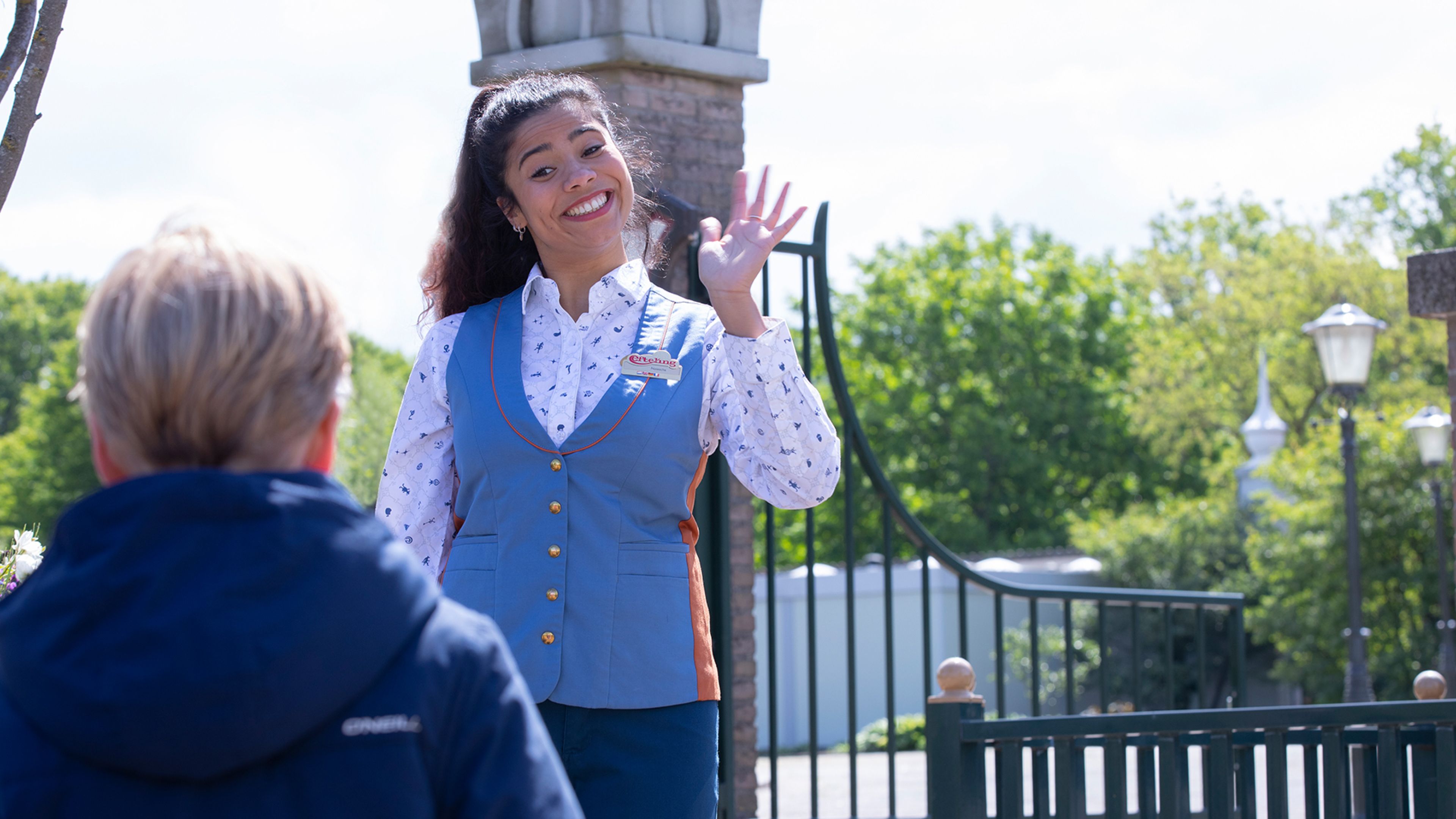
Efteling employer branding recruitment platform for employee engagement

For Efteling, we built a recruitment platform that brings the culture behind the scenes to life.

The core problem: recognition as obligation

Most tools ask employees to fill in a form, send a badge, or type a message in a portal. That sounds simple, but it feels like work. Extra work on top of everything already on the agenda.

The result is predictable. Usage spikes around launch, then drops to a steady core of five percent of employees who keep the system alive. The rest forget about it or see no reason to engage.

The design question you need to ask is not 'how do we build a system for recognition?' It is 'why would an employee do this on a regular Tuesday?'

Livewall perspective

A peer recognition programme only gets used when it feels social, not administrative.

The three pillars of good design

1. Visibility is the engine

Recognition only works when others see it. A message that disappears into a private inbox has minimal effect. Recognition that surfaces in a team feed, on an intranet wall, or in a weekly digest creates positive social pressure.

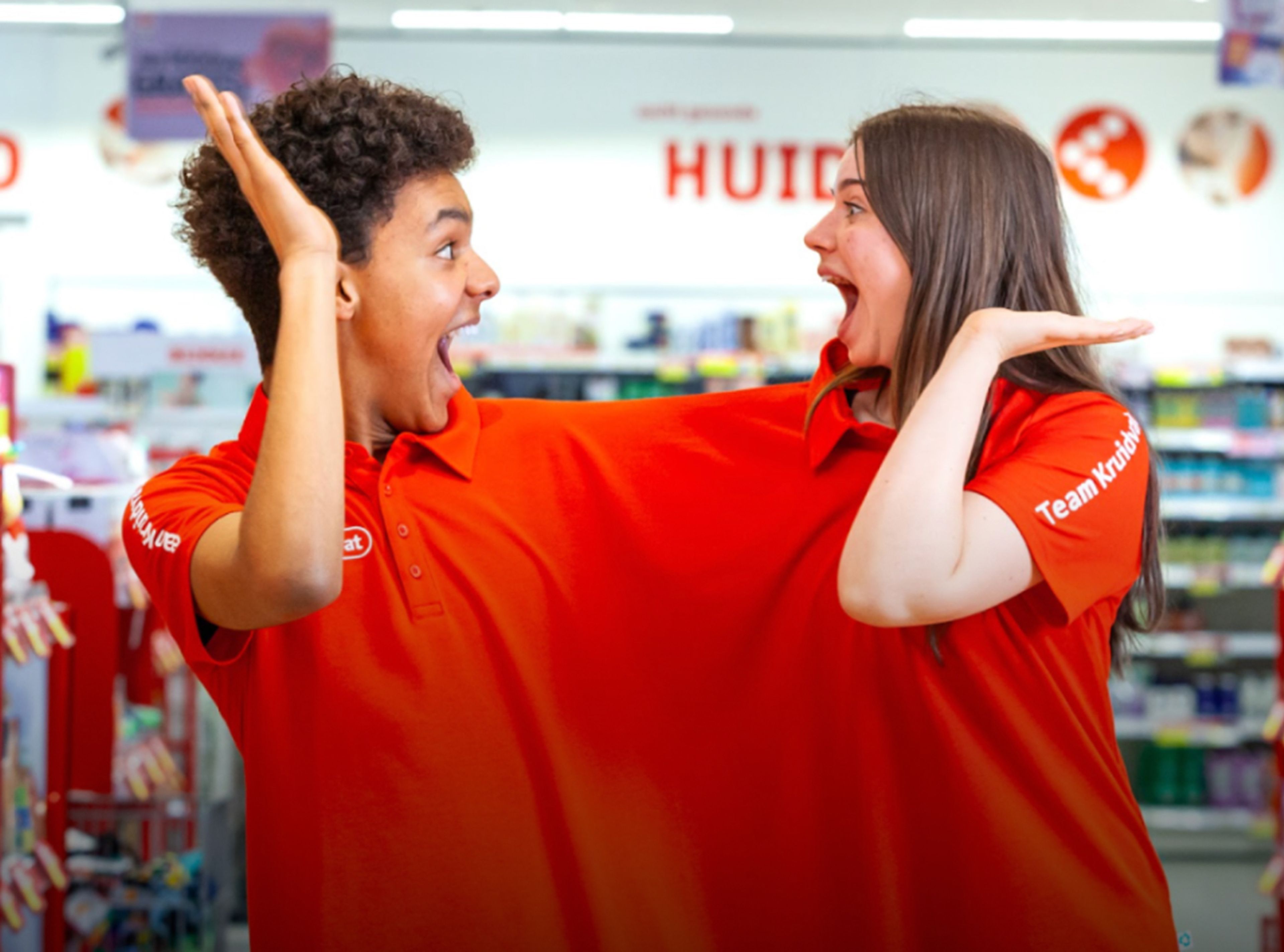
In the Kruidvat Vriendenteam campaign, we used exactly this principle: the social aspect of applying together was made visible, which made participation contagious. The same mechanic applies to internal recognition.

Make recognition visible in the places employees already are. Not in a separate system they have to seek out.

2. The friction needs to be near zero

If sending recognition takes longer than thirty seconds, most people will not bother. Design for the fastest path. One click, a handful of preset options, an optional short personal note. Done.

It is not about elaborate praise. It is about frequency. Small, frequent recognition builds a stronger culture than rare, grand award ceremonies.

3. Tie recognition to real values, not vague categories

Badges labelled 'team player' or 'hard worker' feel generic. Tie recognition to specific behaviour that reflects your actual culture and brand values. That makes recognition more credible and helps employees understand what genuinely matters in your organisation.


5%of employees actively use a recognition system after launch when the social layer is missing
3xhigher participation when recognition is visible in existing team channels rather than a separate portal
40%of employees cite feeling unrecognised as a reason they consider leaving a company

Gamification: the right kind

Gamification in peer recognition works when it rewards the behaviour you want to see. Not when it turns into a competition to collect the most badges.

Good gamification mechanics for recognition programmes:

  • Streaks: reward people who consistently recognise others, not just those who receive the most recognition.
  • Collective goals: when a team hits a shared target (say, 50 recognitions in a month), everyone benefits. This encourages mutual support rather than rivalry.
  • Surprise rewards: an occasional unexpected reward for someone who has recognised peers lifts motivation without saturating the system.

In our gamified learning work for clients including McDonald's, we see that this variable reward structure keeps participation high over time. The same principle holds for peer recognition.

Employee advocacy starts internally

A strong peer recognition programme has a direct effect on employee advocacy. Employees who feel genuinely recognised talk positively about their employer more often, both internally and externally. They share experiences on LinkedIn, recommend the company to friends, and become passive recruiters without even thinking about it.

This is not a side effect. It is the core reason peer recognition matters strategically, not just for HR but for marketing and communications too.

At Livewall, we design programmes that connect the internal employee experience to external brand perception. When employees are proud of their workplace and that pride becomes visible, it is the most powerful form of employer branding that exists.

What most programmes forget: maintenance

A peer recognition programme needs new energy periodically. Introduce seasonal challenges, tie recognition to company events, or launch themes aligned with that quarter's business priorities.

Without variation, the system becomes predictable and loses its social charge. Small adjustments at the right moment keep it fresh.

When you launch, plan three to six months of content and mechanic variations upfront. Not as an obligation but as part of your communications calendar.

Summary: the design framework

  1. Build visibility into existing channels
  2. Make the friction as low as possible
  3. Tie recognition to real values and specific behaviour
  4. Use gamification that encourages collaboration, not competition
  5. Plan variation and maintenance from the start
  6. Measure frequency, not just volume

Livewall

Want to build a peer recognition programme that employees actually use?

At Livewall, we design employee experiences that work with how people actually behave, not how HR processes are structured. Get in touch to talk about what we can build for your organisation.

Get in touch with our team

What we do

Livewall builds brand experiences that people actually remember — interactive campaigns, loyalty platforms, digital products, and employer branding for ambitious brands.

Our work

We've worked with HEMA, Stabilo, Wehkamp, Efteling, 9292 and many others. Every project starts with the same question: what would make someone actually want to do this?

Talk to us

Working on something similar? We'd love to hear about it.

Contact Livewall →