The four building blocks of a sports activation
1. A mechanic that fits the moment
An activation around a live match works differently from a season-long campaign. At a live moment, you want energy and speed: predictions, live challenges, instant feedback. For a longer campaign, you want to build repeat behavior, something fans return to every week or every matchday.
Choose a gamification mechanic that fits the rhythm of the sport. Competition works well in sports because fans are already conditioned to win-lose dynamics. Collection works when there is pride attached to it: squad cards, player collections, badges earned.
2. Connection to real sports moments
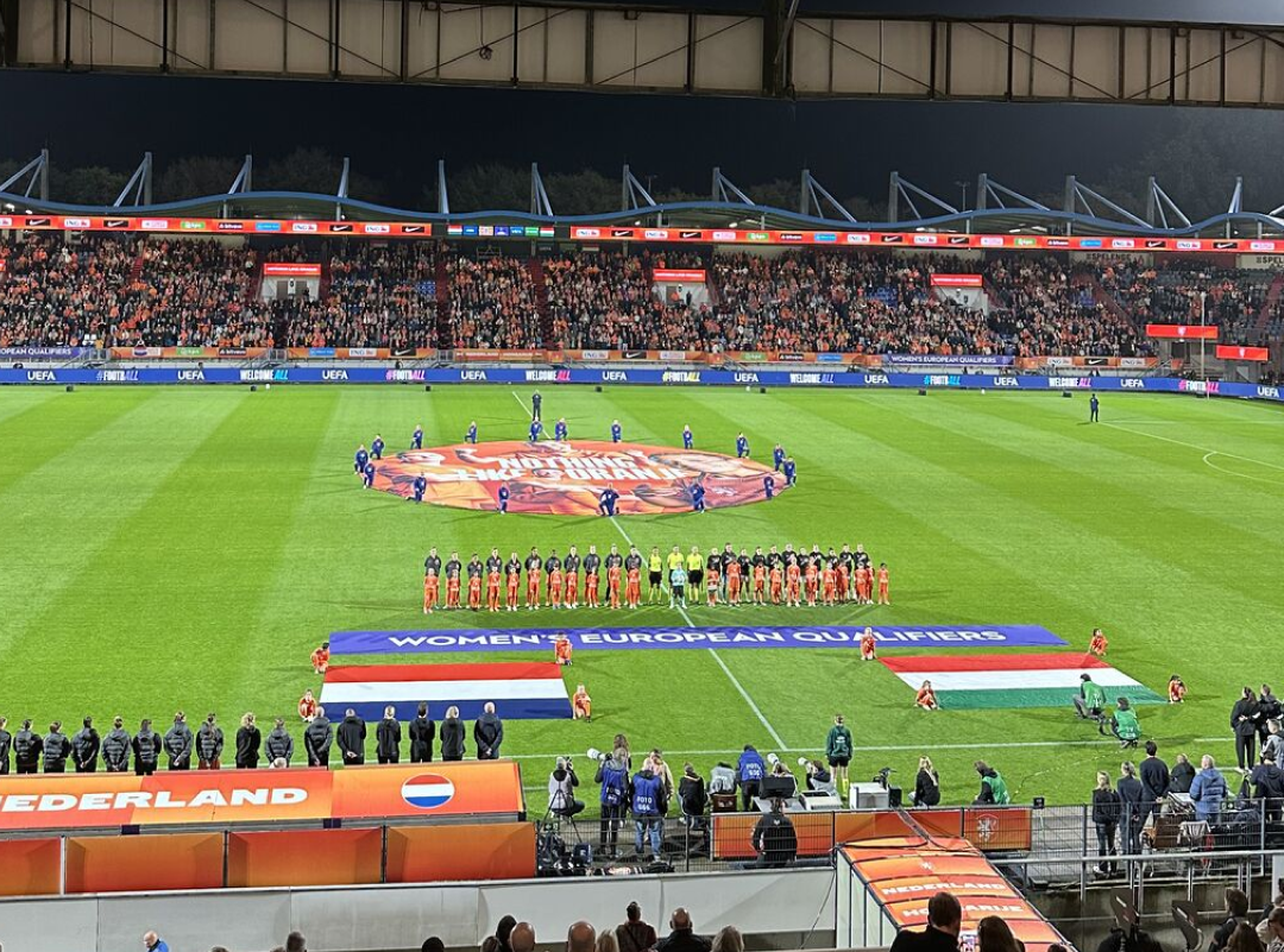
The activation needs to breathe with the sport. If your brand sponsors a football club, your peaks are around matches, transfer windows, and championships. Plan your activation cycle around those moments.
Heineken did this well with their Player 0.0 campaign with Max Verstappen: the activation was rooted in the F1 calendar and tied to real race weekends.
3. Social sharing as a design goal
A good sports activation spreads itself. Build social sharing into the design, not as an afterthought but as a core feature. Scorecards, leaderboards, results that fans are proud of, something they want to show others.
Make sure the shareable result says something about who the fan is. 'I predicted the top scorer of the season' or 'I finished in the top 5% of all participants' has far more value than 'See my score'.
4. First-party data as a business case
A sports activation is also an opportunity to collect fan insights that your CRM does not have. Favourite players, predicted outcomes, preferred playing style. Through first-party data mechanics, you can collect those insights in a way fans find enjoyable, because they get something back in return.