


livewall
← All articles
Digital Products7 January 2026·Livewall

How to build a digital product that users actually return to

Most digital products are designed for first use. The products that grow are designed for the return visit. Those are very different design problems.

digital-productsweb-appsux

Launch day is not the hard part. Most teams can ship a product that someone opens once. The problem is session two. Session five. The moment a user chooses to come back when nothing is forcing them to.

At Livewall, we see it repeatedly: products that work well technically, look clean, and still bleed users within weeks. Not because the product is bad. Because it was never designed for return.

That takes a different approach. Not more features. Not a better colour palette. A deliberate digital product strategy that treats the return visit as the primary design constraint.
Livewall perspective

Designing for first use is engineering. Designing for return is behavioural design. Most teams only do the first.

What actually drives return

Users do not come back because you want them to. They come back because the product does something that makes their life easier, more enjoyable, or more valuable. That needs to be built in, not hoped for.

A few mechanisms consistently drive return behaviour:

Visible progress. If a user has built something, returns, and sees it still there, there is a reason to continue. That might be a streak, a balance, a level, or simply a profile that has been filled in.

Variable reward. Not every session needs to be a highlight, but occasional surprise keeps users engaged. This is one of the most well-documented mechanisms in behavioural science.

Social presence. When others can see what you do, or you can see what others do, there is social reason to stay. Not overdone, but present.

Useful notifications. Re-engagement messages only work when they mean something. A message that says "We miss you" does nothing. A message that says "You have 3 points to earn today" gives a reason to open.

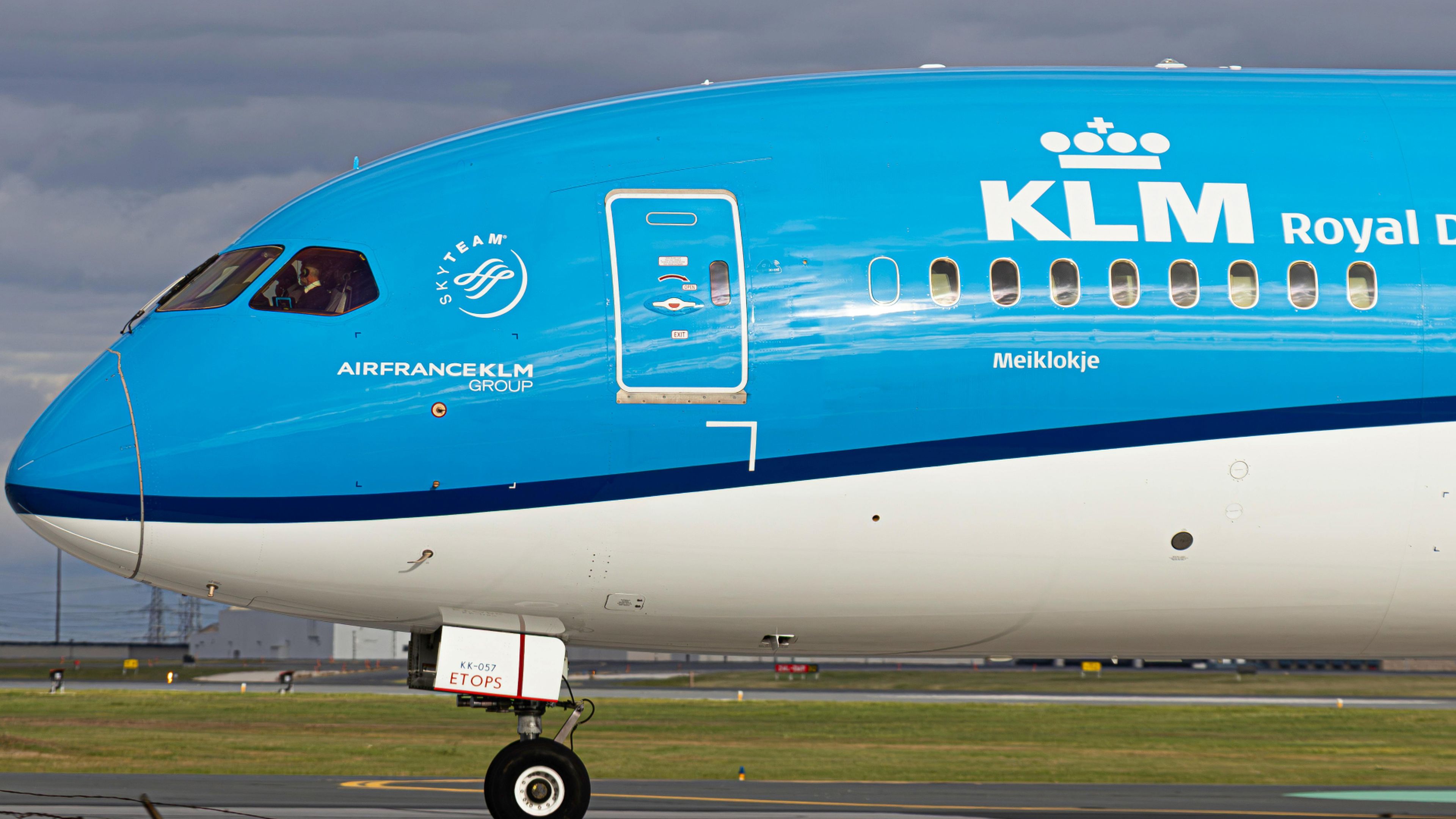
KLM digital product strategy for scalable growth across global markets

For KLM we built a system that made campaign production scalable across 50+ markets.

Onboarding is return in miniature

The first session is really a rehearsal for the second. If someone closes their first session feeling like they accomplished something, the probability of return increases substantially.

At Livewall, we build onboarding as activation, not explanation. Not "here is how the product works", but "here is your first win". That distinction sounds minor but has a material impact on activation rates.

A strong onboarding moment gives the user three things: orientation (do I know where I am?), value (have I already received something?), and commitment (have I filled in something that makes this product feel like mine?).

Without that commitment, the product evaporates the moment the window closes.

Loyalty is behaviour, not feeling

Brands often believe users return because they love the brand. That is rarely accurate. Users return because the product has become a habit, or because something concrete is waiting for them.

The McDonald's Spain MyMcDonald's World is a strong example: a 3D world inside the app with mini-games, characters, and seasonal areas. The app became a destination in itself, not just an ordering tool. Users returned for the experience, not the discount.

The mechanic is straightforward: give people a reason to open the app that has nothing to do with a transaction. If they open it for enjoyment, they will open it for the transaction too. Sequence matters.

This is also why gamified loyalty works well when executed properly. Not as a trick, but as a structure that builds return behaviour directly into the product.

141Kusers on the AvroTros Eurovision app, which reached number one in the App Store
50+markets served through the KLM scalable campaign system
3xhigher return rate when products make progress visible and persistent

The difference between sessions and habits

A session is a one-off. A habit is structural. That distinction lives in the design.

Products that build habits share a few traits. They fit into an existing routine rather than demanding a new one. They give fast feedback. They build something worth protecting.

When we built the AvroTros Eurovision Songfestival Voting App, the goal was not just voting. It was building a social ritual. Friend groups, quizzes, live scoring. Not a single transaction, but a layered experience that made return logical throughout the entire event. The app reached number one in the Dutch App Store.

That is what good UX/UI design does at its best: not guiding users toward what you want, but designing behaviour that feels logical to them.

Community elements help significantly. When other users are present in the product, there are social reasons to come back. The Sportvisunie platform demonstrates this well: a digital community where anglers share knowledge and stay connected. The platform is the reason for return, not just the tool.

When functionality is not enough

Some products do exactly what they promise and still lose users. That is frustrating, but it has an explanation.

Functionality answers a question. But users need to keep having the question. Once the product solves it and offers nothing more, return stops.

The answer is not to add more features. It is to build a reason for return that exists independently of the primary function. That might be gamification, but it could equally be a community layer, a personal dashboard, or a well-designed notification strategy.

At Livewall, we think about this during the strategy phase, not after the product goes live. Web application development starts for us with one question: why would someone open this product again tomorrow? If we cannot answer that well, we build back into the design before we build forward into the code.

Livewall

Build a product people keep coming back to

At Livewall we design digital products with return behaviour as the starting point, not an afterthought. Strategy, design, and development in one team.

Get in touch with our team

What we do

Livewall builds brand experiences that people actually remember — interactive campaigns, loyalty platforms, digital products, and employer branding for ambitious brands.

Our work

We've worked with HEMA, Stabilo, Wehkamp, Efteling, 9292 and many others. Every project starts with the same question: what would make someone actually want to do this?

Talk to us

Working on something similar? We'd love to hear about it.

Contact Livewall →