


livewall
← All articles
Digital Products13 May 2026·Livewall

How AI is changing the economics of digital product development

AI doesn't just speed up development. It changes which products are now viable to build, and for whom. Here's what that means for marketing and product teams.

digital-productsweb-apps

Five years ago, the bar for a serious digital product was high. A custom platform meant six to twelve months of delivery time, a significant budget, and a team of specialists. That meant only large brands with large budgets could invest in something built specifically for them. Everyone else made do with generic SaaS tools.

That calculation no longer holds.

AI in product development changes more than speed. It shifts the threshold of what is financially viable to build. Products that used to take a year can now be built in weeks. Products that were only accessible to the top ten players in a sector are now within reach for a far wider group of brands.

At Livewall, we see this every week. We work on MVP development for brands that previously never considered building a custom digital product. Not because it is free now, but because the relationship between investment and return has fundamentally changed.

Livewall perspective

The question is no longer whether you can afford a custom digital product. The question is whether you can afford not to build one.

What is actually changing

AI in product development is not about replacing developers. It is about eliminating the slow, repetitive layer in every project: boilerplate code, standard components, test scenarios, technical documentation.

A senior developer who used to spend two weeks setting up the foundation of an application now has that foundation in a day. That means the same team can build more in the same time, or build the same thing for less money.

For brands, this has three concrete implications:

1. Shorter time to validation. You no longer need to wait six months to find out if an idea works. A functional prototype can exist in days. Real users can test it before any large investment is committed.

2. Lower entry threshold. The minimum budget required to build a serious custom product has dropped significantly. That pulls a different class of products into the reachable range: niche tools, community platforms, campaign apps that simply could not exist before.

3. More iterations within the same budget. Where you used to have one big release, you can now test, learn, and adapt faster. That produces better products, sooner.

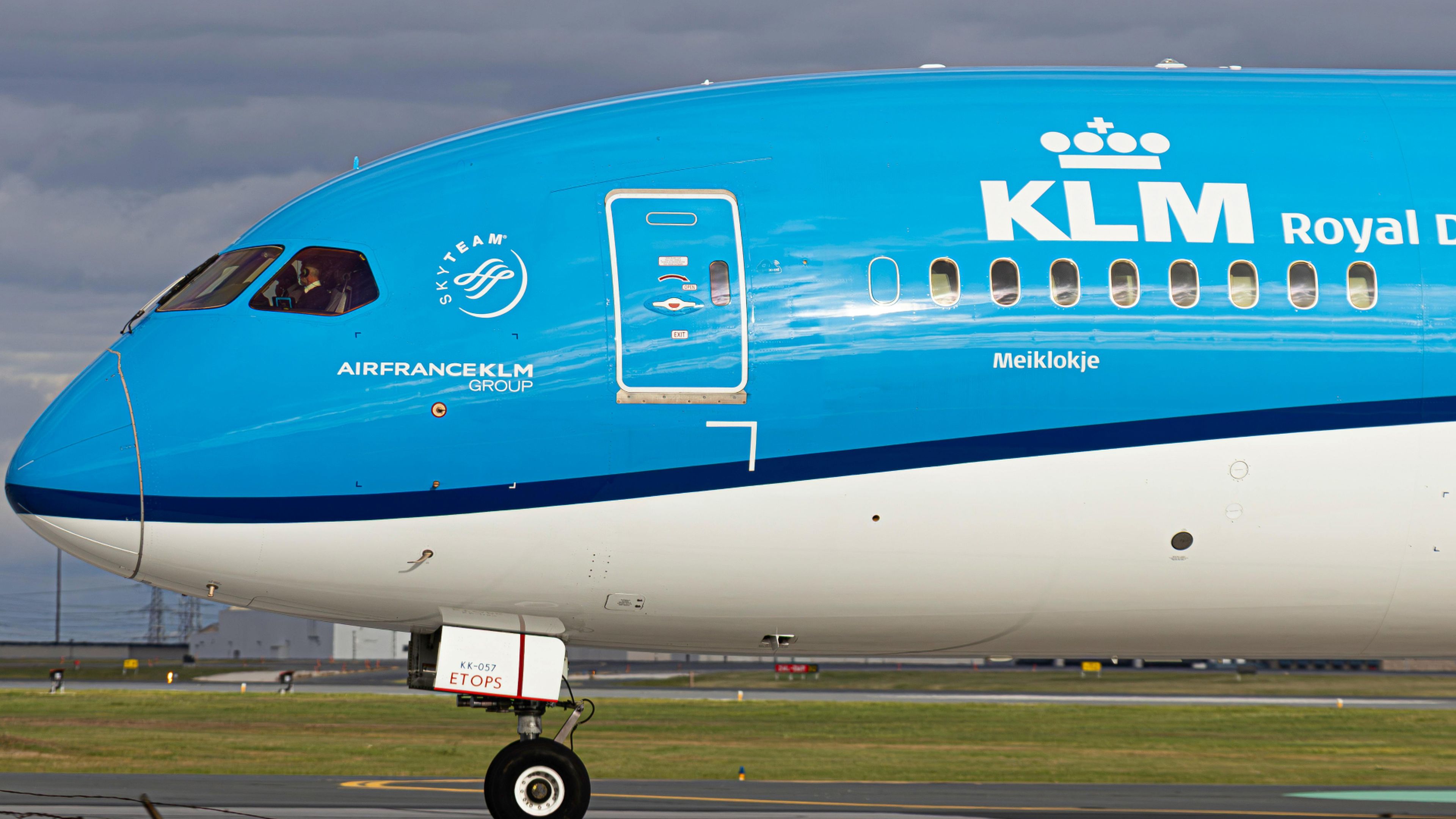
KLM scalable campaign production powered by AI-driven workflow

KLM: AI as the engine behind scalable campaign production across 50+ markets

Which products are suddenly viable

This is where things get genuinely interesting. Not the large enterprise platforms, those were always being built. It is the products in the middle that are now suddenly alive.

Think of a community platform for a niche sports federation. A personalised learning module for a retail chain. A gamified campaign app that runs only during a specific season. These products used to have too small an ROI to justify development costs. That has changed.

Sportvisunie is a clear example. A digital community platform for anglers in the Netherlands, connecting members and organising knowledge sharing at a national level. A few years ago, this type of platform represented a large investment for a relatively focused audience. With today's development economics, it is a product that proves its value quickly.

The same logic applied to the AvroTros Eurovision voting app, built to a tight deadline and reaching number one in the app store during the contest. That delivery window was simply not achievable before AI-assisted development became part of the process.

60%reduction in time from concept to working product
3xmore iterations within the same project budget
50+markets served from one scalable production system at KLM

What this means for marketing and product teams

The shift has practical implications for how teams think about investment decisions.

First, the build-or-buy conversation has changed. The argument for generic SaaS tools was always that custom development costs too much. That argument is weaker now. For capabilities that are genuinely differentiating for your brand, building custom is more often the smarter choice.

Second, you can validate earlier. You no longer need a fully elaborated business case before you build something. A focused MVP in weeks is realistic. That changes how you evaluate product and campaign ideas, because the cost of being wrong is lower.

Third, speed becomes a competitive advantage. If your team needs six weeks to launch something new and a competitor needs three, you are structurally behind. Teams that integrate AI seriously into their development process are building that advantage now.

At Livewall, AI is a built-in part of how we approach digital strategy and development. Not as a replacement for strategic thinking or creative quality, but as an accelerator for everything that follows from it.

Where the limits still are

AI changes the economics of product development. It does not replace everything that matters.

The quality of the final product still depends on the quality of the thinking behind it. Product strategy, behavioural design, user understanding: these are disciplines you do not automate. AI makes the execution layer more efficient. That makes the strategic layer more important, not less.

A faster-built product with a weak core is still a weak product. The teams that use AI to free up time for better strategy, more user research, and more thorough iteration will build better products. Teams that treat it purely as cost reduction will miss the real opportunity.

We are genuinely excited about what is now possible. We are also clear-eyed: AI in product development is a tool. What you build with it is still a choice you make.

Livewall

AI makes the execution layer faster. That makes the strategic layer more important, not less.

Livewall

Curious what is now within reach for your brand?

Whether you are thinking about a first digital product or want to rethink something that already exists, Livewall can help you figure out what makes sense to build and what it actually takes.

Get in touch with our team

What we do

Livewall builds brand experiences that people actually remember — interactive campaigns, loyalty platforms, digital products, and employer branding for ambitious brands.

Our work

We've worked with HEMA, Stabilo, Wehkamp, Efteling, 9292 and many others. Every project starts with the same question: what would make someone actually want to do this?

Talk to us

Working on something similar? We'd love to hear about it.

Contact Livewall →