


livewall
← All articles
Engagement12 May 2026·Livewall

Engagement KPIs that actually predict commercial impact

Reach and impressions are easy to report and almost useless as predictors of commercial outcome. Here are the engagement metrics that actually matter.

campaignsbrand-activation

Reach and impressions dominate campaign reports. They're easy to pull, look credible on a slide, and tell you almost nothing useful. They show you how many people may have seen your message. They say nothing about what those people did next.

At Livewall, we've spent years measuring engagement from one angle: which behaviours actually predict commercial outcome? After building campaigns and digital products for brands like Rituals, HEMA, Just Eat Takeaway, and Decathlon, a clear picture has emerged. Most standard engagement KPIs are lagging indicators. They confirm what already happened. The KPIs that matter are leading indicators. They show you what's about to happen.

Here are the five engagement metrics we consider most predictive of commercial results, and what they tell you that reach and CTR cannot.
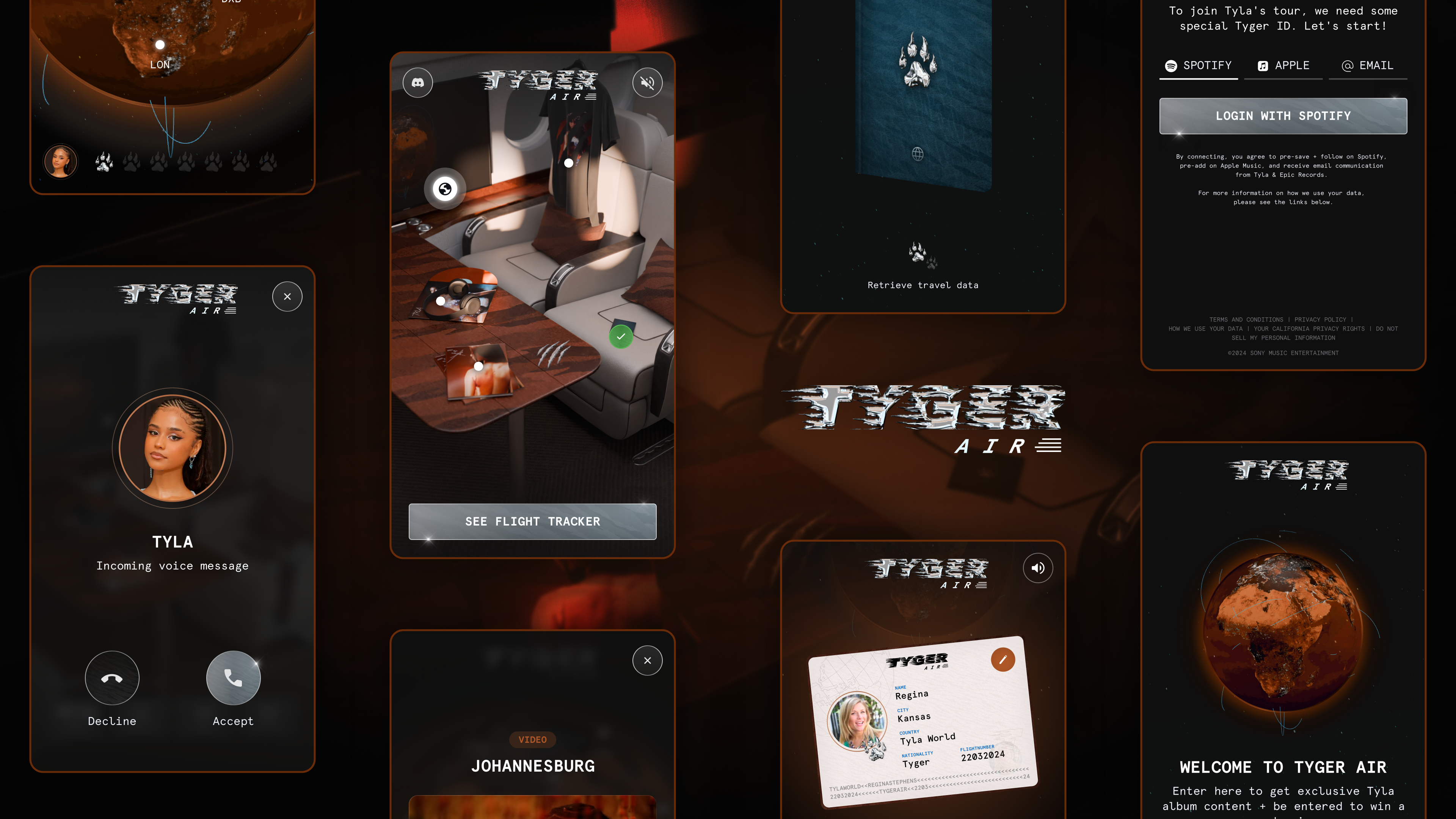

Tyger Air fan engagement campaign by Livewall

The Tyger Air campaign for Tyla: depth of engagement was the metric that mattered, not impressions.

1. Return rate

This is the single metric we take most seriously. How many users come back to a campaign or platform without being pushed to do so?

A user who returns voluntarily has made a decision. That is fundamentally different from someone who clicked an ad once. Return signals that something is worth coming back for. In loyalty programmes, this is the most direct indicator of programme value.

For our always-on loyalty work with Decathlon, return rate is a core measurement point. Members who return actively buy more often and spend more. The correlation is consistent across campaigns.

2. Voluntary session depth

Average session duration means little when users have no easy exit. What matters is how long people stay in an experience they could freely leave.

High voluntary session depth means the experience is working. The content or game mechanic is compelling enough to keep people present. In our interactive campaigns, we've consistently seen session depth above three minutes correlate strongly with brand preference and purchase intent.

3. Actions per session

How many deliberate actions does a user take per visit? Clicks, answers, plays, shares, form completions. This measures participation, not passive viewing.

A user who takes five actions per session is qualitatively different from someone who scrolls past. In gamified activations, participants who engage deeply with the mechanics convert significantly better to purchases or programme sign-ups than those who skim the surface.

Livewall perspective

Reach tells you how many people saw your message. Return rate tells you who actually cared.

4. Organic share behaviour

Not shares triggered by a prompt, but shares that happen without being asked. This is the difference between a mechanic that forces sharing and content people genuinely want to spread.

Organic sharing is a strong indicator of brand affinity. It means someone has staked their social reputation on your brand. That is worth far more than paid reach and reflects real consumer engagement trends moving away from passive broadcast toward personal advocacy.

In the Martin Garrix Dream Team campaign, personalised share-cards generated massive organic reach across 14 countries. Not because we asked people to share, but because the cards gave them something worth sharing: a personal statement tied to an artist they cared about.

5. Data opt-in rate

What percentage of participants consent to further communication? This is arguably the most direct indicator of trust and intent in any campaign.

A high opt-in rate means people want to hear more from you. It is the bridge between engagement and commercial outcome. Through first-party data mechanics, we consistently see that a well-designed campaign experience produces opt-in rates three to four times higher than a standard newsletter sign-up form, because the context and perceived value are completely different.

3-4xhigher data opt-in rates from well-designed interactive experiences versus standard sign-up forms
>3 minvoluntary session depth that consistently correlates with brand preference and purchase intent in Livewall campaigns
14countries where the Martin Garrix campaign spread organically through personalised share-cards

How to put these KPIs into practice

The point is not to add five new dashboards to your reporting setup. The point is to think about which behaviours you want to measure and encourage before you design the campaign.

Start with the question: what do I want people to do, not what do I want people to see? Every mechanic in the campaign, every interaction, every reward, should contribute to behaviour that is predictive of commercial outcome.

At Livewall, we anchor these KPIs into the design from the first concept session. We agree with the client on which behaviours best predict their commercial objective, then build the mechanics around those behaviours. Reach and impressions stay in the picture for context, but they never drive campaign decisions.

This is what we mean when we talk about brand activations: not a moment of attention, but a prompt to behaviour. The distinction matters. Attention fades. Behaviour compounds.

Livewall

Want to know which KPIs your campaign should actually be measuring?

At Livewall, we help brands translate engagement into behaviour that drives commercial results. Get in touch and we'll look at your current KPI structure together.

Get in touch with our team

What we do

Livewall builds brand experiences that people actually remember — interactive campaigns, loyalty platforms, digital products, and employer branding for ambitious brands.

Our work

We've worked with HEMA, Stabilo, Wehkamp, Efteling, 9292 and many others. Every project starts with the same question: what would make someone actually want to do this?

Talk to us

Working on something similar? We'd love to hear about it.

Contact Livewall →