


livewall
← All articles
Strategy14 March 2026·Livewall

Digital transformation for consumer brands: what it actually involves

Digital transformation is often used to mean everything and therefore nothing. Here is a grounded view of what it actually requires for consumer brands and where most programmes stall.

digital-productsuxbrand-activation

Digital transformation appears in almost every strategic plan a consumer brand puts out. The results are often underwhelming, not because the ambition is missing, but because the term has become so broad that everyone means something different by it. A new CMS, an app relaunch, an AI pilot, a UX overhaul. Each of those can be part of digital transformation. But a collection of separate digital projects is not transformation.

At Livewall, we work with consumer brands in the middle of these kinds of programmes. What we consistently see is that the brands making real progress are not necessarily spending more. They have a clearer idea of what they are trying to change. They do not start with technology. They start with behaviour.

Livewall perspective

Most digital programmes stall not from a lack of budget or ambition, but because the end goal was never translated into specific customer behaviour.

What digital transformation actually requires

Transformation starts with an honest question: which customer behaviour do we want to change, and why is digital not delivering that today?

The question sounds simple. Most brands skip past it. They move directly from ambition to solution. We need a loyalty platform. We need a new app. The technology decision is made before the problem is understood.

Real transformation requires four things in parallel:

1. Behavioural goals, not feature lists. What should a user do differently after the change? Return more often, spend more, open the app instead of calling the store? Define the behaviour that has commercial value.

2. Ownership inside the organisation. Digital projects managed from one department stall the moment they need another department to act. Transformation needs an owner who can work across silos.

3. UX as a strategic instrument. Good UX/UI design is not just about usability. It is the translation of behavioural goals into a concrete interface. Brands that bring UX in too late build products that are technically sound but fail to trigger the behaviour they were designed to change.

4. A digital strategy that ends in production. Reports and roadmaps are not transformation. Brands need a digital strategy that results in something live, something measurable.

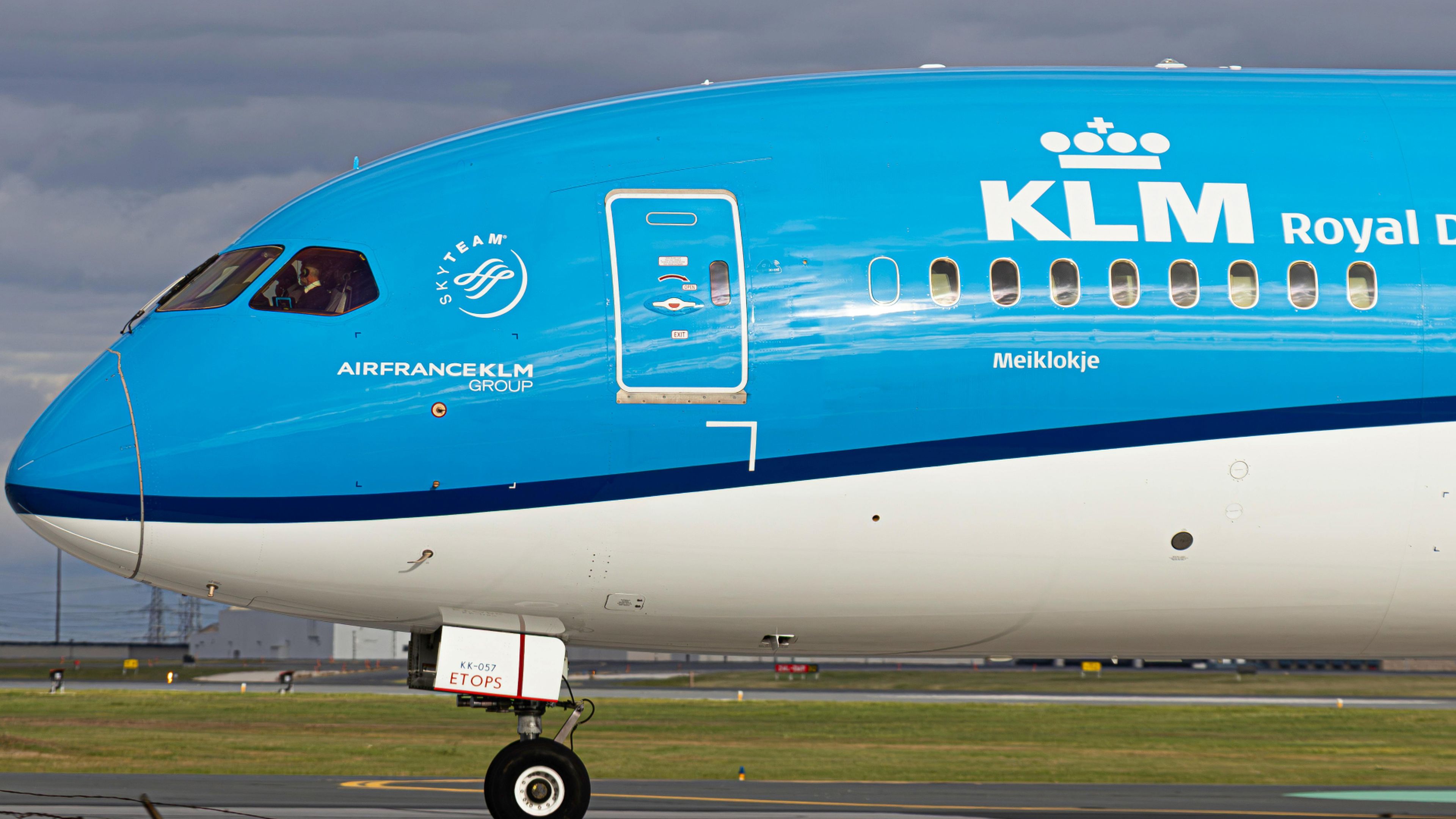
KLM scalable digital campaign production platform

KLM: an AI-driven workflow turning fragmented campaign production into a scalable system across 50+ markets.

Where most programmes stall

Five patterns come up repeatedly with brands that are not getting the results they expected.

Too many platforms, too little coherence. A CRM here, a loyalty module there, an app that does not talk to the website. The digital architecture is the result of separate decisions, not a coherent strategy.

The organisation does not follow the technology. A new platform requires new ways of working. If those are not built in, usage declines after launch.

First-party data is not being used. Consumer brands have access to valuable behavioural data but are not collecting it systematically. Building first-party data mechanics into digital experiences is one of the most underused opportunities available to most brands right now.

Too short a time horizon. Transformation is measured on a quarterly basis, but customer behaviour changes more slowly. Brands that pull the plug after six months never see the compound effect.

Visual emphasis over usability. A visually striking product that is not intuitive to use scores poorly in practice. Behaviour change starts with frictionless use.

The role of brand activation in digital transformation

An underestimated part of digital transformation is how brands actively bring their customers into a new digital environment. Launching a platform is not the same as making a platform work.

Brands that align their brand activations with their digital development consistently see better adoption numbers. The digital product and the activation campaign become two sides of the same effort. The campaign brings people to the platform. The platform delivers an experience worth returning to.

Decathlon is a strong example of this. Their loyalty programme is not just a technical system. It is a continuous series of activations that keep members moving, earning, and coming back.

68%of consumers expect a consistent digital experience across all channels
3xhigher retention at brands actively using behavioural data in their digital product
6-12 moaverage time before real behaviour change becomes measurable in transformation programmes

What actually works: from platform to behaviour change

Brands that move through digital transformation successfully tend to share a few habits.

They start small. Not with a full platform, but with one part that can go live quickly, be measured, and generate learning. At Livewall, we often call this an MVP approach. MVP development used as a strategic tool, not a cost-saving measure.

They stay close to the customer. Every iteration is checked against real customer behaviour, not against what was agreed in a workshop six months earlier.

They combine product and activation. The digital product is not the endpoint. It is the stage for an ongoing relationship with the customer. Brand platform development is effective when paired with activations that keep bringing customers back.

They measure the right things. Not just user numbers, but frequency of return, depth of use, and the commercial impact of specific behaviours.

Brands that get this right

The Proximus+ World case shows how a telco redefined its digital brand through an immersive digital environment. Not a generic app update, but a world that invites customers to explore and stay engaged.

What stands out is that the success is not in the technology itself. It lives in the UX decisions and the activation layer on top. Technology is an enabler, not the solution.

The same principle applies to the Sportvisunie community platform. A platform that combines digital community building with concrete service value. The worth is not in the platform as an object, but in what it lets members do and experience.

In both cases, the digital strategy was grounded in a specific behavioural goal from the start.

Livewall

Ready to make digital transformation concrete?

At Livewall we help consumer brands translate digital ambitions into products and experiences that actually work. No slide decks, something live and measurable.

Get in touch with our team

What we do

Livewall builds brand experiences that people actually remember — interactive campaigns, loyalty platforms, digital products, and employer branding for ambitious brands.

Our work

We've worked with HEMA, Stabilo, Wehkamp, Efteling, 9292 and many others. Every project starts with the same question: what would make someone actually want to do this?

Talk to us

Working on something similar? We'd love to hear about it.

Contact Livewall →