

livewall
← All articles
Engagement27 April 2026·Livewall

Designing second-screen experiences for live sports and entertainment

Live events are an enormous engagement opportunity. Here is how to design second-screen experiences that enhance the live moment rather than competing with it for attention.

entertainmentgamificationsocial-media

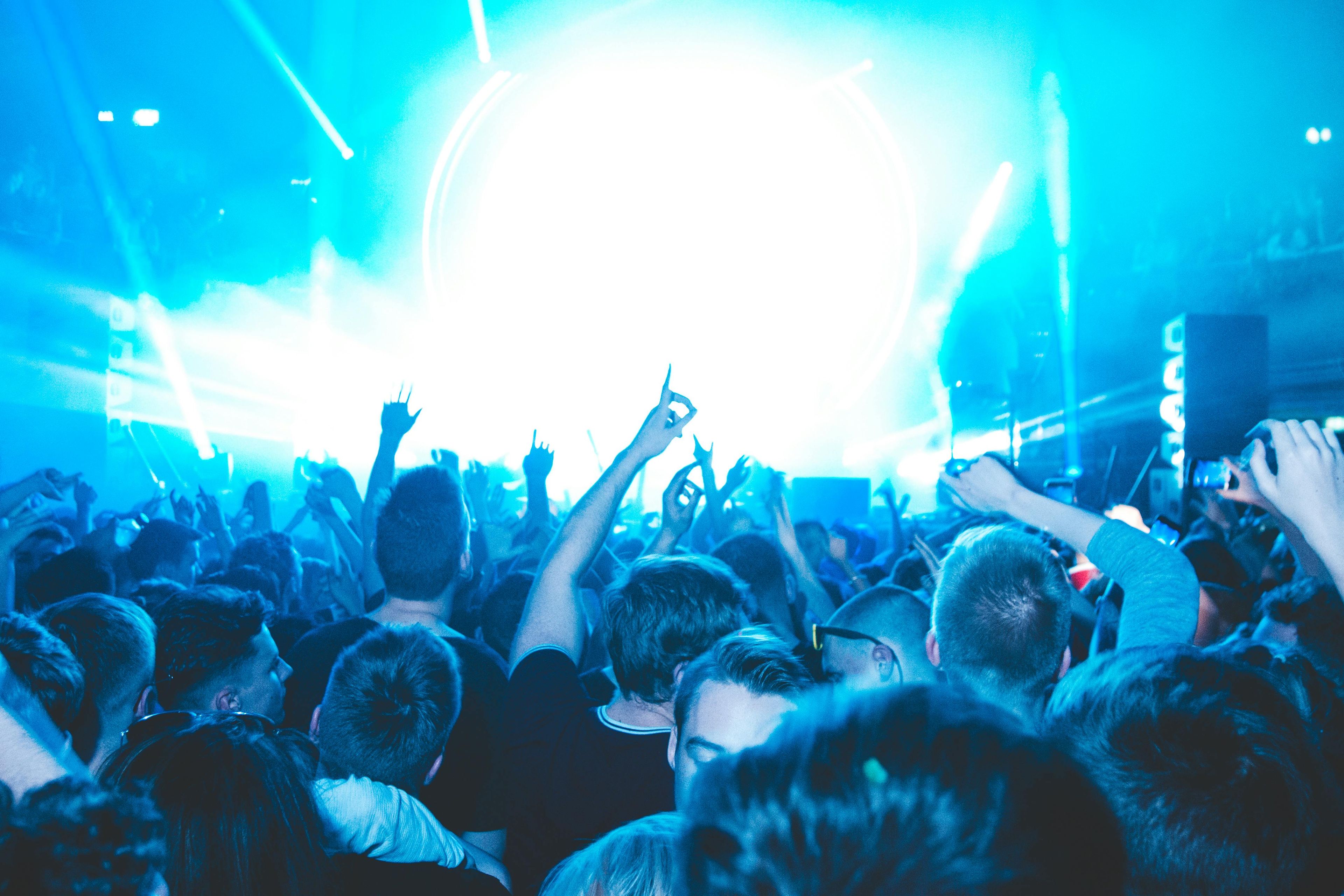
Look around at any concert or sports match. Almost everyone has a phone in their hand. That sounds like a problem. It is actually an opportunity.

Your audience is already on their phone. The question is whether your brand does something meaningful with that attention, or loses the fight to social media and messaging apps.

At Livewall, we design and build digital experiences for brands present at live events. What we have found consistently: the brands that win are not the loudest ones. They are the brands that give the audience something genuinely useful or entertaining during the event itself.
Livewall perspective

A second-screen experience that enhances the live moment does not compete with the stage. It becomes an extension of it.

The mistake most brands make

Most second-screen campaigns are designed as if the event does not exist. A standalone web game, a social activation, a QR code pointing to a product page.

That does not work. Not because audiences are unwilling, but because the experience has nothing to do with the moment. You are asking for attention from someone who is about to watch their favourite artist perform. Unless you offer something that makes that moment better, you will lose.

The best second-screen experiences are built around three principles:

1. Contextually connected — The experience responds to what is happening live. A vote, a player stat, a setlist moment. The phone feels like a window into the event, not a distraction from it.

2. Zero-friction entry — You have ten seconds to pull someone in. One tap, one action, immediate understanding. No registration, no tutorial, no waiting.

3. Socially native — People at live events want to share, compare, and experience things together. An experience that amplifies that spreads itself. An experience that ignores it dies quietly.

Timing is everything

A live event has its own rhythm. Tension, release, highs, breaks. The best-designed second-screen experiences adapt to that rhythm.

During a break, there is room for longer engagement: a quiz, a prediction, a social challenge. During play, you want minimum friction: a quick vote, a reaction to a goal, a badge for a key moment.

The mistake we see often: brands build one experience for the entire event. But the thirty seconds before kick-off demands something different from the thirtieth minute, and half-time demands something different again from the last ten minutes.

Think in scenes, not in a single campaign.

AvroTros Eurovision App, Livewall

141,000 users rated performances live, formed friend groups, and competed in quizzes. Number one in the App Store not because it looked great, but because it fit the moment.

141kactive users during the Eurovision Song Contest via the live voting app
#1position in the App Store on the night of the live show
3xmore sessions per user in experiences calibrated to the live event rhythm

Music fans and sports fans behave differently

This sounds obvious. But most brands ignore it when designing their experience.

Sports fans are competitive. They want to predict, compare, and win. Experiences that add a light competitive layer, rankings, challenges, virtual rewards tied to match moments, align with how they are already watching.

Music fans want to feel and share. They want to pick the next song, send the artist a message, or capture a personal fan moment. Experiences that enable that match the emotional state they are already in.

For Martin Garrix Dream Team, Livewall built a synchronised campaign across fourteen countries where fans connected their Spotify data to a personal fan experience. It worked because it matched how fans already think about music, not what a record label wanted to say.

The Warner Music Ed Sheeran Equals campaign followed similar logic: fans built their own engagement around the album, driven by gamification that reflected their listening behaviour.

This difference in mindset, competitive versus emotional, determines which mechanics you choose. Do not start with the technology. Start with the question: what does this fan want to feel?

Martin Garrix Dream Team campaign, live fan engagement across fourteen countries

Martin Garrix Dream Team: a synchronised fan experience across fourteen countries, powered by Spotify integration and viral share-cards.

What successful second-screen campaigns have in common

After years of building interactive campaigns for events across music, sports, and entertainment, the pattern at Livewall is clear.

The experiences that actually work do three things well:

They are mobile-first and frictionless. No app to download. No account to create. Just a link or QR code that works immediately on any device.

They measure the right things. Not pageviews, but session duration, return rate, and social spread. A campaign that keeps people engaged for six minutes during half-time is worth more than one that generates thousands of clicks and immediate exits.

They leave something behind. A badge, a personalised fan card, a score you can share. Something that exists after the event ends. That is the difference between a campaign that lives for one evening and one that generates attention for days afterward.

The Heineken Max Verstappen activation demonstrates this well: a racing theme, an interactive fan platform, and mechanics that connected fans to the brand through the tension of the race itself. Engagement campaigns built around live moments do not need to shout. They need to fit.

Livewall

A second-screen experience that enhances the live moment

Livewall designs and builds digital experiences for brands present at live events in sport, music, and entertainment. From concept to launch, we make sure the mechanics fit the moment.

Get in touch with our team

What we do

Livewall builds brand experiences that people actually remember — interactive campaigns, loyalty platforms, digital products, and employer branding for ambitious brands.

Our work

We've worked with HEMA, Stabilo, Wehkamp, Efteling, 9292 and many others. Every project starts with the same question: what would make someone actually want to do this?

Talk to us

Working on something similar? We'd love to hear about it.

Contact Livewall →