


livewall
← All articles
Digital Products1 April 2026·Livewall

Brand platform development: what separates a destination from just a website

A website gives people information. A brand platform gives them a reason to return. The design decisions that create that difference are specific and learnable.

digital-productsweb-appscommunity

Almost every brand has a website. Very few brands have a place on the web that people seek out by choice, that they return to without being pushed by an ad or a notification.

That difference is not accidental. It is the result of specific design decisions and a different way of thinking about what a digital product should do.

At Livewall, we call this the distinction between a website and a brand platform. And it does not start with design or technology. It starts with a single question: what gives people a reason to be here, and to come back?

Livewall perspective

A website answers a question. A brand platform creates a habit.

From information layer to behavioral environment

Most websites are information layers. They answer questions, describe products, point to contact forms. Useful, but passive. Visitors arrive, read, and leave.

A brand platform works differently. It is built around behavior: what do you want people to do, how often, and why would they do it?

That requires different questions in the design phase. Not just 'how do we present our information', but: which actions do we want to encourage? What makes participation worthwhile? What does repeat engagement look like for our users?

The answers to those questions shape platform architecture. They drive the decisions in UX/UI design, the features you build, the content you produce, and the data you collect.

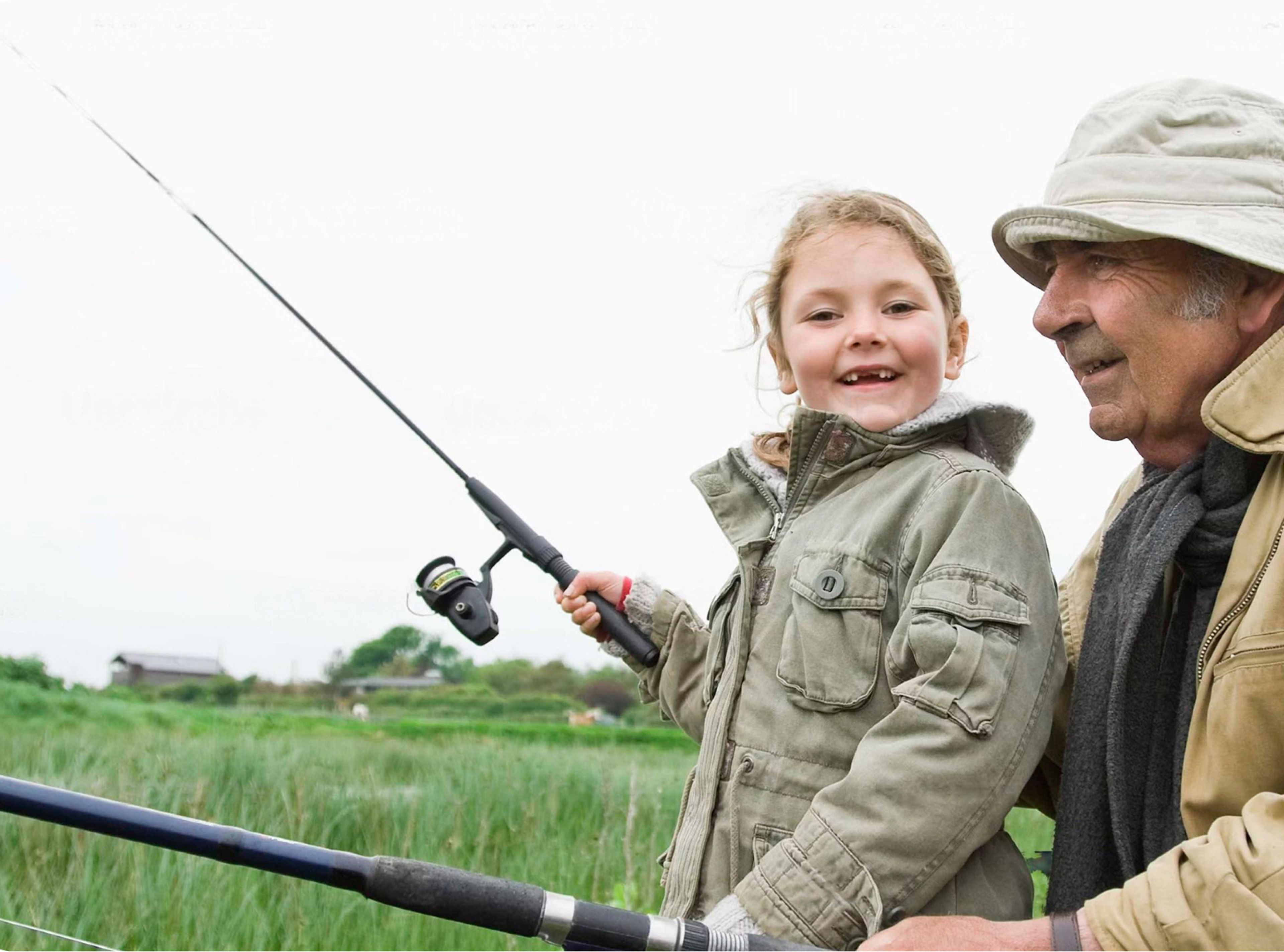
Sportvisunie community platform overview

The Sportvisunie platform connects anglers through shared knowledge and community interaction.

What makes a platform a destination

There are a handful of characteristics that consistently appear in platforms people actively seek out.

Ownership. People return to places where something of theirs exists. A profile, a score, collected points, contributions to a community. Once someone has built something on a platform, they have a reason to go back.

Progression. The most effective platforms make progress visible. It does not have to be a points system. It can be the growth of a community, completing a journey, or discovering new content that only unlocks as you do more.

Social context. Even light social elements, like seeing what others are doing or sharing contributions, give people a sense of connection. That makes returning feel less transactional and more human.

Timing. The best platforms align with an existing rhythm in users' lives. A weekly challenge, a seasonal campaign, a daily check-in. External structure helps people form a habit.

These are not tricks. They are design principles that we apply at Livewall to every brand platform development project we take on.

The difference is in the intent

A website is usually built to inform. A platform is built to activate. That intent needs to be present from the first strategy conversation, not discovered later when someone asks why users are not coming back.

We see this in loyalty platforms too. Take McDonald's Spain MyMcDonald's World: a gamified 3D world inside the McDonald's app that combines mini-games, characters, and seasonal areas. The result is an app people open because they want to, not because they have to. That is the definition of a destination.

Or look at Proximus+ World: an immersive digital environment built around the Proximus brand, designed to drive brand exploration and service discovery. Not a static information page, but a space that invites you to look around.

In both cases, the work did not start with technology. It started with the question: why would someone want to be here?

141Kusers on the AvroTros Eurovision Voting App platform, reaching number one in the App Store
1stplace in the App Store for the AvroTros Eurovision voting app, built as a fully custom digital product
50+markets served by the KLM platform Livewall built for scalable campaign production

Community as a structural layer

One of the most powerful ways to turn a website into a destination is adding a genuine community layer. Not a comment form or an FAQ page, but a space where users connect with each other and create value together.

The community platforms Livewall builds are always oriented around participation, not presentation. That means the question 'what can users do here?' carries as much weight as 'what can they learn here?'

Sportvisunie is a clear example of this. Anglers do not visit just for information. They come for connection with others who share the same passion. That is a fundamentally different value proposition than a news page or a product catalogue.

What this means for the build phase

When you decide to build a brand platform rather than a website, the build process changes too. Digital strategy runs deeper into the project. You are not just building an information architecture, you are building a behavioral architecture.

That has consequences for technical decisions. A platform has different requirements than a website. User accounts, personalised content, data that tracks behavior, integrations with CRM or loyalty systems. These are not nice-to-haves, they are structural.

It also changes how you measure success. Unique visitors and page views are relevant metrics for a website. For a platform, you look at return rate, time per session, interactions per user, and community growth. Those numbers tell you whether you are building a destination or just a page.

Livewall

Ready to build a platform people seek out on their own?

At Livewall, we design and build brand platforms for consumer brands that want to go beyond a website. Strategy through to launch, in one team.

Get in touch with our team

What we do

Livewall builds brand experiences that people actually remember — interactive campaigns, loyalty platforms, digital products, and employer branding for ambitious brands.

Our work

We've worked with HEMA, Stabilo, Wehkamp, Efteling, 9292 and many others. Every project starts with the same question: what would make someone actually want to do this?

Talk to us

Working on something similar? We'd love to hear about it.

Contact Livewall →