

livewall
← All articles
Engagement17 March 2026·Livewall

3 engagement campaign mistakes that kill repeat participation

Most campaigns get people in the door once. The ones that fail at repeat participation usually make the same three mistakes.

campaignsbrand-activationgamification

High first-visit numbers feel like a win. But check your return traffic a week after launch and you often see a very different picture. At Livewall, we've worked on audience engagement campaigns across retail, FMCG, music, and sports, and we see the same patterns come up again and again. When a campaign fails at repeat participation, it almost always comes down to one of three design mistakes.

This isn't a theoretical framework. It comes from building interactive campaigns that we measure end to end. Below, we break down each mistake and what we've done differently in our own work.

Stabilo Pictionary interactive brand activation

Mistake 1: the campaign is designed as a single experience

This is the most common and the most fixable mistake. The campaign is structured as a single flow: enter, play or interact, maybe win something, done. Once a participant finishes the experience, there is nothing pulling them back.

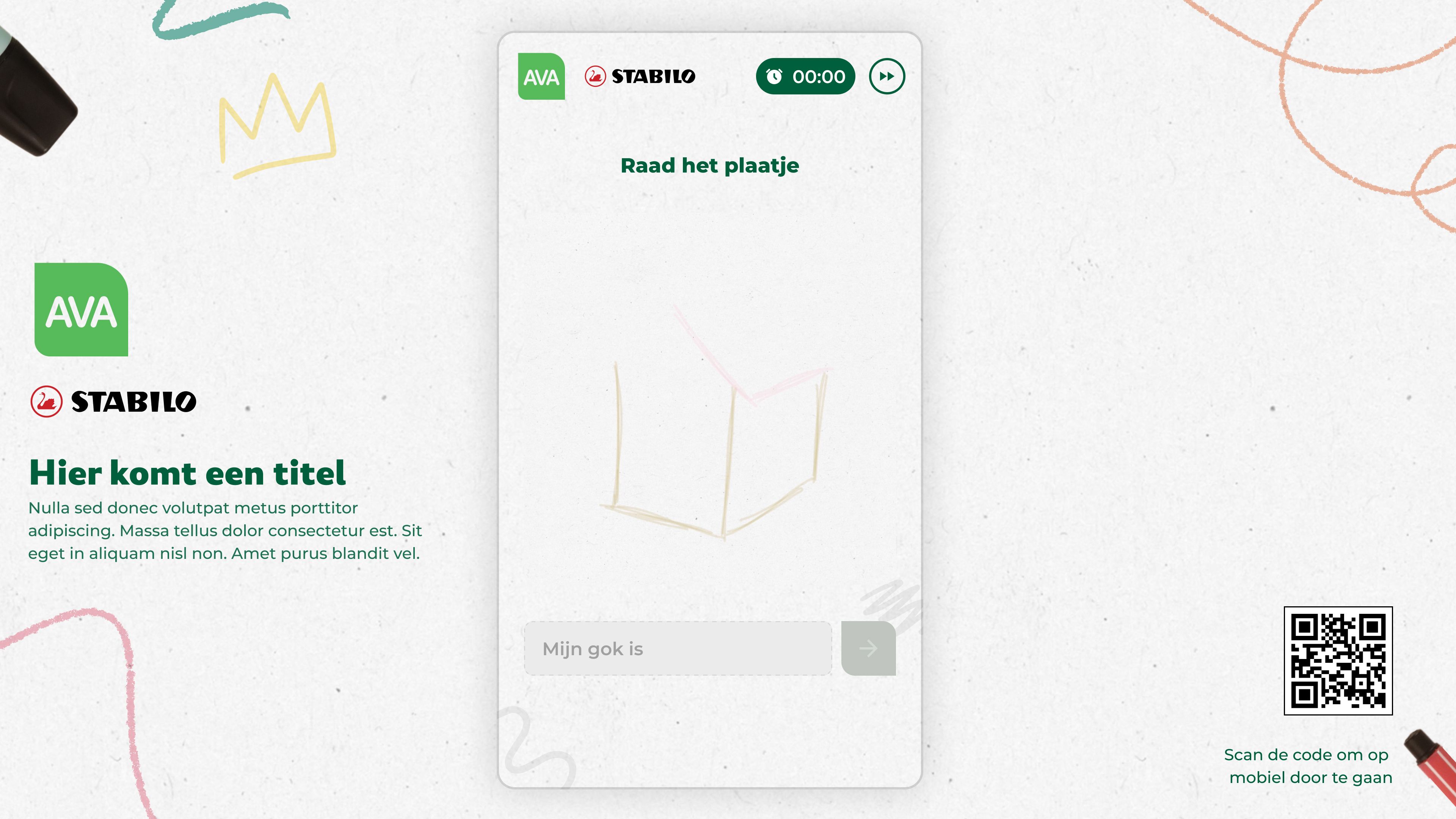
The fix is to build in daily or weekly return triggers from the start. This does not need to be complex. For Stabilo Pictionary, we built a drawing game with multiple rounds and a live leaderboard. Participants returned to improve their scores and to see where they ranked. That is all it took: one clear reason to come back the next day.

When designing any campaign, ask yourself one question early: what is the reason for a second visit? If you cannot answer that clearly, you are designing a one-hit moment, not an audience engagement campaign that builds over time.

Mistake 2: the reward is generic and disconnected from who the participant is

A 10% discount or a standard prize draw does not mean much to someone who is already engaged with your brand. Yet this is still the default incentive structure in many campaigns. The problem is that the reward is not connected to the participant's identity or what they actually value. Generic rewards do not motivate repeat behavior.

What works is a reward structure that connects to the participant's sense of progress or status. For Wehkamp Wanna Have Days, we hid daily cards with discounts and surprises behind a game mechanic. The reward was not just the discount. It was the act of discovering what was behind each card. That creates a fundamentally different emotional pull.

In gamification marketing, the value of the reward matters less than the feeling of earning it. Relevance and meaning beat monetary value almost every time.

Livewall perspective

The reward is not the prize. It is the feeling of having earned it.

Mistake 3: participation is anonymous and therefore disposable

If participants leave nothing behind, there is no progress to return to. No progress means no reason to come back. Many campaigns are built on fully anonymous interaction: you play, but you have no profile, no history, and no score.

A small amount of identity changes this completely. It can be as simple as a nickname, a cumulative score, or a shareable result. Once participants have something to build on or protect, the psychology of participation shifts.

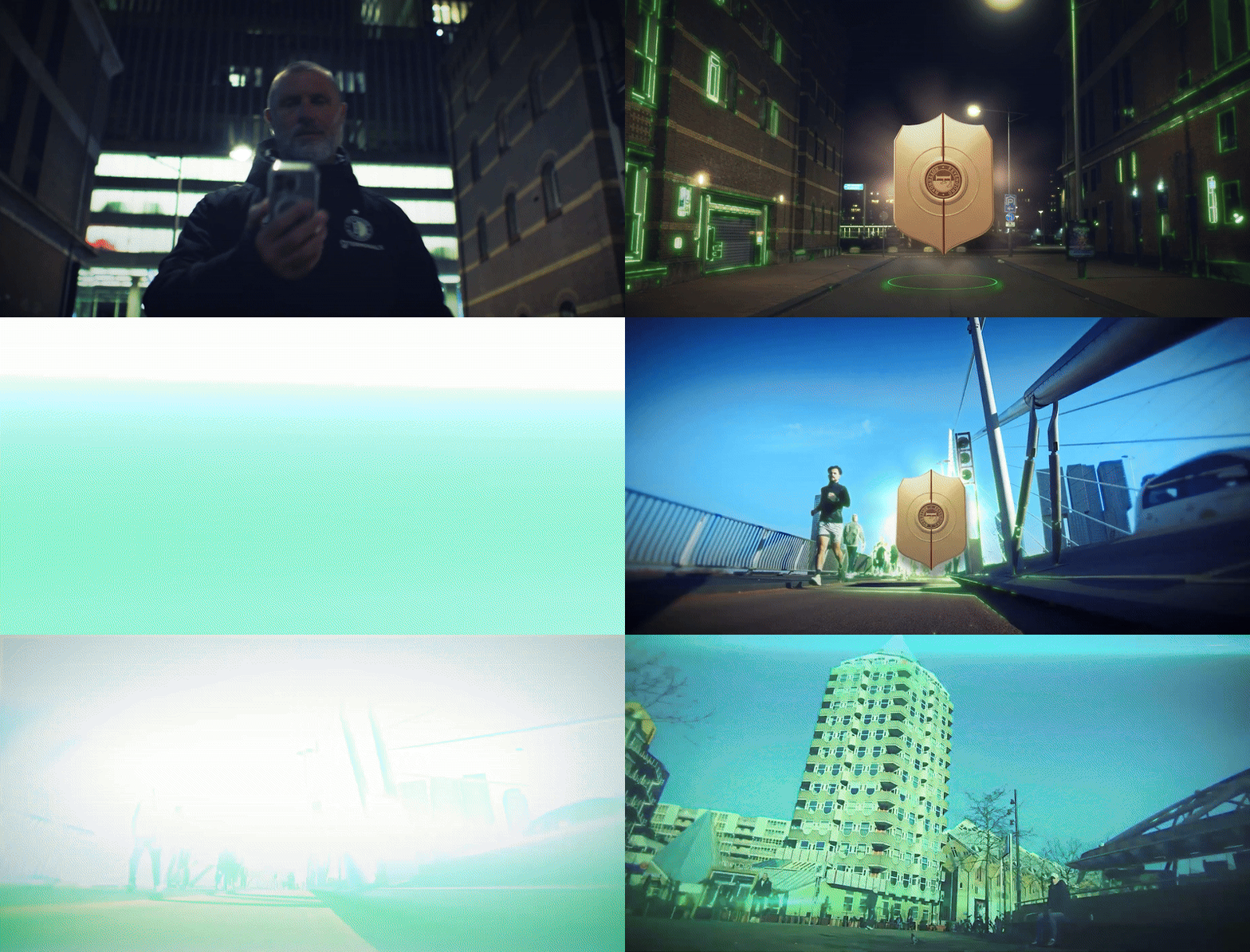
We saw this clearly in the Feyenoord Play by Unive campaign. Fans who built up a score returned significantly more often than those playing in a fully anonymous session. The sense of accumulated progress is one of the most powerful return triggers in brand activations.

You do not need a full account system to achieve this. A light identity layer, a session token, or a shareable score link is enough to make the difference between a throwaway experience and something people come back to.

3xhigher return rate for campaigns with daily return triggers
68%of participants with progress tracking returned within 7 days
2.4xmore sessions in campaigns with meaningful reward structures

What these three mistakes have in common

All three mistakes share the same root: the campaign was designed around a single moment, when repeat participation requires designing for behavior over time.

A campaign built for return asks three questions upfront. What brings someone back tomorrow? Is the reward connected to who the participant is? And does participation build something worth protecting or continuing?

At Livewall, those questions are part of the brief, not an afterthought. Audience engagement campaigns that earn repeat participation are not lucky. They are deliberately designed to create it.

Livewall

Build a campaign people come back to

If your campaigns perform on reach but fall short on return visits, we know exactly where to look. Livewall helps you avoid these three design mistakes and build an activation that brings your audience back more than once.

Get in touch with our team

What we do

Livewall builds brand experiences that people actually remember — interactive campaigns, loyalty platforms, digital products, and employer branding for ambitious brands.

Our work

We've worked with HEMA, Stabilo, Wehkamp, Efteling, 9292 and many others. Every project starts with the same question: what would make someone actually want to do this?

Talk to us

Working on something similar? We'd love to hear about it.

Contact Livewall →