AI tooling makes it much easier to let those steps overlap. While we're still having conversations, gathering needs and making choices, we can already build something that works.
Not as a final product, but as something to learn from.
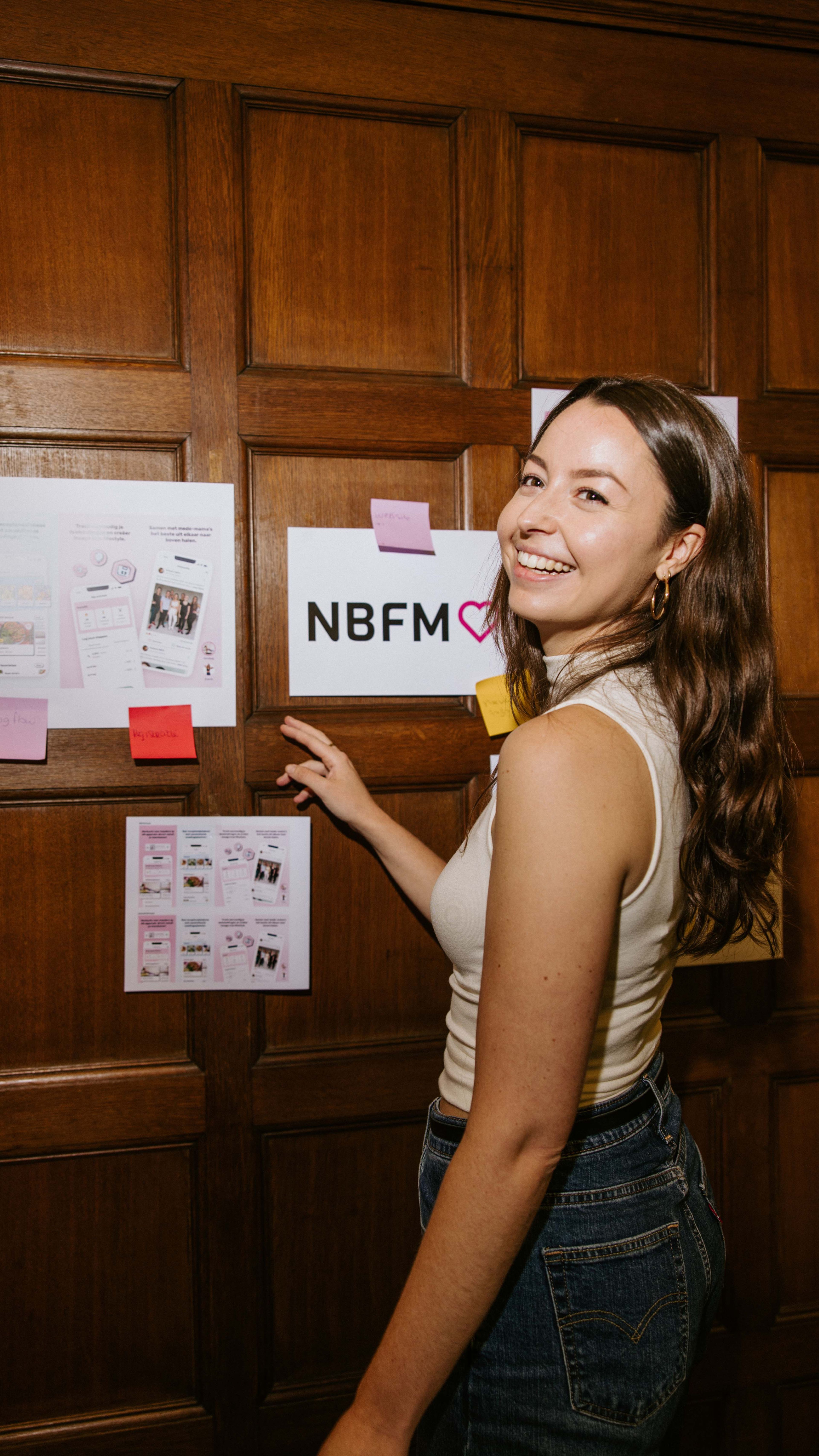
I see it happening in several places within our team. Our designer Evi Franken, for example, is working with developers on a working version of the product at an ever earlier stage. Not creating a complete design first and handing it over afterwards, but putting something together and immediately testing whether it works in practice.
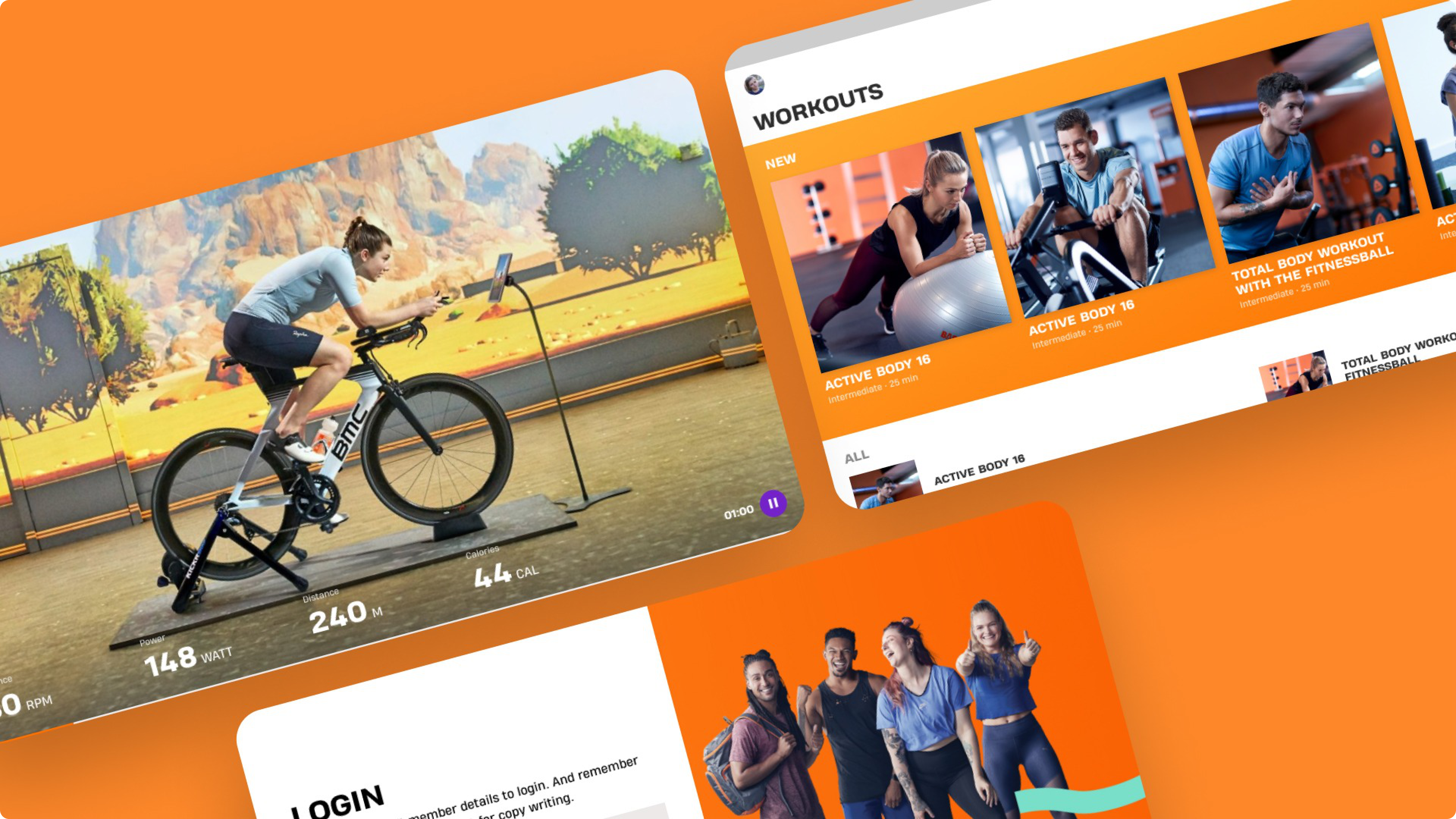
That way, a designer sees sooner what works well technically, and development sees sooner what a particular choice means for usability. And early on in the project, the client already has something in their hands that they can actually click through.
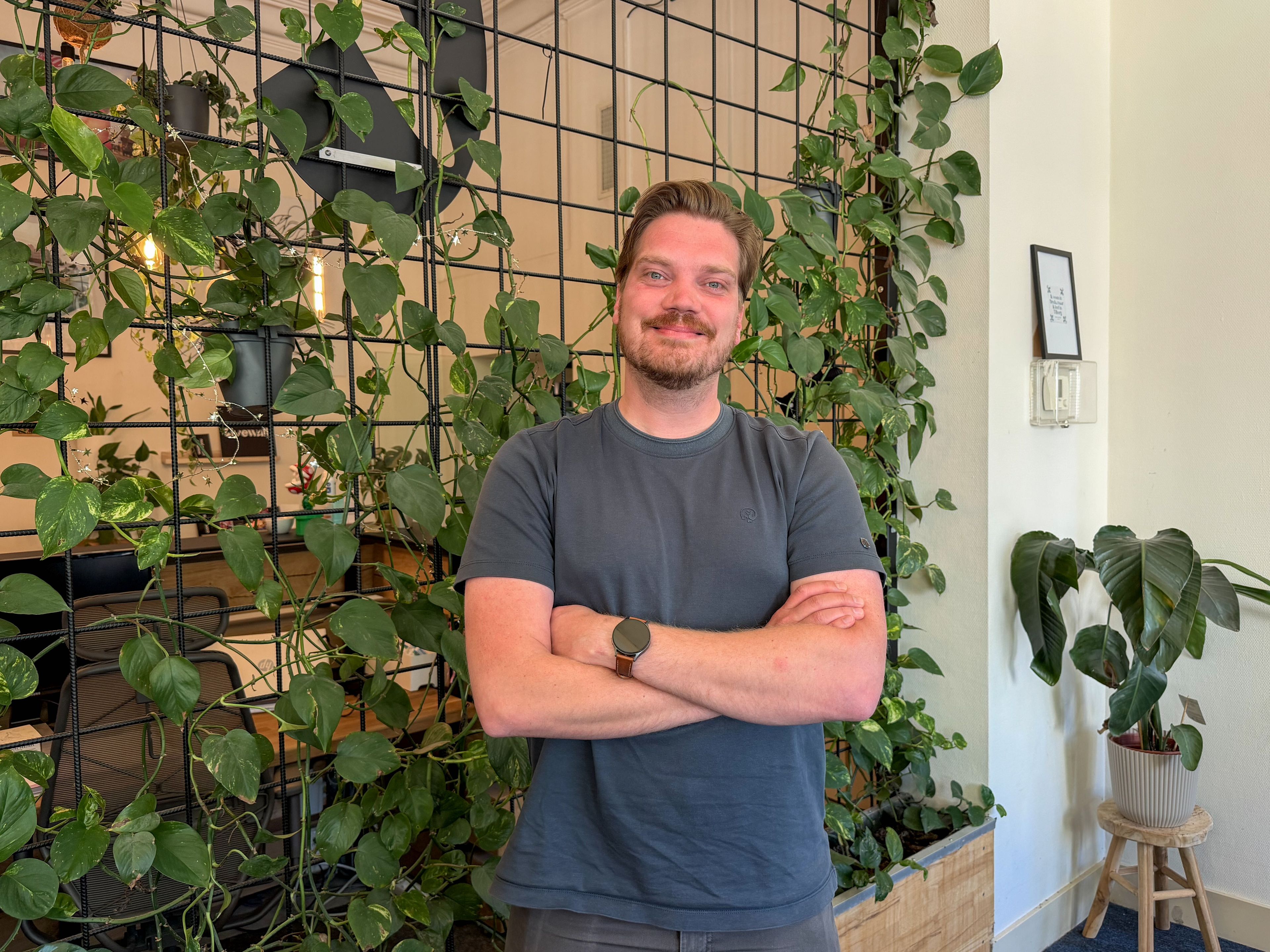
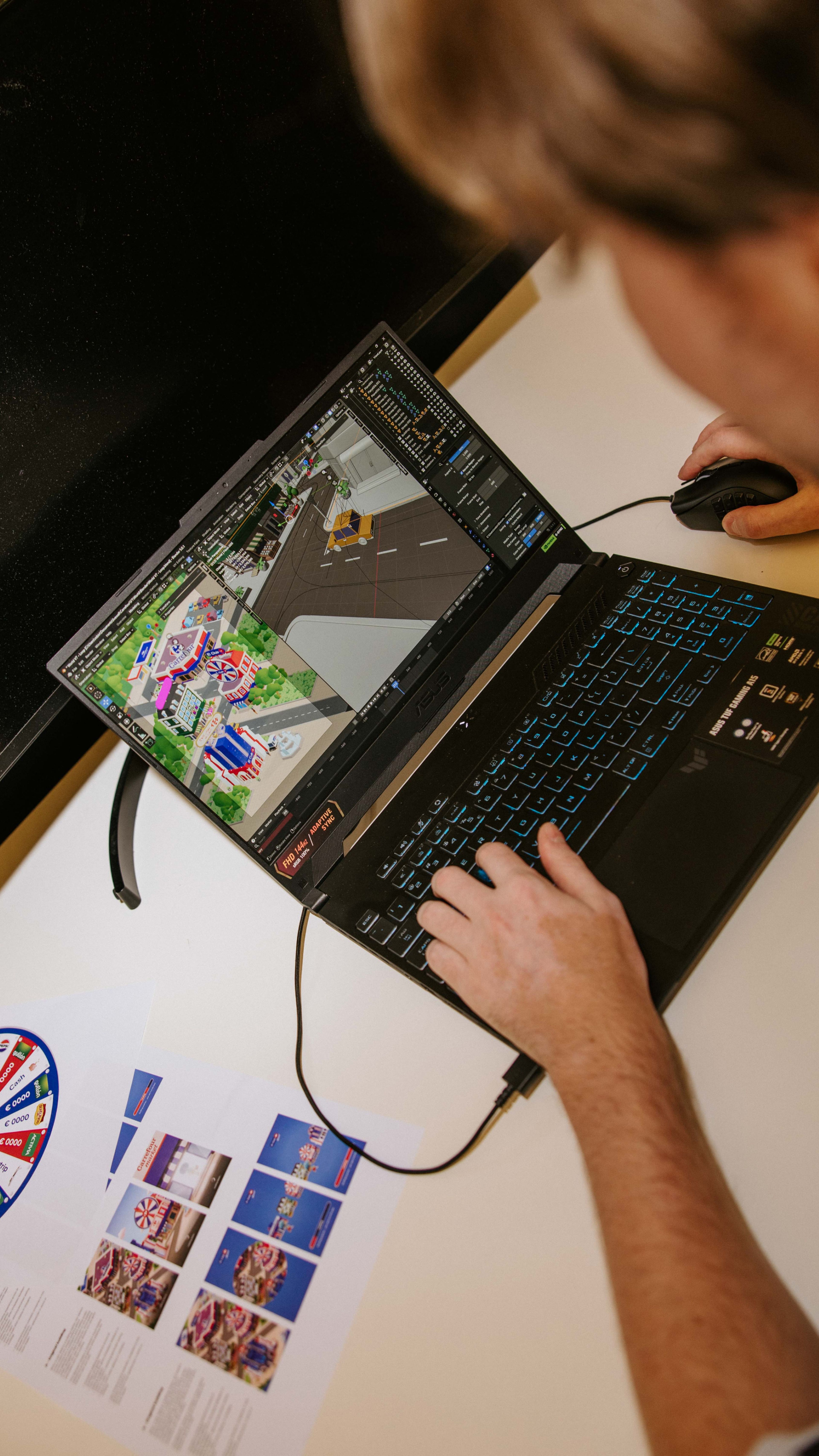
With Roy van Zoelen, one of our developers, I see something similar from the other side. These days he works largely from a chat conversation with an AI agent. He barely types any code himself anymore. He discusses what needs to be built, and the agent writes the code, tests it and takes screenshots. His role is shifting more and more from maker to director.
He told me recently that a client can discuss an idea on Monday and click through a working version on Tuesday.
And that's a good thing.