

When a digital product loads too slowly, people leave. That is not a technical failure. It is a design failure. And it starts in the brief.
At Livewall, we see this pattern constantly: performance targets get introduced late, often as a dev ticket in sprint three, after the architecture is set and the animations have been signed off. By then, unwinding those decisions is expensive. Sometimes impossible.
A performance budget is simply an agreed constraint: maximum load time, maximum page weight, a target score for Core Web Vitals. Most teams only start talking about these things after the product is live. The smart move is to put them on the table in the first briefing session.
Why it always arrives late
Performance is treated as a technical concern rather than a product property. Product owners describe features. Designers describe visuals and motion. Developers build what is in the spec. Nobody asks early enough: how fast does this need to work for someone on a mid-range phone with an average connection?
That is a UX design decision, not an optimisation task for later.
What a performance budget does to a brief
When you put a two-second load time ceiling into the brief, things change. Designers weigh the cost of heavy animations. Content teams think about video formats and compression. Developers choose a rendering strategy that fits the constraint instead of retrofitting performance onto an architecture that was never built for it.
It shifts the conversation from "can we make this faster?" to "what do we include within this budget?" That is a fundamentally different mindset, and a much cheaper one.
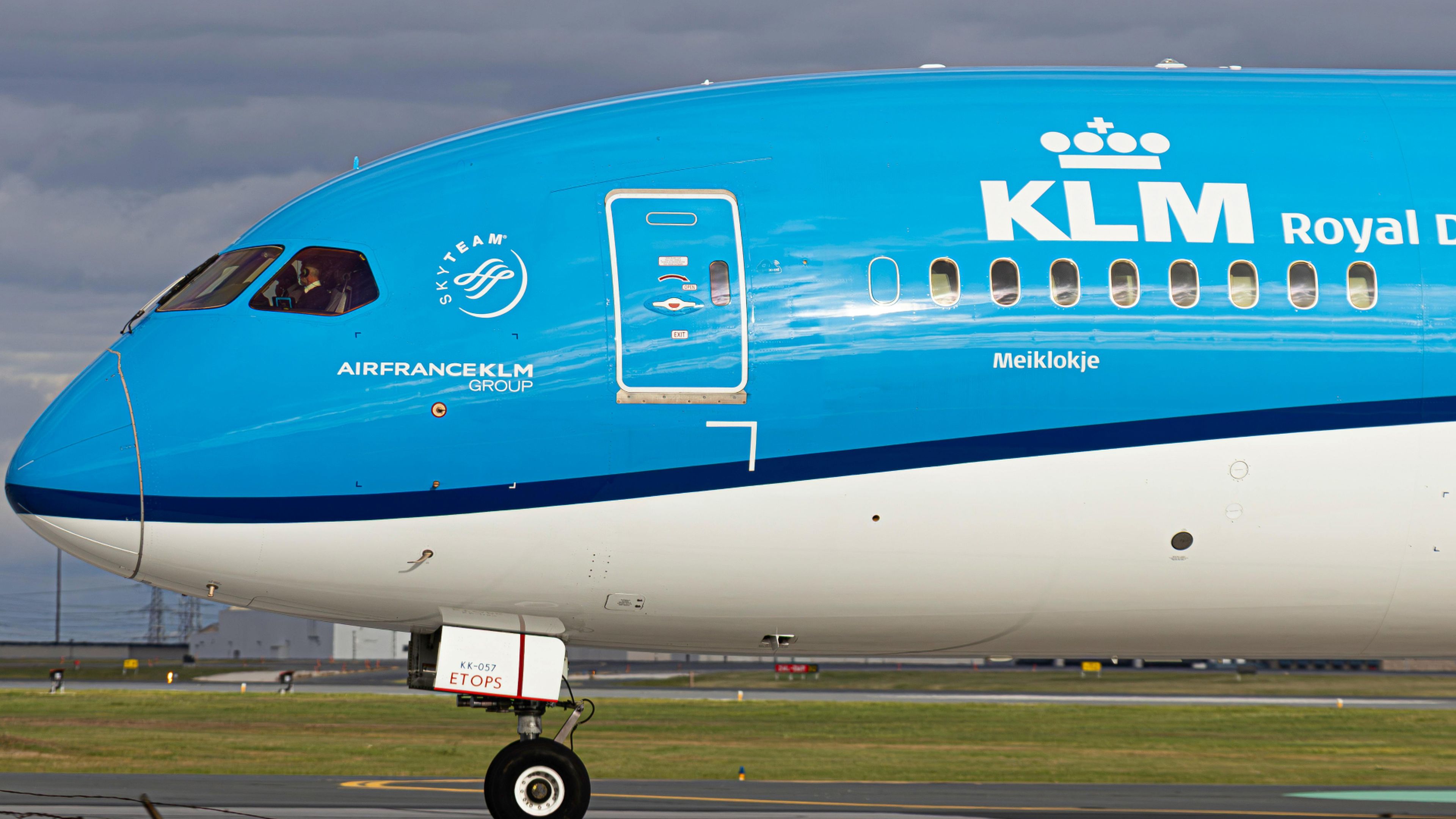
When we worked on the KLM Scalable Growth Case, scalability and technical performance were embedded in the product strategy from the start, not added as requirements at the end. That made faster iteration and consistent quality across 50-plus markets achievable.