


livewall
← All articles
Digital Products8 April 2026·Livewall

UX/UI design: how to avoid the beautiful but broken trap

Visually stunning products that confuse users are worse than ugly ones that work. Here's how to keep both dimensions in balance through the design process.

digital-productsux

We see it regularly: a digital product that looks exceptional but loses users within five seconds. The animations are smooth, the typography is precise, the colour palette is on point. But nobody knows what to do.

That is the beautiful but broken trap. And it is more dangerous than the reverse. An ugly product that works can grow. A beautiful product that does not work loses users before they ever get a chance to discover anything.

At Livewall, we design and build digital products for brands including Sportvisunie, Proximus, and KLM. We have been on both sides of this problem. We know how tempting it is to overcompensate visually, and we know what happens when you do.
Livewall perspective

An ugly product that works can grow. A beautiful product that does not work loses users before they ever discover anything.

Where it goes wrong

The trap almost always forms at the intersection of two habits: starting visual design too early, and testing with real users too late.

When visual design leads the process instead of behaviour, you build from the outside in. You design what looks good, then try to justify why it also makes sense. That rarely holds.

A second common cause is presentation-driven design. Mockups get reviewed on how they look inside a presentation or a prototype tool. But users do not work in Figma. They work on a phone with bad signal, standing in a shop, while doing something else entirely. That context is almost always missing from a design review.

A third trap: visual complexity used to signal value. More layers, more animation, more gradients. While genuine value is often felt through reduction, not addition.

Sportvisunie community platform interface

The Sportvisunie platform: structure and navigation that work for a broad user base

Behaviour as the starting point

Good UX/UI design does not start with colour or typography. It starts with a question: what does the user need to be able to do, and what makes that easiest for them?

In practice, that means building flows before making a single visual choice. Testing navigation and structure before choosing a colour palette. Understanding where users get stuck before deciding what an empty state looks like.

We call this behaviour-led design. Every design decision is tested against one question: does this make it easier for the user to do what they need to do? If yes, keep it. If not, cut it, however beautiful it may be.

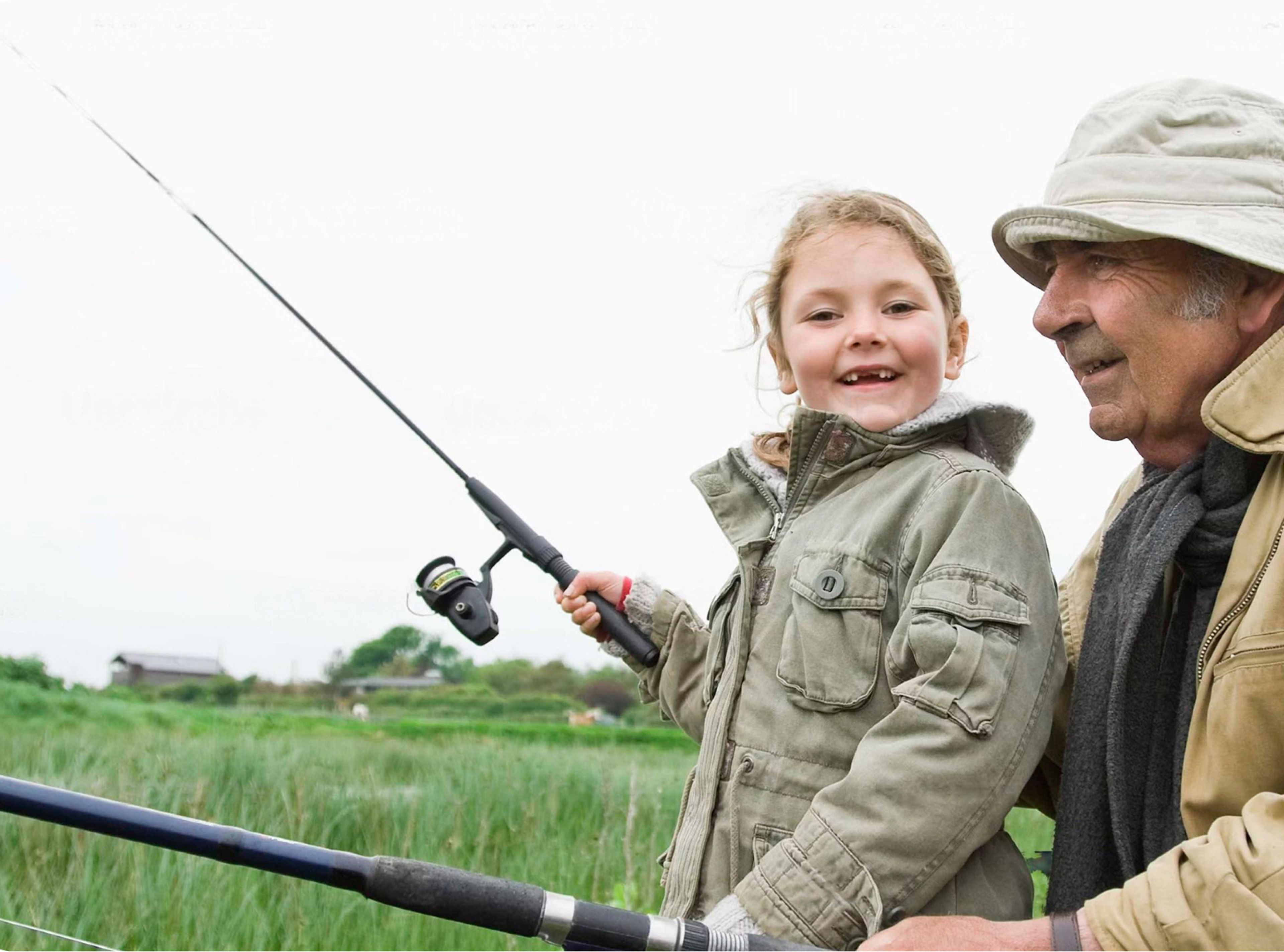
For the Sportvisunie platform, that meant building a community platform for anglers of all ages where accessibility and findable structure took priority over visual ambition. The result is a product that works for a wide audience, not just digitally confident users.

The role of visual design

This is not an argument for ugly products. Visual design absolutely matters. It builds trust, recognition, and the emotional connection users form with a product. A poorly finished interface communicates indifference.

But visual design only works when it reinforces the user experience, not when it works against it. A beautiful button that nobody sees helps nobody. A stunning onboarding flow that takes too long creates drop-off. Elegant colour usage that reduces legibility is a design error, not a design choice.

The distinction is subtle but critical: visual design should guide, not distract from guidance. The best web application development combines strong visual decisions with clear user logic, so both reinforce each other rather than compete.

88%of users will not return after a poor first experience
5saverage time before a user decides to stay or leave
3xhigher conversion when task completion and visual design are in balance

How to keep both in balance

A few practical approaches come up consistently in how Livewall works.

Design in phases, not in parallel. Phase one: structure and navigation. Phase two: visual identity. Phase three: refinement. When you develop structure and visual design simultaneously, they start to compete.

Test function early, aesthetics later. Usability tests in the early phase ask one thing: can users find it and understand it? Only once that question is answered does it make sense to test how it feels.

Use the cover test. Hide all visual styling. Does a new user still understand what the page does? If not, the UX is too reliant on visual cues instead of structure.

Look at context, not screens. How does the product look in poor lighting? On a low-end Android device? When the user is in a hurry? These contexts determine whether a product is truly usable.

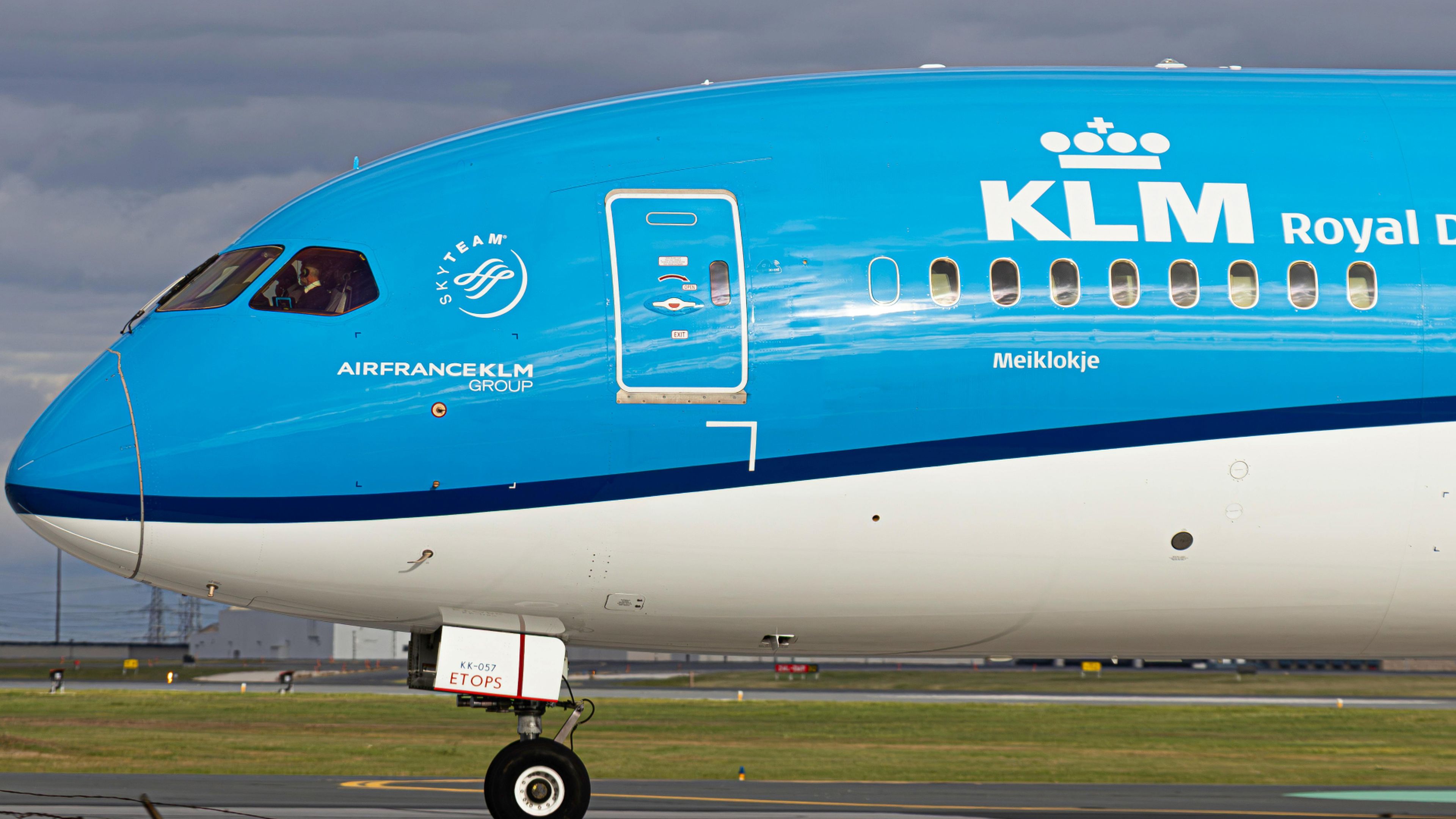
For the KLM Scalable Growth Case, this was essential: campaign assets deployed across more than fifty markets had to maintain visual quality without ever sacrificing functional clarity.

When beautiful and functional come together

The best thing about good UX UI design is that beautiful and functional are not opposites. They reinforce each other, as long as you address them in the right sequence.

A product that works well and looks good builds trust in a way that neither dimension can achieve alone. Users trust a well-crafted interface faster. They are also more loyal to a product that helps them without making them think about it.

The trap is the shortcut: applying the visual layer before the structural layer is ready. At Livewall, we avoid that shortcut by integrating digital strategy into every design and build process. Strategy determines what gets built. UX determines how it works. Visual design determines how it feels. In that order.

Livewall

A digital product that works and looks the part

At Livewall, we design digital products where usability and visual quality are not a trade-off. Strategy, UX, and development in one team from the start.

Get in touch with our team

What we do

Livewall builds brand experiences that people actually remember — interactive campaigns, loyalty platforms, digital products, and employer branding for ambitious brands.

Our work

We've worked with HEMA, Stabilo, Wehkamp, Efteling, 9292 and many others. Every project starts with the same question: what would make someone actually want to do this?

Talk to us

Working on something similar? We'd love to hear about it.

Contact Livewall →