


livewall
← All articles
Digital Products27 January 2026·Livewall

The real cost of building on a no-code platform

No-code tools promise speed and savings. Here is an honest look at what they cost you in the medium term when your product needs to do something they were not built for.

digital-productsweb-appsux

No-code platforms are genuinely appealing. Low startup cost, fast setup, no developer hire needed. All of that is true. The problem is not what happens in the first few months. It is what happens after.

At Livewall, we have worked with clients who started on no-code tools, launched something solid, and then hit a wall twelve to twenty-four months later when the platform could not keep up with where the product needed to go. That is when the real cost calculation starts.

Livewall perspective

No-code works well until your product needs to do something the platform was never designed for. That moment almost always comes.

Where the costs stack up

The licence fees are visible from the start. What is less visible: the hours your team spends working around platform limitations. Every time a feature is almost there but not quite, you build a workaround. Those workarounds work. Until they do not.

From there, the product starts to conform to what the platform can do rather than what your users need. That is the moment a technical decision becomes a strategic one. You feel it in your UX, in your conversion, in the growing frustration of your product team.

The cost of those accumulated compromises is real. It is just invisible until the day you decide to migrate.

60%of no-code projects stall at their first serious integration requirement
2-3xhigher migration effort when switching to custom build after two years
40%of required functionality is typically blocked by platform limits at the point of scaling

When no-code is actually the right call

To be fair: there are situations where no-code is exactly right. An internal form. A single-campaign landing page. A prototype you want to test in a week. For those cases, a no-code tool is a smart choice.

The problem starts when that prototype grows into a real product. Or when your loyalty mechanic, API connection, or data structure falls just outside what standard configuration supports. Then you are paying twice: the licence and the custom workaround you end up building alongside it.

For web application development where integrations, data collection, or user behaviour are central, custom development is almost always cheaper on an 18-month horizon.

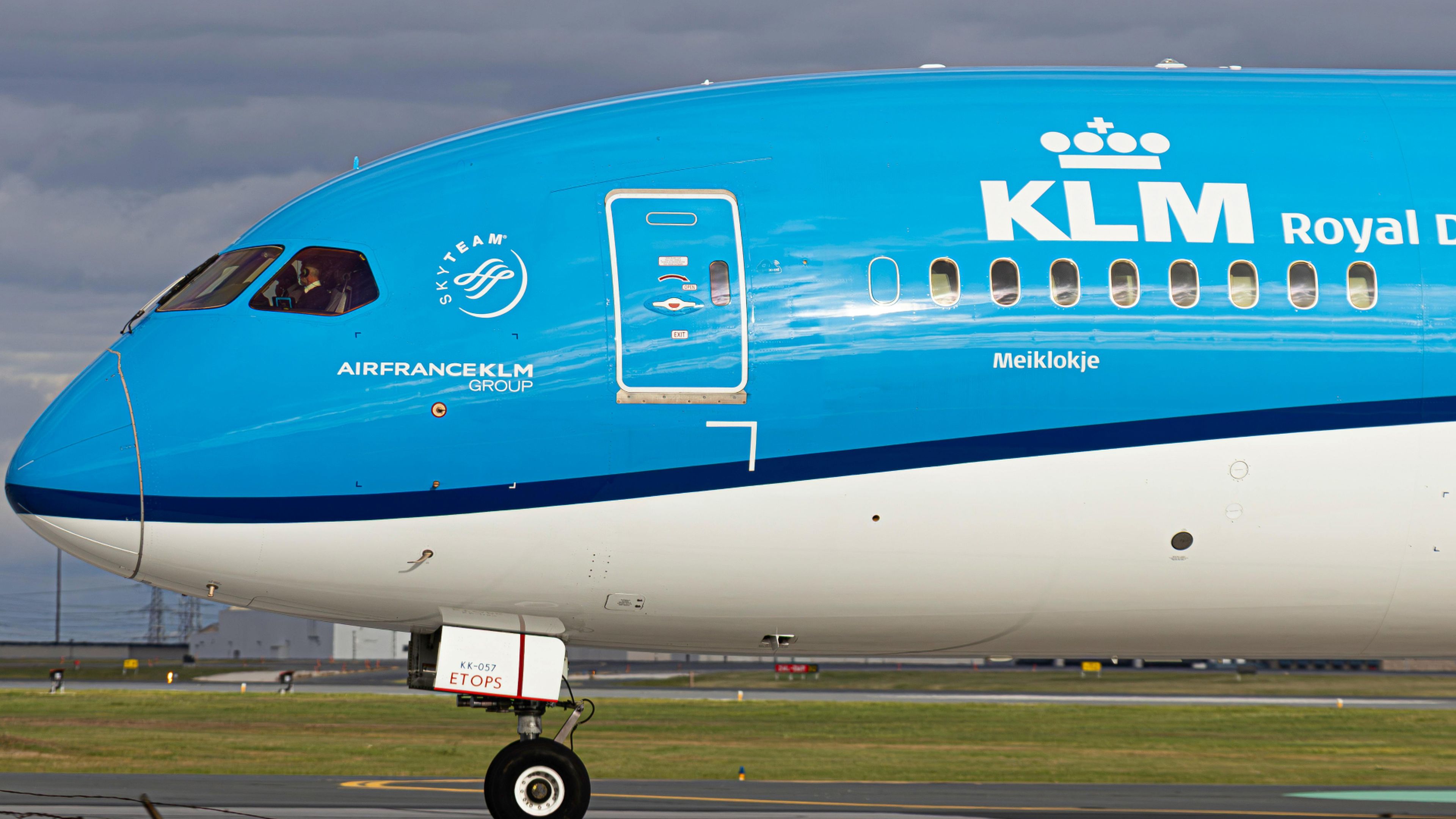
KLM scalable digital product infrastructure

Scalable architecture starts with the right technical decisions, not the fastest ones.

The hidden migration cost

When you decide to leave a no-code platform, the obvious cost is what you spend on the rebuild. The real pain is elsewhere. Your data is locked in the platform's own format. Your team has learned to work within the constraints and needs to unlearn them. Your product has accumulated compromises that need to be undone.

We have seen this play out more than once. A client who had spent a year building on a popular no-code tool and needed to migrate because they required a proper authenticated user environment. Another who had built their loyalty mechanic on a SaaS platform that did not support the API connections their CRM needed. In both cases, the switch cost more than the original build.

This is not an argument against no-code. It is an argument for having an honest conversation at the start: what does this product look like in 18 months?

Three questions to ask before you start

Not every digital product needs the same answer. But these three questions keep the conversation honest:

How complex will the integrations get? If your product will eventually connect to a CRM, a loyalty platform, a payment system, or external APIs, the no-code route is almost always a detour.

How unique does the user experience need to be? No-code platforms deliver standard components. If your UX/UI design requires anything beyond what those components allow, you will be building against the platform.

Who maintains this in two years? No-code tools are fast to build, but not always easy to hand over. If the person who built it leaves, you often have a platform nobody else fully understands.

Livewall

The question is not whether no-code is cheap. The question is how long it stays cheap.

How Livewall approaches this

At Livewall, we deliberately match the type of solution to the scale and ambitions of the product. Sometimes that means custom development from day one. Sometimes we start with an MVP and scale it once the assumptions are validated.

What we always do is align the technical decision to the growth expectation. Not to the fastest path to a first version. That conversation is far better at the start than two years later when a migration is on the table.

If you have a product hitting its platform limits now, or if you are planning a new digital product and want to make that decision well, that is exactly the kind of conversation we are good at.

Livewall

Is your product bumping up against platform limits?

At Livewall, we help brands think through the technical decisions behind their digital products. Whether you are considering a migration or building something new on the right foundation, we would like to talk.

Get in touch with our team

What we do

Livewall builds brand experiences that people actually remember — interactive campaigns, loyalty platforms, digital products, and employer branding for ambitious brands.

Our work

We've worked with HEMA, Stabilo, Wehkamp, Efteling, 9292 and many others. Every project starts with the same question: what would make someone actually want to do this?

Talk to us

Working on something similar? We'd love to hear about it.

Contact Livewall →