

livewall
← All articles
Engagement17 February 2026·Livewall

Social-native content: why platform-first production consistently wins

Content produced for a campaign and repurposed for social rarely performs. Content built natively for the platform it will live on nearly always does better.

social-mediacampaignstiktok

There is a meaningful difference between content that appears on social media and content that was made for it. You see the first kind all day long. The second kind stops your thumb.

A lot of brands fall into the same trap. A TV commercial cut down to 15 seconds. A key visual repurposed into a static post series. A press release rewritten as a LinkedIn update. It ticks the boxes in the content calendar. It fills the posting schedule. But it does not perform.

At Livewall, we build social-native content for brands that understand each platform has its own language. TikTok is not a shorter version of YouTube. Instagram Stories are not TV ads in a different ratio. Brands that treat them as such keep losing ground to those who think natively from the start.
Livewall perspective

Platform-first production is not a format question. It is a mindset shift that starts by asking: how does the user behave here, and what content fits that behaviour?

What platform-first actually means

Platform-first means making decisions about language, pacing, format, and tone based on the platform, not based on the campaign assets you already have.

On TikTok that means starting fast, skipping the build-up, using recognisable sounds, and creating content that mirrors how users actually scroll. On Instagram, it means something else. On YouTube, something else again.

It is not just about format. It is about energy. TikTok users scan content in fractions of a second. If your first frame does not trigger a reaction, they scroll past. That demands a different production order: you start with the hook, not the story.

What we consistently see is that brands who understand this perform better on organic reach, saves, shares, and ultimately conversion. Not because they spend more, but because they understand how the platform actually works.

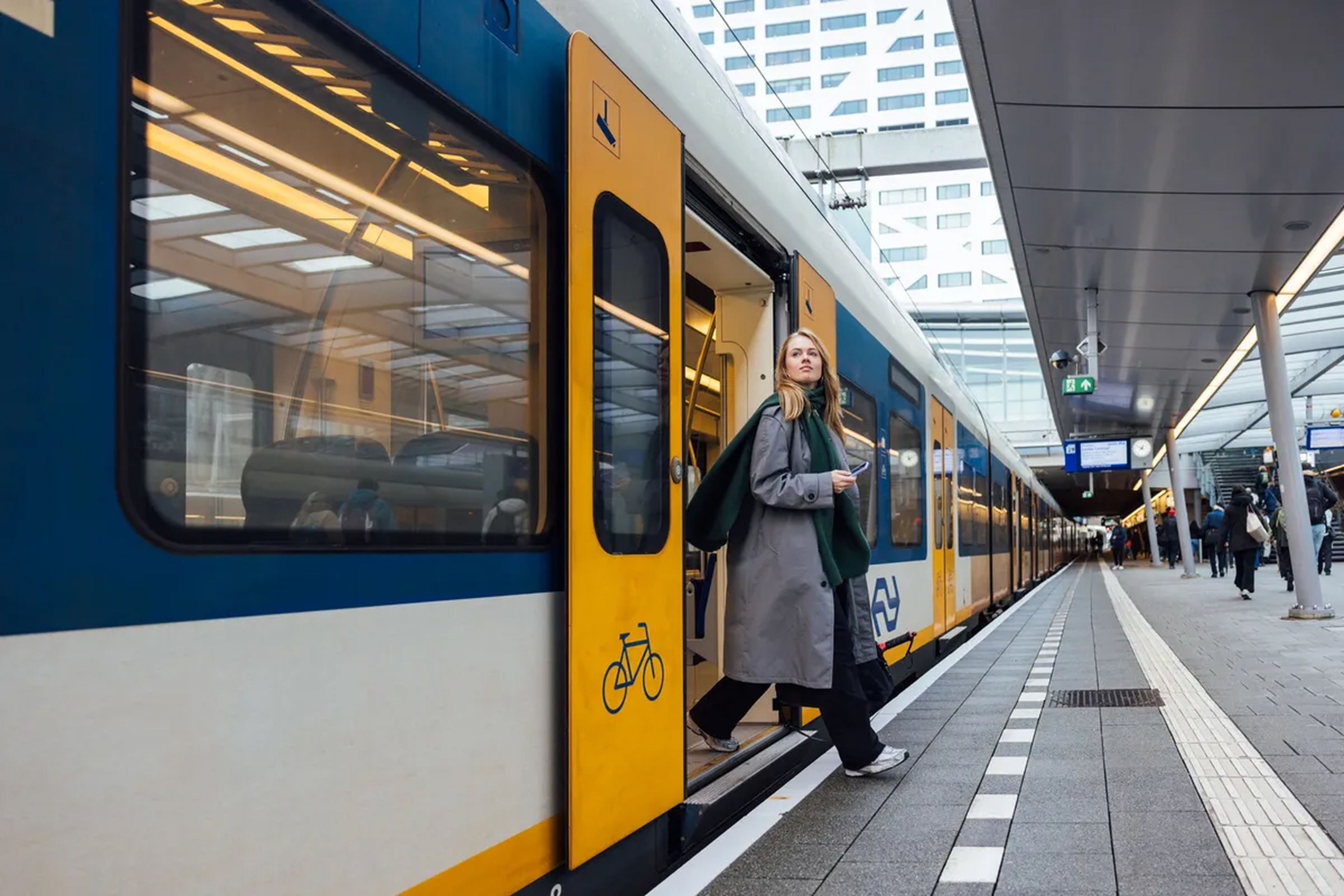
9292 social content production for TikTok

For 9292, we built content that matched the scrolling behaviour of Gen Z on TikTok.

Why most brands still get this wrong

The problem is the production order. Most campaign briefs start from the brand, the product, or the campaign concept. Social is a distribution channel at the end of the chain.

That leads to content where the hook is missing, the energy is off, and the format was not built for the context of the platform. The video is edited like a commercial. The copy reads like ad copy. The visuals are too polished for a platform where authenticity outperforms gloss.

Platform-first production reverses the chain. You start with the question: what is someone doing on this platform, at this moment, with this kind of content? Only then do you make the creative decisions.

That requires a different relationship between creative, strategy, and production. And it requires people who genuinely use the platform, not just manage it.

3xhigher view-through rate for platform-native video versus adapted campaign content
60%of TikTok users drop off within the first 2 seconds if the opening does not trigger a reaction
4xmore organic saves and shares from content built for the platform rather than adapted to it

The role of format in platform-native thinking

Format is more than aspect ratio. It is the structure of the story, the pace of the edit, the choice to use on-screen text or not, the decision between voice-over and direct address.

On TikTok, direct address outperforms voice-over. On LinkedIn, a strong statement outperforms a question. On Instagram Stories, urgency outperforms explanation.

These are not theoretical insights. They come from data, from behavioural research, and from hands-on experience producing for these platforms. We see them show up repeatedly in campaigns we build for brands like Heineken and Feyenoord, where the content strategy was built entirely around platform behaviour and audience context.

Platform-first thinking also means knowing when not to use a platform. Some campaigns are not right for TikTok. Recognising that is also a useful output.

What platform-first production actually delivers

The results from social native content are consistently stronger. Higher organic reach, more saves and shares, better view-through rates, and improved conversion downstream. That holds for large brands and for smaller campaigns.

But the real advantage is strategic. Brands that think platform-first build a relationship with a platform rather than just using it. They learn what works. They develop a content style that becomes recognisable. And they build an audience that comes back.

At Livewall, we build social campaigns that start from the platform, not the campaign brief. We work with brands to understand how their audience behaves, which formats earn attention, and how to build a consistent content strategy that grows organically.

That starts by asking the right questions. Not: how do we adapt this for TikTok? But: what would TikTok content for this brand naturally look like?

Livewall

Ready to build content that understands the platform?

At Livewall, we start from the platform, not the campaign brief. We help brands produce social-native content that fits how their audience actually behaves.

Get in touch with our team

What we do

Livewall builds brand experiences that people actually remember — interactive campaigns, loyalty platforms, digital products, and employer branding for ambitious brands.

Our work

We've worked with HEMA, Stabilo, Wehkamp, Efteling, 9292 and many others. Every project starts with the same question: what would make someone actually want to do this?

Talk to us

Working on something similar? We'd love to hear about it.

Contact Livewall →