livewall
← All articles
Loyalty2 February 2026·Livewall

Referral programme design: the mechanics that drive real sharing

Most referral programmes are an afterthought, a discount code bolted onto a checkout page. Well-designed referral mechanics make sharing feel natural, even desirable.

referralloyalty-programscrm

Why most referral programmes do not work

A discount code arriving in a post-purchase email with the line "Share with a friend". That is the reality of most referral programmes. They are bolted on as an afterthought, while strategically they are one of the most powerful acquisition channels a brand has.

Recommendations from trusted people convert at higher rates, cost less to acquire, and tend to produce customers with stronger lifetime value. But that only happens when the programme is designed so that sharing feels like the obvious, natural thing to do.

At Livewall, we design referral programs for consumer brands. We see the same mistakes repeatedly, and the same principles that separate the programmes that work from those that do not.

Livewall perspective

A referral programme is not a discount mechanic. It is a social mechanism. Design it like one.

The three mechanics that actually drive sharing

1. Give the referrer a reason to feel good about sharing

Most programmes focus on the recipient: "You both get ten euros." But the referrer is the critical actor. They will only share if it feels right for their reputation with the people they are recommending to.

That means the reward for the referrer does not need to be purely financial. Exclusive access, early delivery notifications, status within a programme, even simple public recognition can be powerful motivators. The design question to ask yourself: why would someone be proud to forward this?

2. Put the sharing moment inside a peak experience

Sharing after purchase is too late. The enthusiasm has faded, the context forgotten. The best referral moments are embedded in a peak: right after a winning game moment, on reaching a milestone, after unlocking a reward.

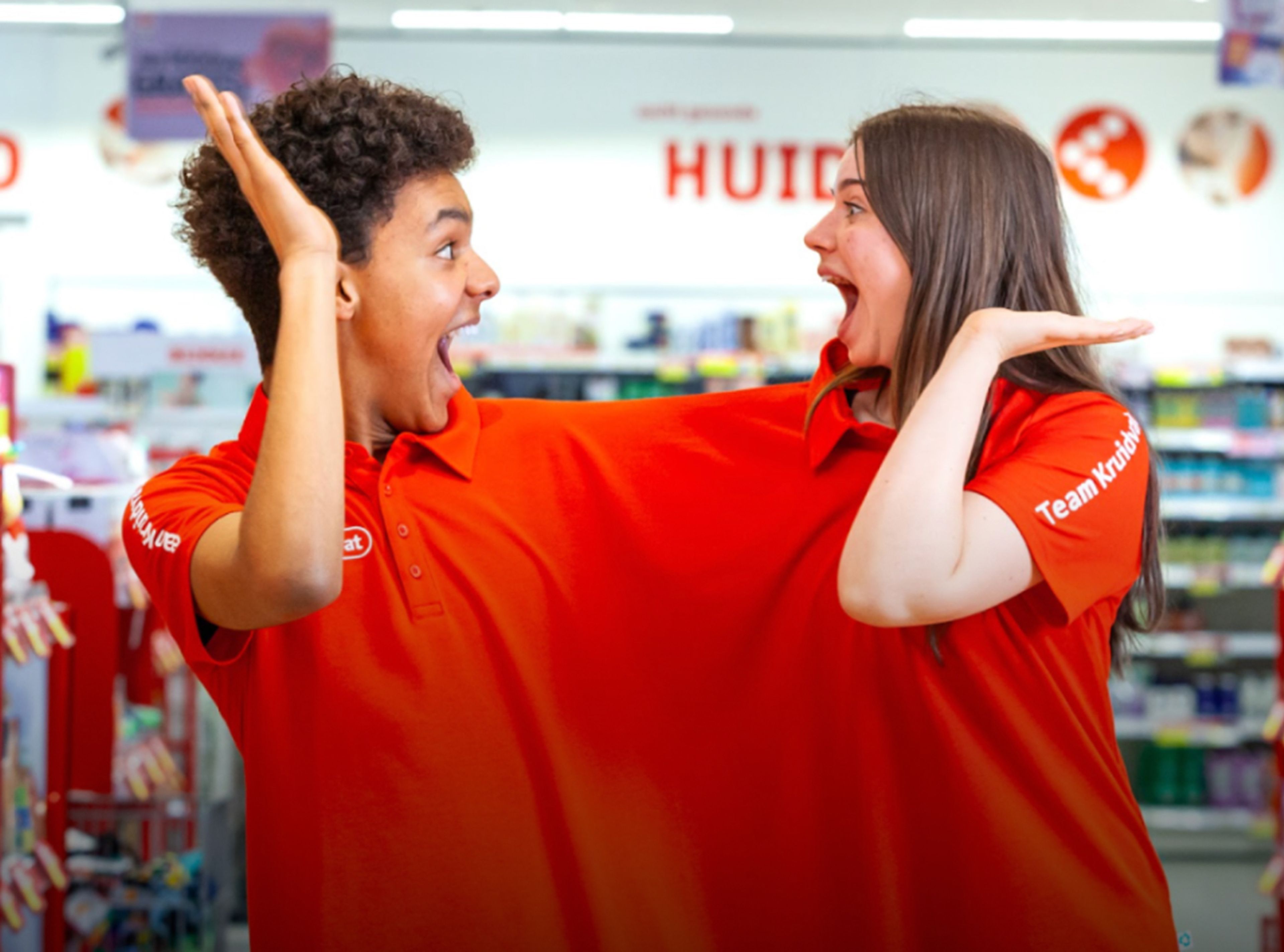
In the Kruidvat Vriendenteam campaign, we designed a recruitment mechanic where employees could invite friends to apply together. The referral moment was built into the campaign experience itself, not attached as a footnote. The result was a flow of applications that felt like participation, not forwarding a form.

3. Reduce friction to zero

Every extra step a referrer has to take halves conversion. Copy the link yourself, go to settings, choose a reward threshold: each of those steps costs you half your potential advocates.

The technical bar is straightforward: one tap to share, immediate confirmation that the referral was received, and a clear expectation of when the reward arrives. Loyalty platforms that handle this cleanly are rarer than you would expect.


Kruidvat Vriendenteam campaign where employees invite friends to apply together

Kruidvat Vriendenteam: referral as a social moment, not a footnote

The difference between transactional and social referral

There are two types of referral programme, and they require different designs.

Transactional referral works on financial incentives. You get money, your friend gets money. This works well in categories with high margins or high purchase frequency: subscription services, fintech products, delivery platforms.

Social referral works on identity and status. You share not because you get paid, but because it fits who you are or how you want to be seen. This works well in lifestyle, fashion, and experience categories.

The mistake brands make is mixing the two: treating a social category as transactional (which degrades the authenticity of the recommendation), or treating a transactional category as social (and missing the conversion that a clear financial incentive would deliver).

At Livewall we always start with the question: what actually motivates this customer to forward something? The answer determines the mechanic.

3-5xhigher conversion rate from referred leads compared to cold traffic
25%higher customer lifetime value for customers acquired through referral
60%of potential referrers never reach the share button due to friction in the flow

Gamification as a referral accelerator

One of the most effective ways to activate a referral programme is to build game mechanics into it structurally, not as a layer on top but as part of the core design.

Consider collection mechanics where every successful referral unlocks a new element. Or progression systems where you rise to a higher tier as you bring in more friends. Or time-limited offers where you gain exclusive access by being among the first to bring someone along.

The HEMA Stapelgek campaign demonstrates how collection mechanics reinforce return behaviour: customers kept coming back to complete their set. The same principle applies in referral design. If the recommendation is part of a larger game, sharing stops being an afterthought and becomes a goal in itself.

For loyalty programmes looking to build this in, gamified loyalty provides the systematic framework to design it properly.

When a double-sided reward makes sense, and when it does not

The classic "give you both a discount" model works well in specific contexts. But it is not always the right mechanic.

A double-sided reward works when the recipient already has some interest in the brand. If someone does not know your service, a ten-euro code is not persuasion, it is a barrier. You need better content or a trial experience first.

A one-sided reward for the referrer works when social motivation is stronger than transactional motivation. In that case, adding a reward for the recipient contributes nothing, but it does lower the perceived authenticity of the recommendation.

A shared reward works best when you can attach a ritual or joint experience to it. "Join me and we both get access" is stronger than "here is a code."

Designing the right reward structure is part of good loyalty program design. It starts with understanding the customer, not filling in a template.

Livewall perspective

The question is not how much you give away. The question is what motivates someone to recommend your brand to people who trust them.

Measuring what actually matters

Most teams measure the number of codes shared. That is the wrong metric.

Better indicators are: the share-to-conversion ratio (how many referrals result in an actual purchase or sign-up?), the repeat advocacy rate (does the same customer refer again?), and the lifetime value comparison between referred and non-referred customers.

With that data you can refine the mechanic. Which segment of customers refers most often? At what point in their journey? Through which channel?

CRM integration is not a luxury here, it is a prerequisite. Without a connection to customer data you can only steer on volume, not on behaviour.

Livewall builds referral systems with the technical foundation to make this visible. Not just the share button, but the full mechanism from trigger to conversion to CRM enrichment.

Livewall

Want a referral programme that actually works?

Livewall designs and builds referral mechanics that fit your customer and your brand. From strategy through to technical implementation, in one team.

Get in touch with our team

What we do

Livewall builds brand experiences that people actually remember — interactive campaigns, loyalty platforms, digital products, and employer branding for ambitious brands.

Our work

We've worked with HEMA, Stabilo, Wehkamp, Efteling, 9292 and many others. Every project starts with the same question: what would make someone actually want to do this?

Talk to us

Working on something similar? We'd love to hear about it.

Contact Livewall →