

livewall
← All articles
Loyalty14 May 2026·Livewall

Referral mechanics that don't feel like spamming your friends

Most referral programmes ask members to annoy their network for a discount. Here is how to design referral mechanics that feel like sharing something genuinely worth passing on.

loyalty-programsreferralcrm

The classic referral programme works like this: send your link to ten friends, get five euros off your next order. The result? People blast the link to their entire contacts list, including the ones who have no interest whatsoever. The recipient feels spammed. The sender feels a little cheap. And conversion is terrible.

And yet referral remains one of the most effective acquisition channels available. The problem is not the principle. It is the execution. Most referral programs are designed around what the brand wants, not around what motivates the customer to actually share.

At Livewall, we have found that referral only performs when sharing adds something for the person doing it. Not as a transaction, but as an act that fits how people already talk about your brand.
Livewall perspective

The best referral is not a referral at all. It is giving someone who is already excited a way to express that.

Why most programmes miss the mark

The fundamental problem: most referral programmes do not activate the people who are already enthusiastic. They ask people who might be vaguely positive to send a link anyway.

That creates three consistent failures.

First, the trigger is wrong. Programmes send a referral prompt after a purchase, inside an order confirmation, or via a push notification. That is the moment when people are least in a social mindset. They just bought something for themselves.

Second, the reward is too transactional. A discount voucher signals what the brand wants, not what you want. It also brings uncomfortable arithmetic: how much is your recommendation worth? How much is your friendship worth?

Third, the story does not hold up. What are you actually saying when you forward the link? "I like this brand and want you to get a discount too" is weak. "This is so good I genuinely want you to experience it" is strong. Most programmes force the first story, not the second.

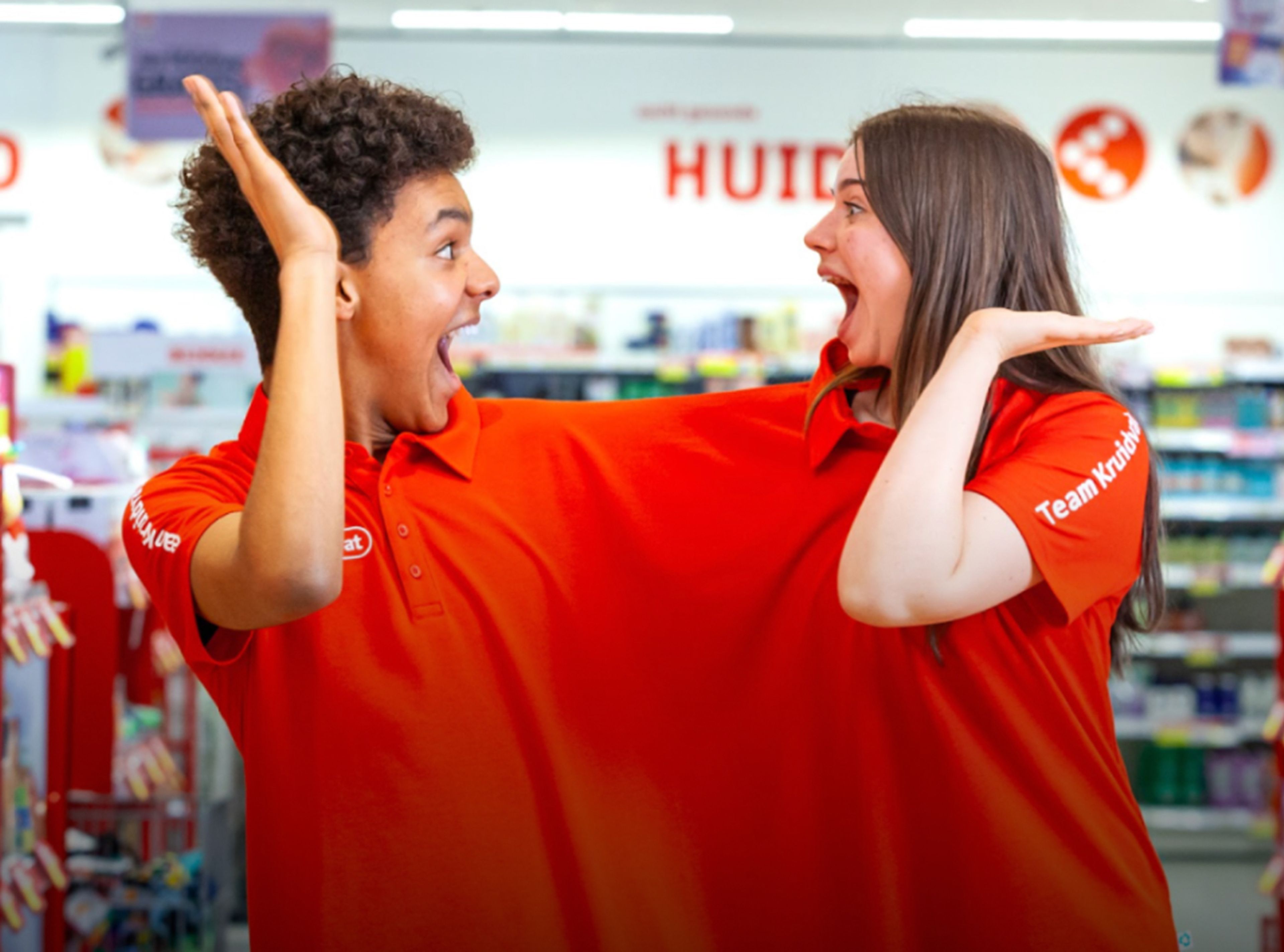
Kruidvat Vriendenteam campaign where friends apply for jobs together

Kruidvat Vriendenteam: applying for a job becomes a social activity rather than an individual task.

Referral as a social experience, not a transaction

One of the best examples of referral design we have seen is not even a loyalty programme. It is the Kruidvat Vriendenteam campaign, where new staff were not simply asked to recommend someone, but invited to apply together with a friend.

That changes the social dynamic completely. It is no longer "you get something if I do something". It becomes "we are doing this together". That feels different. It is shareable, it has its own story, and it is something people actually want to bring up in conversation.

The core question in good referral design is the same: what makes this worth talking about? Not for the brand. For the person sharing it.

Four design principles for referral that actually works

1. Activate at the moment of enthusiasm. Not after purchase, but after the first genuinely good experience. After someone achieves something, unlocks something, or feels something. The HEMA Stapelgek campaign got this right: the share moment was built into the game itself, at the point where a player hit a satisfying result.

2. Give people something to show, not a reason to spam. A unique result, a personalised card, a shared challenge: those are things people want to show others. A discount code is not.

3. Make the recipient feel good before they convert. If the person receiving the link only gets something when they buy, the sender feels that tension. Give the recipient genuine value on click, not only on purchase.

4. Connect referral to identity. "This is who I am" is a far stronger motivator than "this gets me something". Being a fan, being part of a community, standing for something: those are the real reasons people share things voluntarily.

3-5xhigher conversion from friend recommendations versus paid reach
83%of consumers trust recommendations from people they know over advertising
2xhigher retention among customers acquired through referral versus other channels

The role of gamification in referral

Game mechanics and referral fit together well, but not in the way most brands assume. It is not about awarding points for every person you refer. It is about creating shared motivation.

With the Martin Garrix Dream Team campaign, the share mechanic was woven into the game itself. You built a team, and the team grew by bringing in friends. That did not feel like recruitment. It felt like playing together.

The same principle applies to consumer loyalty. At Decathlon, the programme centres on movement and challenge. A referral mechanic rooted in that identity, where you challenge a friend to an activity, lands far better than a generic promo code.

Gamified loyalty thinking works here too: rather than rewarding the share with points, make the share itself part of the play experience.

When referral genuinely works

Referral performs best when three things are present at the same time: a strong brand identity, an active community or user group, and an experience that is intrinsically worth sharing.

The People's Postcode Lottery is a compelling example. The neighbourhood mechanic makes referral feel logical. You are not sharing because you get something. You are sharing because your street benefits too. That is a completely different story.

For consumer brands building loyalty program design from scratch, the question to start with is: what is the story your customers want to tell? Design from that story, and the mechanics follow naturally.

At Livewall, we help brands design referral programmes that fit their brand identity and their customers' real motivations. Not as a plug-in feature, but as an integrated part of how the brand communicates and activates.

Livewall

Want a referral programme people actually want to share?

At Livewall, we design referral mechanics that fit your brand and your customers. No generic discount links, but experiences genuinely worth passing on. Get in touch and we'll look at what works for your situation.

Get in touch with our team

What we do

Livewall builds brand experiences that people actually remember — interactive campaigns, loyalty platforms, digital products, and employer branding for ambitious brands.

Our work

We've worked with HEMA, Stabilo, Wehkamp, Efteling, 9292 and many others. Every project starts with the same question: what would make someone actually want to do this?

Talk to us

Working on something similar? We'd love to hear about it.

Contact Livewall →