


livewall
← All articles
Digital Products11 March 2026·Livewall

Rapid prototyping: why building fast and testing early beats lengthy specs

The spec document is a map. The prototype is the territory. Testing a real prototype with real users finds problems no spec ever anticipates.

digital-productsux

A detailed spec document feels like certainty. Twenty pages of flows, functional requirements, and edge cases. Everyone has signed off. The timeline is set. Then you build it, and discover that users don't understand the core feature, the navigation sends them the wrong way, or the assumption behind feature three was completely wrong.

That's not a rare exception. That's the standard in product development.

At Livewall, rapid prototyping is our default approach for every new digital product. Not as a cost-cutting measure, but because it consistently leads to better products faster. You build a working prototype in days or weeks, test it with real users, and learn things you could never have worked out at a whiteboard.

Livewall perspective

A spec describes what you think you're building. A prototype shows what you've actually built.

Why specs alone don't work

Specifications describe intentions, not experiences. They describe what a screen is supposed to do, not how someone feels when they see it for the first time.

Users don't think in user stories. They click something, expect something, and get confused when that something isn't there. That behaviour can't be fully predicted. It can be discovered quickly.

The cost of late discovery is high. If you find a flaw in your spec during post-build testing, you pay for redevelopment, redesign, and delay. If you find that same flaw in a prototype built in a week, it costs you a day to fix.

A prototype is not a finished product. It doesn't need to be perfect. It only needs to be real enough to answer the right questions.

Rapid prototyping process in digital product development

Test faster, learn faster, build better products.

What rapid prototyping looks like in practice

A solid rapid prototyping process has three phases.

Phase 1: Define fast. Not months of research, but two to three days. What is the core hypothesis of the product? What behaviour are you trying to generate? Which assumptions carry the most risk? Those are the things worth testing first.

Phase 2: Build fast. No polished code, no complete frontend. A clickable prototype that communicates the feel of the core product. Interactive Figma flows for simpler questions. A working web application for more complex interactions. The goal is something you can put in front of real users.

Phase 3: Test fast and act on it. Five to eight user sessions of 45 minutes each will give you more actionable insight than weeks of desk research. Watch what people do, not what they say. Adjust, retest if needed, and only then build the real version.

At Livewall, we combine UX/UI design and MVP development in one team. The designer who builds the prototype is the same person who later understands the production code. No handover, no translation loss.

5xcheaper to fix a mistake in a prototype than after the build
5-8user sessions are enough to surface most core issues
2-3 weeksfrom concept to first usable user insights

What you discover that you could never have specified

The most valuable insights from prototype tests are the things you would never have written in a spec.

A user clicks the wrong element because the visual hierarchy is unclear. Two users expect a certain feature to be somewhere completely different. Someone doesn't understand the value proposition until the third screen, when you thought it was obvious on screen one.

These aren't design bugs. These are fundamental product decisions you want to know early, not after launch.

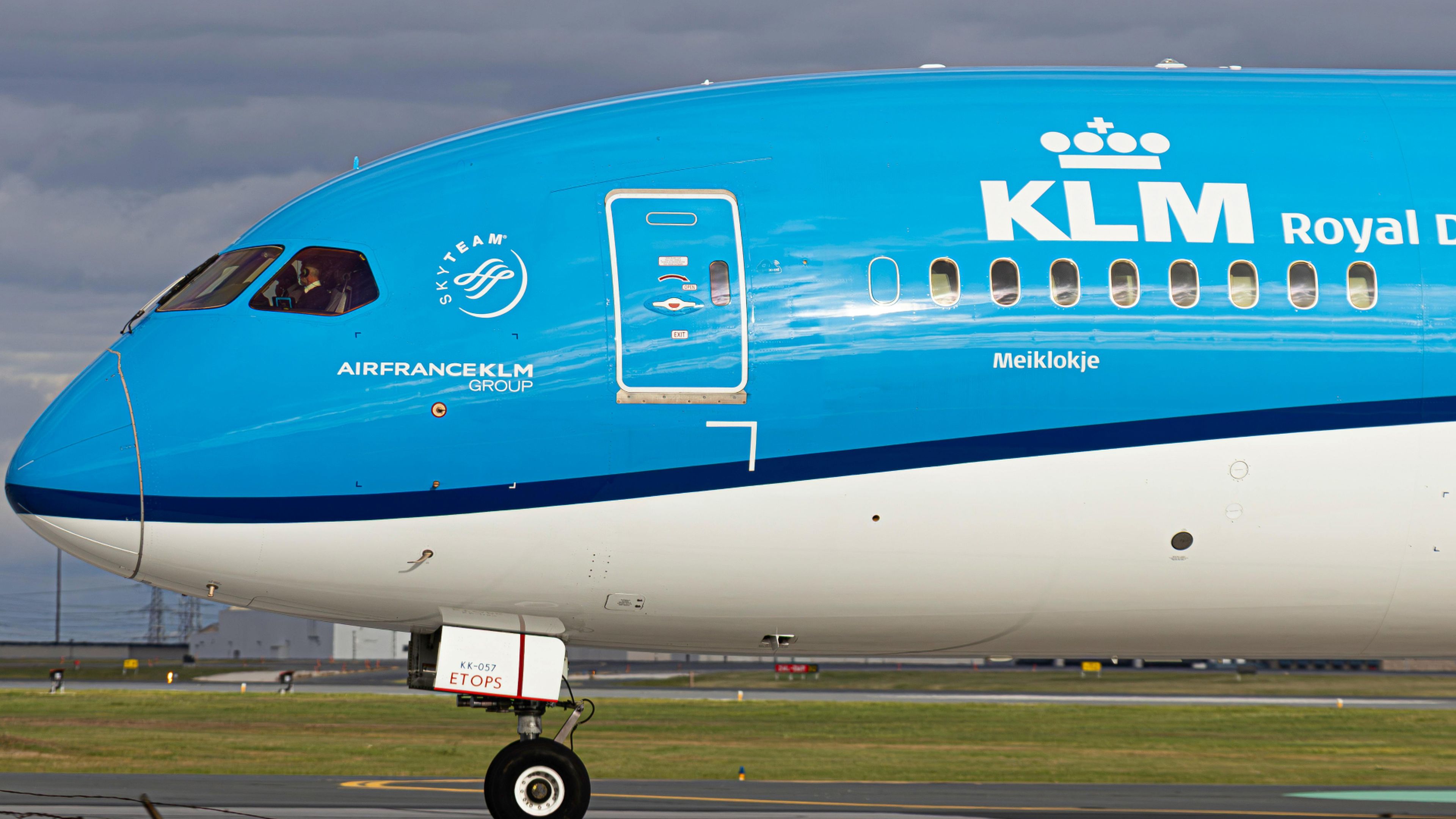
For our KLM scalable growth project, early iteration was essential to build a system that worked consistently across dozens of markets. The same applied to Sportvisunie, where we built a platform for a diverse community with very different levels of digital confidence. Without testing early with real users, we would have made assumptions that undermined the product.

The trap of the perfect prototype

There is one way rapid prototyping fails: trying to prove too much with a single prototype.

A prototype should answer one core question. Do users understand the product? Does the onboarding flow work? Is the primary action clear? If you try to test everything at once, the prototype gets too large and takes too long. You lose exactly the advantage that makes the approach work.

The discipline is in deliberate omission. What is the riskiest assumption? Test that. Everything else can be validated later.

At Livewall, we make it explicit at the start of every product engagement: which assumptions do we need to test first? That conversation, before the first pixel is designed, often makes the difference between a project that runs smoothly and one that needs to be steered back on course halfway through.

Rapid prototyping is ultimately not a method. It is a way of thinking. You build to learn, not to prove you were already right.

Livewall

Ready to test your idea before you build it?

At Livewall, we build prototypes that answer the right questions before you make the big investment. Get in touch and we'll work out the smartest first step together.

Get in touch with our team

What we do

Livewall builds brand experiences that people actually remember — interactive campaigns, loyalty platforms, digital products, and employer branding for ambitious brands.

Our work

We've worked with HEMA, Stabilo, Wehkamp, Efteling, 9292 and many others. Every project starts with the same question: what would make someone actually want to do this?

Talk to us

Working on something similar? We'd love to hear about it.

Contact Livewall →