


livewall
← All articles
Strategy4 February 2026·Livewall

Owned vs rented digital infrastructure: a strategic decision, not a budget one

Choosing between building your own platform and paying for a third-party one is framed as a cost question. It's actually a question of long-term brand control and flexibility.

digital-productsweb-appsloyalty-programs

Most brands reach a point where the tools they rely on start to constrain them. The loyalty app that won't integrate cleanly with the CRM. The campaign platform that won't allow real brand customisation. The SaaS solution whose roadmap no longer aligns with yours. That's when the conversation starts: do we build something we own, or do we adapt to what's available?

That conversation almost always gets framed as a budget question. What does it cost to build versus what does it cost to subscribe? But that's the wrong lens. The real question is strategic: which digital infrastructure gives your brand the most freedom to move, learn, and build value over the next three to five years?

At Livewall, we've been helping brands work through that question for years, and we build on both sides of the spectrum. What we see time and again is that the choice isn't really about technology. It's about control.

Livewall perspective

The question isn't what you spend today. The question is who owns the data, the logic, and the customer journey three years from now.

What you give up when you rent

A SaaS platform or white-label solution has genuine advantages. Faster time to launch, lower upfront cost, no in-house technical maintenance. For short-term campaigns or early-stage experimentation, that's a sensible choice.

But there are invisible costs that only surface later.

First: data ownership. When you run on someone else's platform, you live in their house. The interaction data, the user behaviour, the preferences, they're stored in a system you don't control. Some vendors offer data exports, but the structure, granularity, and accessibility are always limited by what they choose to surface.

Second: brand differentiation. SaaS platforms are built to serve dozens or hundreds of clients. That means the UX, the mechanics, and the visual range are standardised. Your competitor is probably on the same platform. It feels familiar because it is.

Third: platform dependency. Price increases, acquisitions, policy changes, vendor shutdowns. All of these have happened to loyalty and engagement platforms multiple times. Once you're embedded, migration carries a serious cost.

The Sportvisunie community platform built by Livewall

Sportvisunie: a fully custom community environment built for a national sports federation

When ownership pays off

For brands that treat digital engagement as a core business activity, the calculation changes quickly. Take Sportvisunie, the national sport fishing organisation for which we built a fully custom community platform. They could have chosen a generic platform option. But they needed a space that matched the way anglers relate to each other, share knowledge, and experience the sport. That was only possible with a bespoke approach.

Or look at Proximus+ World, a proprietary digital brand world for one of Belgium's largest telecoms. The level of brand integration, the gameplay mechanics, and the connection to subscriber data were only possible because the infrastructure was built for Proximus, not bought off the shelf.

The same applies to HEMA Stapelgek. The loyalty activation worked so closely with the HEMA app and the in-store experience that a generic loyalty platform could never have handled the integrations required.

The case for hybrid infrastructure

Ownership doesn't mean building everything yourself. The smartest approach is hybrid: identify which layers of your digital infrastructure are genuinely differentiating for your brand, and build those. For everything else, existing solutions are often the right call.

A loyalty programme might need a custom frontend so the user experience truly feels on-brand. But the points calculation in the backend can be handled well by an established loyalty engine. A community platform might need custom participation mechanics. But email notifications can run through a standard provider.

Where Livewall focuses: identifying which layers demand ownership and which can safely be outsourced. That conversation starts not with technology, but with the question of what your brand needs to be able to do in three years that it can't do today.

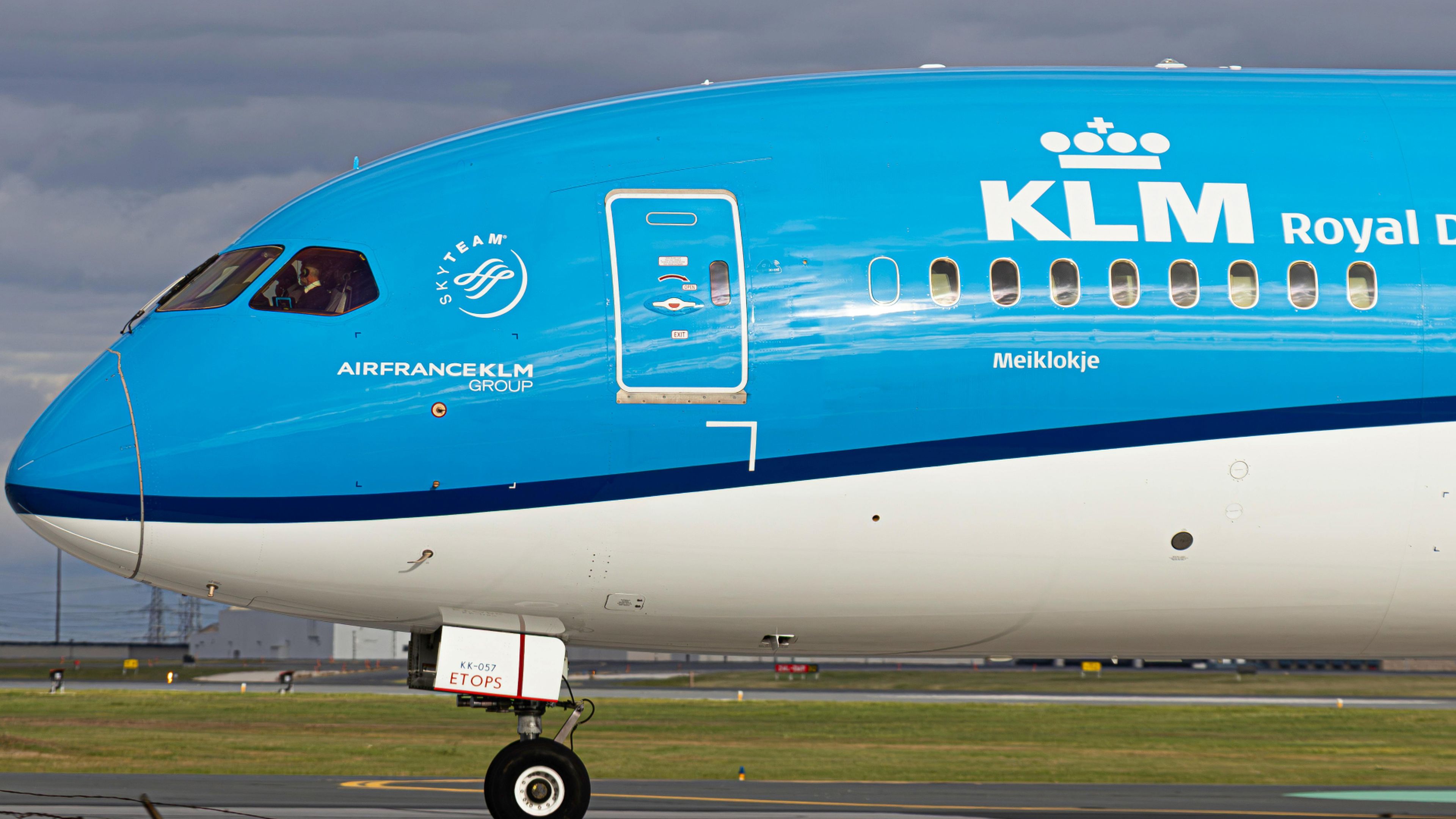
The KLM scalable growth case illustrates this well. Not a full custom rebuild of everything, but a targeted infrastructure decision that made campaign production scalable across more than fifty markets.

50+markets served through one scalable owned infrastructure
3-5yrthe horizon on which ownership typically pays back its investment
100%data ownership with custom builds versus near-zero with most SaaS platforms

The questions that guide the decision

We ask brands the same set of questions when this conversation comes up.

How long is the lifespan? A six-week campaign is not a candidate for custom infrastructure. A loyalty programme running for five years is a different conversation entirely.

How valuable is the data? If the user data the platform collects is strategically important to your CRM, retention approach, or product development, you want to own that data, not rent access to it.

How differentiated does the experience need to be? If the digital experience is part of your brand differentiation, you can't afford for it to feel like everyone else's.

What are the real integration requirements? Deep integrations with internal systems, CRM, ERP, or e-commerce are almost always easier to build with custom infrastructure than to negotiate with a third-party vendor who has other priorities.

For our digital strategy engagements, this is always the starting point: not which platform, but which infrastructure architecture fits the brand's strategic ambitions.

Ownership is no longer a luxury

There was a time when building custom was a luxury only the largest brands could justify. That's no longer true. Development costs have come down, build times have shortened, and the strategic cost of vendor lock-in is higher than it's ever been.

Brands that keep choosing rented infrastructure for the upfront cost saving are building a dependency that costs more in the long run. Not just in licence fees, but in missed differentiation, lost data ownership, and limited room to manoeuvre.

At Livewall, we believe the most durable digital infrastructure starts with a strategic question: what does this platform need to be able to do in three years that it can't do today? That question, in most cases, points toward ownership, if the brand is serious about its digital future.

The answer to whether you build or buy isn't found in a budget spreadsheet. It's found in your digital strategy.

Livewall

The most durable digital infrastructure starts with one question: what does this platform need to be able to do in three years that it can't do today?

Livewall

Ready to make the infrastructure decision a strategic one?

Livewall helps brands determine which digital infrastructure fits their long-term goals. Whether you're weighing build versus buy, or ready to migrate away from a limiting third-party platform, we can help you think it through.

Get in touch with our team

What we do

Livewall builds brand experiences that people actually remember — interactive campaigns, loyalty platforms, digital products, and employer branding for ambitious brands.

Our work

We've worked with HEMA, Stabilo, Wehkamp, Efteling, 9292 and many others. Every project starts with the same question: what would make someone actually want to do this?

Talk to us

Working on something similar? We'd love to hear about it.

Contact Livewall →