


livewall
← All articles
Digital Products14 January 2026·Livewall

MVP development: how to validate a product idea in weeks, not months

The most expensive thing you can build is the wrong product. A well-structured MVP gets you to a validated answer before you've committed to the full build.

digital-productsweb-apps

Most digital products don't fail because of bad engineering. They fail because they were built on assumptions that were never tested. A team spends months building a platform, launches it, and then finds out the core problem was smaller than expected, or that users behave completely differently from what the brief described.

MVP development exists to prevent that. Not as a way to ship something quickly, but as a method to learn as fast as possible. At Livewall, we treat MVP development as a structured process: from hypothesis to working software, tested by real users, with findings that shape the next decision.

Livewall perspective

An MVP is not a stripped-down version of your full product. It is the fastest way to prove your product is worth building out.

What an MVP is, and what it isn't

An MVP is not a half-finished product. It is a focused test: you build the minimum functionality needed to validate your central hypothesis. That requires sharp decisions about what goes in and, more importantly, what stays out.

We see the same mistake from teams approaching their first MVP: they want to validate too many things at once. Features get added "because they'll need to be there eventually", or the team wants to look polished for investors before the first real user has even touched it. That makes the MVP slower, more expensive, and less useful as a learning tool.

A good MVP answers one question: will people use this for the problem we think they have? Everything that doesn't contribute to answering that question doesn't belong in it.

Digital product development environment at Livewall

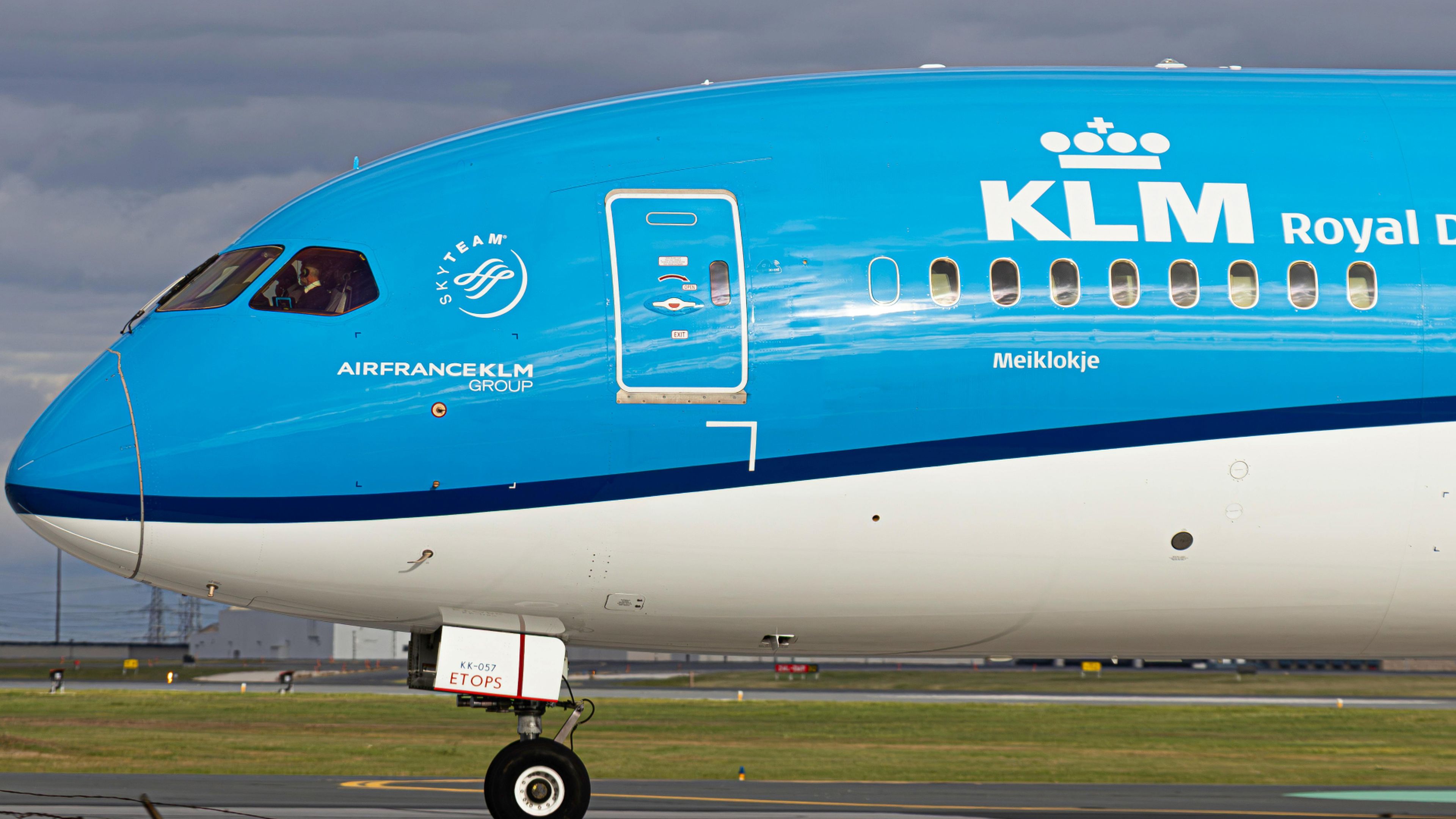
For KLM, Livewall validated a scalable digital production system before full rollout across 50+ markets.

How we structure an MVP engagement

At Livewall, we start every MVP engagement with a discovery sprint. It sounds like an extra step, but it saves time. We sharpen the core hypothesis: what do we believe the problem is, who has this problem, and what evidence do we need to say the product works?

From that hypothesis, we define the scope. Which features are critical to the test? Which are interesting but unnecessary? And which technical constraints need to be factored in from day one?

Then we build. Short cycles: design, build, test with users, adjust. Not sequentially but iteratively. That way we get real feedback from real users early in the process, not just from the internal team.

Most MVPs we build are delivered within 6 to 10 weeks. Fast enough to maintain momentum in the learning process, long enough to build something that genuinely works.

6-10weeks from hypothesis to first user test
1central hypothesis per MVP, no more
70%of build cost avoided by testing assumptions early

Which questions your MVP should answer

Not every question is suited to an MVP. An MVP is most valuable when there is genuine uncertainty around user behaviour, business model viability, or technical feasibility.

Good questions for an MVP:

  • Will people use this product if we remove it?
  • Are they willing to pay for it, or change their behaviour for it?
  • Do they understand the proposition immediately, or do they drop off?

Less suitable questions for an MVP:

  • How can we make this more efficient? (that's optimisation, not validation)
  • Does everyone think this is a good idea? (that's market research)

For the KLM Scalable Growth Case, the engagement started with a concrete question: can an AI-driven workflow make campaign production scalable across 50+ markets? Only after that hypothesis was validated did the full system roll out. That is the core of how MVP development works.

From MVP to product

A successful MVP is not an endpoint. It is the starting point for the real product build. After the MVP, you know what works, what doesn't, and where users get stuck. That knowledge makes the next phase faster and cheaper.

What we see in practice: teams that take their MVP seriously end up building better products. Not because they spent more time, but because they make better decisions. They know what they're building and why. Teams that skip the MVP often build too much, and only discover the core is wrong when it's too late to fix cheaply.

There's also an organisational dimension. An MVP requires space to fail at small scale. That means stakeholders need to understand that the goal is learning, not an immediately launched product. That conversation is better had at the start than halfway through the engagement.

For Sportvisunie, the community platform was built incrementally with early feedback from anglers that directly shaped the architecture. The result is a platform the target audience actually uses. That's not a coincidence.

What a good MVP partner does

Building an MVP is more than writing code. It requires a partner who understands the strategic hypothesis, is willing to make tough scope decisions, and can move quickly on user feedback.

At Livewall, MVP development and digital strategy are connected. We don't just help with building. We help sharpen the hypothesis, define the right test setup, and interpret what the results actually mean.

That also means we sometimes advise against building something, or push to narrow the scope further. Not to be difficult, but because a focused MVP teaches more than a broad one. And the lesson from every project we've run is the same: the teams who commit to the hypothesis before they start building are the ones who end up with products worth scaling.

Livewall

Ready to test your product idea?

At Livewall, we take you from hypothesis to validated MVP in weeks. Whether you want to launch a new digital product or stress-test an existing idea, we'll help you structure the right approach.

Get in touch with our team

What we do

Livewall builds brand experiences that people actually remember — interactive campaigns, loyalty platforms, digital products, and employer branding for ambitious brands.

Our work

We've worked with HEMA, Stabilo, Wehkamp, Efteling, 9292 and many others. Every project starts with the same question: what would make someone actually want to do this?

Talk to us

Working on something similar? We'd love to hear about it.

Contact Livewall →