

livewall
← All articles
Loyalty29 May 2026·Livewall

Music and loyalty: how fan mechanics differ from customer mechanics

Music fans behave differently to retail customers. They have identity invested in the artist. Understanding that changes everything about how you design loyalty mechanics.

loyalty-programsgamificationentertainment

The customer buys. The fan belongs.

When someone buys a jumper from a retailer, they want a jumper. There may be some brand preference, but the decision is largely functional. Compare that to a fan buying a concert ticket. That is not a purchase. That is a statement about who they are.

The distinction sounds obvious. But most loyalty program designs are built for the jumper buyer, even when deployed for fans. That is precisely where they fail.

At Livewall, we work on loyalty and fan engagement in both worlds. We have designed loyalty mechanics for retailers and built music campaigns for artists and labels. The difference in approach is fundamental, and getting it wrong is expensive.
Livewall perspective

With a retail customer, you want behaviour change. With a fan, you want to deepen an identity that already exists.

What retail customers want

Retail customers respond to economic incentives. Points, discounts, free delivery, early sale access. They want value for money, and loyalty programs are essentially a trade: you give us repeat visits, we give you benefits.

Loyalty program gamification works well in this context, but in a specific way. It accelerates desired behaviour. More visits earn more points. A streak keeps people active. Challenges make purchasing something to look forward to. The mechanics we build for retailers are designed to increase frequency and spend.

That is a clear and honest exchange. Customers understand what they are getting. They decide whether it is worth it. If it is not worth it, they leave.

The problem: you are always competing on the size of the benefit. The moment a competitor offers better value, loyalty disappears. Not because customers are disloyal. But because the loyalty was only ever about the benefit.

What music fans want

Music fans want something entirely different. They want to be recognised. They want to feel a deeper connection than other people have. They want to demonstrate who they are.

A fan who has followed an artist for ten years does not want to be treated the same as someone who first heard a song yesterday. That difference in standing is not a luxury for fans. It is a baseline requirement.

This changes everything about how you design mechanics. In fan programmes, the most valuable rewards are often not the most expensive ones. A personal message from the artist. A preview of unreleased material. A name credit. Backstage access that money cannot simply buy. These are identity rewards, not economic rewards.

Gamification marketing works differently in fan contexts too. It is not about driving behaviour change. It is about making existing commitment visible and honoured. How long have you been listening? How many shows have you attended? Which albums do you know from before the breakthrough? These are the markers that fans use to distinguish themselves from each other, and a well-designed fan programme makes that hierarchy legible and respectable.

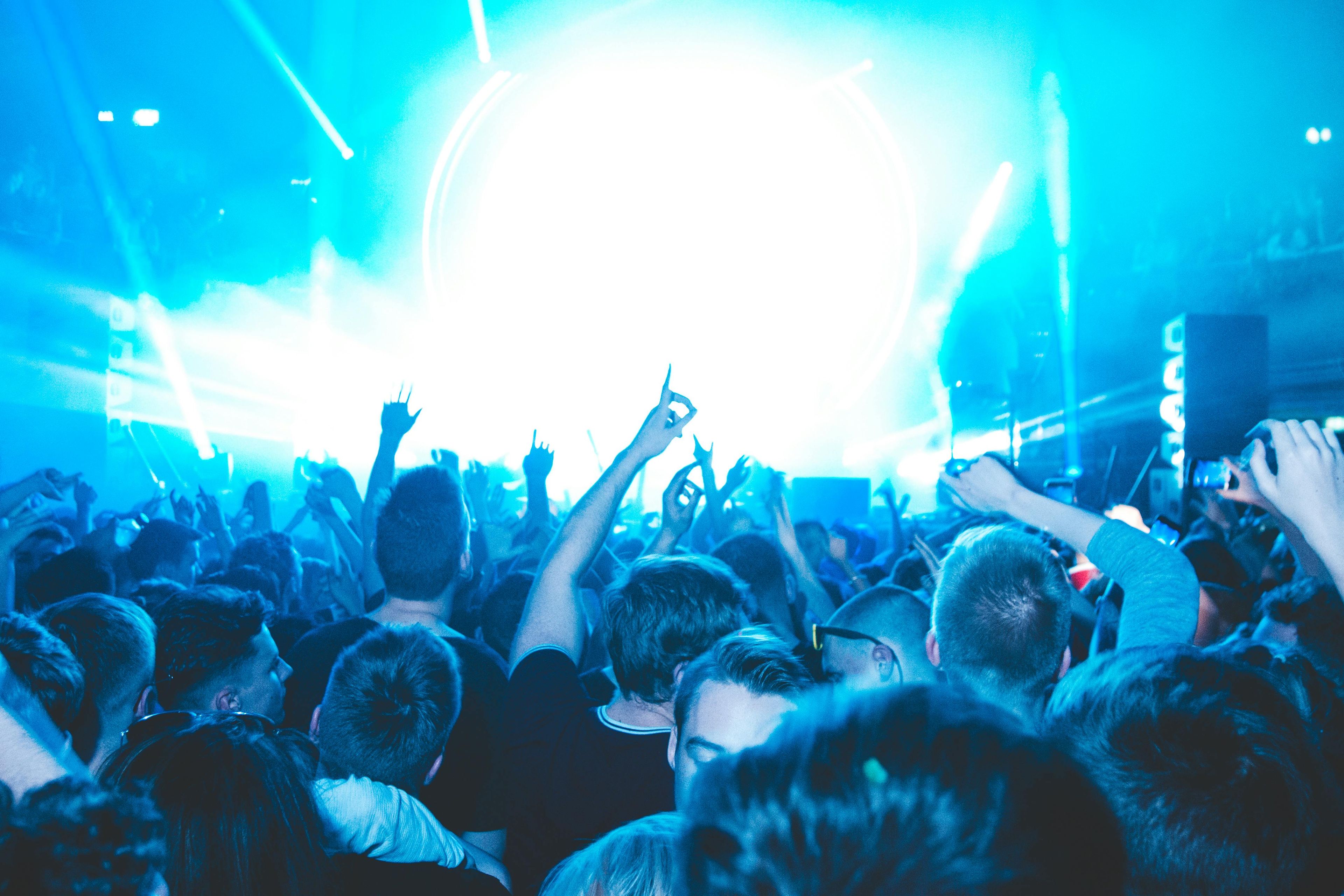
Ed Sheeran Equals campaign fan experience

Three mechanical differences that matter

1. Extrinsic versus intrinsic motivation

Retail programmes run on extrinsic motivation. The reward sits outside the activity. You buy something, you earn points, the points are the goal.

Fan programmes work best with intrinsic motivation. The activity itself is the reward. Listening to new material is not a task that needs incentivising. It is what fans already want to do. Well-designed fan mechanics build on that intrinsic drive rather than replacing it with external triggers.

2. Individual versus collective experience

Retail loyalty is private. Your points are yours. Nobody else needs to know how loyal you are.

Fan loyalty needs a public dimension. Fans want to be seen by other fans. They want to be able to show their knowledge and dedication. Community platforms and social sharing mechanics are not nice-to-haves in fan programmes. They are the core.

3. Transactional versus emotional investment

Retailers measure success in purchase moments. How often do you come back? How much do you spend?

With fans, you measure engagement differently. How much time does someone spend in the fan world? How active are they in the community? Do they create their own content? These are the signals that predict whether a fan becomes a lifetime ambassador.

6xhigher engagement from identity-based rewards versus discount vouchers in music campaigns
74%of fans share exclusive content spontaneously, without prompting
3xhigher lifetime value when fans are brought in early during album launches

When the two worlds overlap

The most interesting situations are where a brand works with both customers and fans at once. A streaming service has subscribers who pay for access, but also superfans who see the platform as part of their identity. A festival has attendees who buy a ticket, but also regulars who have been coming for twenty years.

The mistake brands make here is applying one mechanics system to both groups. Points and discounts alienate fans. Identity-only rewards leave occasional customers cold.

The solution is segmentation by engagement level, not by spend. Someone who consumes new content every week but buys infrequently may be a fan. Someone who spends heavily but never shares or participates in the community is a customer. Treat them differently.

At Livewall, we start every loyalty brief by asking about the nature of the relationship. Is it transactional or identity-based? That determines which mechanics make sense, before we design a single screen. The right answer is not always obvious. Sometimes it is both, in different segments, at different moments of the programme.

Livewall

Are you building a programme for customers or for fans?

The answer changes everything about the design. Livewall helps brands understand the nature of the relationship and build mechanics that match it. Let us look at your situation together.

Get in touch with our team

What we do

Livewall builds brand experiences that people actually remember — interactive campaigns, loyalty platforms, digital products, and employer branding for ambitious brands.

Our work

We've worked with HEMA, Stabilo, Wehkamp, Efteling, 9292 and many others. Every project starts with the same question: what would make someone actually want to do this?

Talk to us

Working on something similar? We'd love to hear about it.

Contact Livewall →