


livewall
← All articles
Loyalty30 March 2026·Livewall

Loyalty programme for retail: bridging in-store and online behaviour

Retail loyalty is complex because your customer moves between channels. A programme that only recognises one context is working at half capacity.

loyalty-programsretailcrmphygital

The channel problem in retail loyalty

Your customer shops online on Monday, visits the store on Saturday, and compares prices on their phone while standing somewhere else on Friday. A loyalty programme that does not connect all those moments is missing most of the picture.

That is not just a data loss problem. It creates confusion for the customer. If you only earn points on online purchases but walk into the store and see no recognition of your loyalty, the programme feels arbitrary. And arbitrary programmes do not build loyalty.

At Livewall, we hear this repeatedly from retail brands that come to us. They have a programme, but it only works in one direction. Online or offline, rarely both.
Livewall perspective

A loyalty system that only recognises one channel rewards the customer at the wrong moment and misses them at the right one.

What a phygital loyalty system does differently

A phygital approach to loyalty does not mean sticking a QR code on the floor. It means the system recognises the customer wherever they are, and the acknowledgement fits the context of that moment.

In store, customers want fast confirmation and an immediate sense of reward. Online, they want personalisation, reminders, and recommendations based on what they have done before. Both channels should draw from the same CRM data, but the way you engage with the customer differs fundamentally.

The technical requirements follow from that. You need a loyalty platform that connects point-of-sale systems, the app, and your webshop. That is rarely available off the shelf. Most ready-made solutions are built either for e-commerce or for physical retail. Rarely for both at once.

This is exactly why custom loyalty system design in retail delivers far more impact than a generic platform.

The three gaps we see most often

Recognition stops at the checkout. The programme logs a purchase but knows nothing about the browsing behaviour that preceded it. Someone who spends three weeks comparing before they buy gets the same treatment as someone who picks something up on impulse. That distinction is valuable, but it disappears if your system only tracks transactions.

Store staff are not connected. A loyalty programme lives or dies in the store at the moment a staff member does something with it. If they do not know the app, have no reason to mention it, or see no benefit themselves, the programme never becomes truly phygital. It stays digital paperwork.

Points are the only motivation. Points work as a starting mechanic, but they do not build real attachment. Customers who stay only for the discount will leave the moment a competitor offers a better deal. Emotional connection, status, early access to new products, or a sense of insider belonging are far more durable motivations.

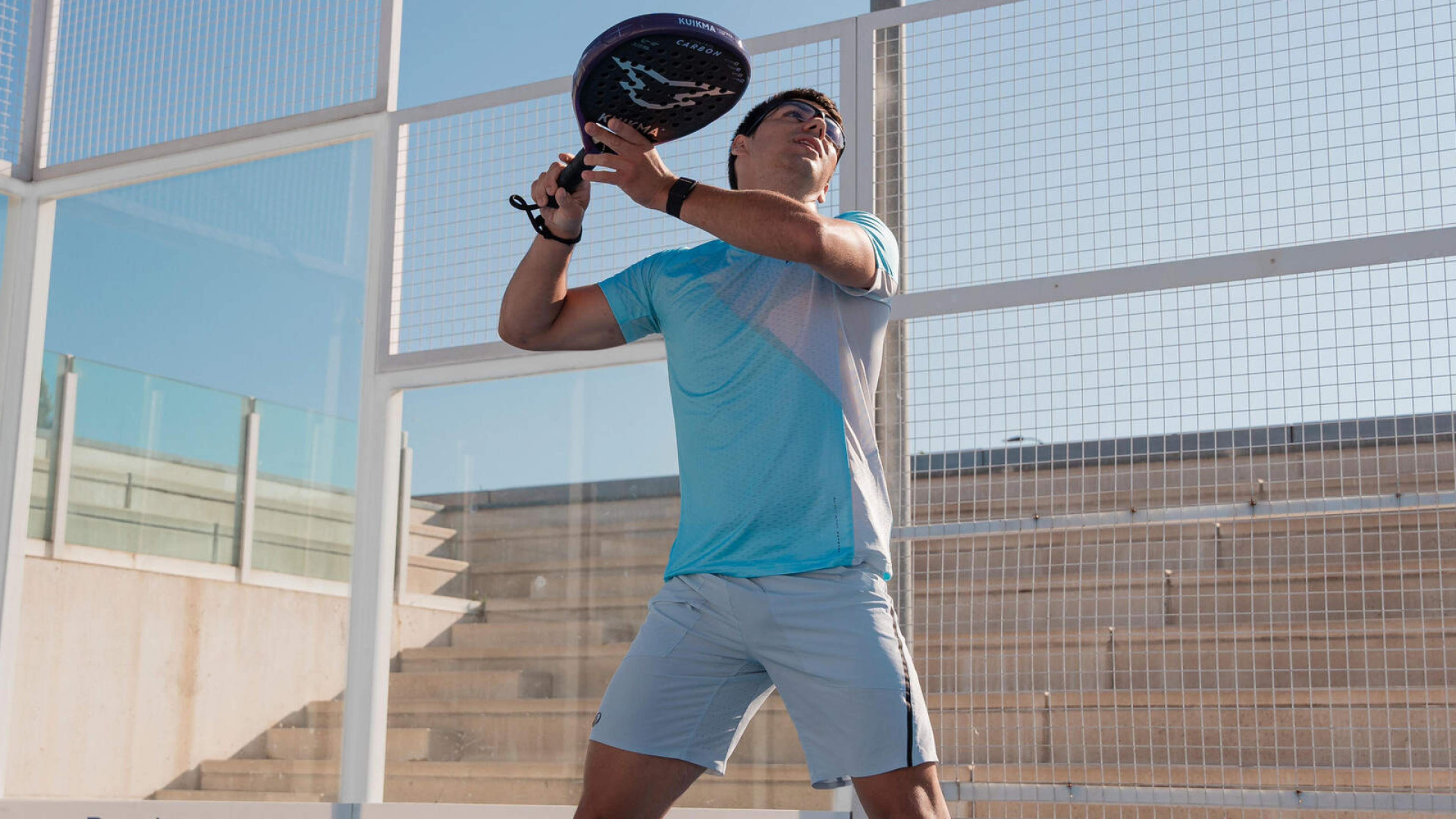
Decathlon loyalty campaign with interactive game mechanic linking sport behaviour to member data

Decathlon: turning movement into loyalty behaviour

3xhigher return rate for customers recognised across both in-store and online channels
60%of loyalty interactions happen outside the moment of purchase
2.4xhigher lifetime value for members active across both channels

How to build the programme

A good retail loyalty programme does not start with technology. It starts with the question: which behaviour do you want to change?

If you want to drive more frequent store visits, the programme needs to reward in-store moments beyond purchases: trying a product, having an advice conversation, attending an event.

If you want to improve online retention, the loyalty layer needs to reach into browse behaviour, wish lists, and the review someone leaves behind.

If you want to reduce churn to competitors, status mechanics and early access to new collections are more powerful than another discount voucher.

The best loyalty programmes for retail brands combine all of these into a coherent system. They reward not just purchases but the full spectrum of customer behaviour. And they make that behaviour visible to the customer so progress feels like something worth owning.

Technically this requires a platform that aggregates data from multiple sources and can respond in real time. Not every retailer has that today. But the retail brands that have built it see the effect directly in their NPS scores and repeat purchase frequency.

What retailers often overlook at implementation

The launch is one thing. Maintenance is what counts.

A loyalty programme that runs the same mechanics after six months as it did on day one loses its relevance. Customers need novelty, not to be entertained, but to stay active. Seasonal campaigns, new reward tiers, time-limited challenges: these are the mechanisms that keep a programme alive.

Livewall works with retail brands on exactly this part. We do not just build the system, we think alongside you about the loyalty campaigns that sustain engagement between major purchase periods. Because the customer who buys in January and is still active in your app in June is the customer who does not go to a competitor in December.

That is the difference between a programme that costs money and a programme that creates value. A gamified loyalty layer is often what turns passive members into genuinely engaged ones, giving them reasons to interact with your brand on days they are not shopping.

Livewall

Ready to make your loyalty programme work across every channel?

At Livewall we combine strategy, design, and technology to build retail loyalty programmes that perform in store and online. Get in touch and we will talk through what is possible for your brand.

Get in touch with our team

What we do

Livewall builds brand experiences that people actually remember — interactive campaigns, loyalty platforms, digital products, and employer branding for ambitious brands.

Our work

We've worked with HEMA, Stabilo, Wehkamp, Efteling, 9292 and many others. Every project starts with the same question: what would make someone actually want to do this?

Talk to us

Working on something similar? We'd love to hear about it.

Contact Livewall →