


livewall
← All articles
Strategy19 March 2026·Livewall

How to think about AI adoption in a creative digital agency context

AI is changing how creative and digital work gets done. Here is how to think about where to adopt it, where to be cautious, and how to make decisions that hold up over time.

digital-productscampaigns

AI is not a conveyor belt you bolt on next to everything else. It is a fundamental shift in how work gets organised, how fast things can move, and which skills actually matter.

At Livewall, we work daily at the intersection of creativity, technology, and brand engagement. What we see is that most organisations make one of two mistakes. One group wants to automate everything and forgets that brand identity is built on distinctiveness, not efficiency alone. The other group waits and watches while faster-moving teams pull ahead.

Neither is a good strategy. What you need is a clear way to decide: we use AI here, we deliberately do not use it there, and this is why.
Livewall perspective

AI makes you faster. But faster at building the wrong thing is not progress.

Start with the distinction: production versus judgement

The most useful distinction you can make is not 'what can AI do' but 'where does human judgement create value'.

Production is converting a clear input into a predictable output. Writing copy variants from an approved brief. Generating images for design iterations. Testing campaign headlines for tone. AI can bring speed here without quality loss, as long as the process around it is designed well.

Judgement is deciding what should be made in the first place, why it fits this specific brand, and what 'good' means in this context. That sits with people. Not because AI cannot simulate it, but because accountability and brand knowledge are not transferable to a model.

Most problems we see do not come from AI delivering bad work. They come from judgement being handed over too early.

Where AI adds reliable value in digital product development

In digital product development, we see three areas where AI delivers dependable value today:

Faster iteration in early phases. Building prototypes, trying variants, validating technical direction. AI lowers the cost of experimentation, and that is exactly where you want to start.

Code support for repeating patterns. Not writing entire systems, but accelerating routine implementations so your team's attention stays on the hard problems.

Content scaling for established brands. When brand style is well documented and creative direction has been set by people, AI can help scale output without every variant needing to be written by hand.

What all of these share: they amplify existing capacity. They do not replace the thinking.

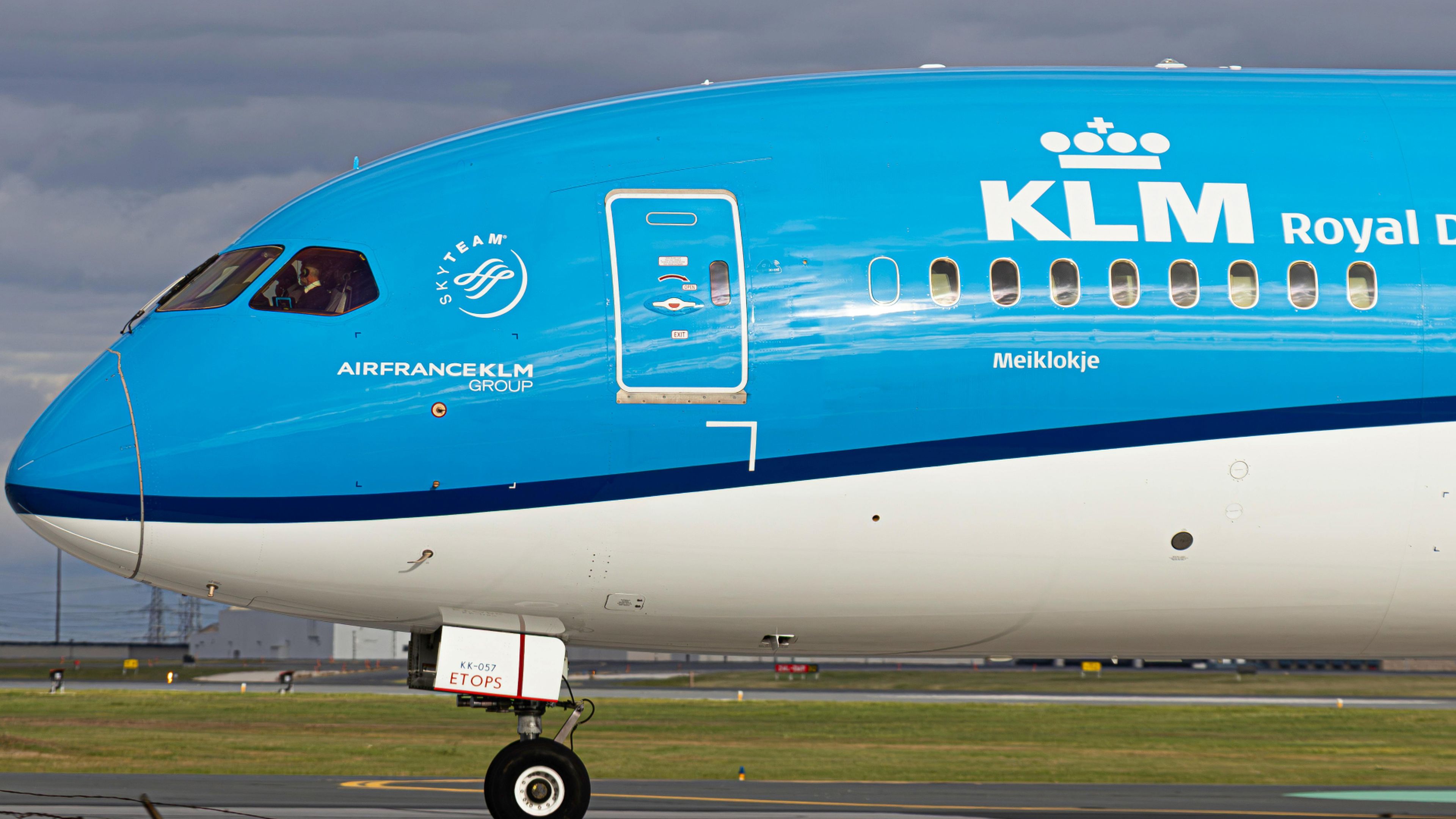
AI-driven campaign production workflow for KLM across global markets

Scalable campaign production via AI workflows, built for KLM

Where to be cautious

Caution is not the same as waiting. It means knowing which risks you are accepting.

Brand distinctiveness is fragile. When everyone uses the same AI tools, outputs start to resemble each other. For brands that differentiate on creativity and character, that is a real risk. The answer is not to use less AI, but to invest more in what drives the AI: sharp brand guidelines, considered creative direction, a clear point of view.

Quality control shifts. With manual work, the maker is also the first reviewer. With AI-generated output, that responsibility lands somewhere else. Teams that do not organise this well find errors after they go live.

Time savings move around. AI saves time on execution. But that time does not automatically go toward better strategy. If you do not actively redirect it, the efficiency gain gets absorbed by higher volume rather than better work.

50+markets served through AI-driven campaign production for KLM
faster iteration cycles in early product phases with AI support
1thing AI does not take over: the judgement about what serves the brand

How to build an adoption approach that holds up

We recommend three principles that work in practice, regardless of your team size or the type of work you do.

Principle 1: Adopt per workflow, not per department. Do not ask 'how do we use AI?' Ask 'in which specific step of this process does AI help us most?' That gives concrete answers and stops you from treating AI as a single monolithic thing.

Principle 2: Build in ownership. Every AI-generated output has a human owner who puts their name on it. Not as a formality, but as a structural incentive to take judgement seriously.

Principle 3: Evaluate on outcome, not on usage. The metric is not 'what percentage of our output is AI-generated'. The metric is whether the work is better, faster, or cheaper, and whether that improvement holds over time.

The strategic choice behind the tool choice

Which AI tools you pick matters less than how you make the choice. At Livewall, we evaluate tools against three criteria.

First: does the tool fit into an existing workflow, or does it require building a new one? Tools that accelerate existing processes get adopted faster and deliver value sooner.

Second: what is the quality ceiling for this specific application? Not every AI tool performs equally across different content types. Test it on your actual content, not on demo material.

Third: who owns quality oversight? A tool without clear ownership gets used inconsistently. Assign someone to maintain the standard.

Digital strategy is not something you do before AI adoption. It is something you do continuously, as the capabilities and the risks both keep shifting. That is as true for AI in product development as it is for any other technology decision.

Livewall

Thinking through AI adoption for your brand or team?

At Livewall, we help brands think clearly about where AI adds real value in their creative and digital processes. No hype, just a practical approach that fits how you actually work.

Get in touch with our team

What we do

Livewall builds brand experiences that people actually remember — interactive campaigns, loyalty platforms, digital products, and employer branding for ambitious brands.

Our work

We've worked with HEMA, Stabilo, Wehkamp, Efteling, 9292 and many others. Every project starts with the same question: what would make someone actually want to do this?

Talk to us

Working on something similar? We'd love to hear about it.

Contact Livewall →