

livewall
← All articles
Strategy15 May 2026·Livewall

How to build a digital campaign that earns organic sharing

Organic sharing is the most valuable outcome of any digital campaign. It's also the least predictable unless you design for it from the start.

campaignssocial-mediabrand-activation

Most brands measure campaign success in reach, clicks, and conversions. That's reasonable. But it misses what separates a good campaign from a great one: people telling their friends about something they did with your brand.

Organic sharing isn't luck. It's the result of deliberate design decisions made before a single screen is built. At Livewall, we've designed interactive campaigns for consumer brands across retail, music, FMCG, and entertainment. The pattern is consistent: campaigns that get shared were built around shareable experiences. Not shareable messages.

Here's how to build one.
Livewall perspective

People don't share ads. They share what they did, won, or felt.

Start with the share reason, not the format

For every campaign, ask: why would someone forward this to a friend? If the only answer is "because it looks good" or "because it's entertaining", the odds of organic sharing are low.

Sharing behaviour comes from three sources:

1. Self-expression. People share what says something about them. A result, a score, a personalised card. Not the campaign itself, but proof that they were part of it.

2. Social currency. Being first to know, getting exclusive access, understanding a reference that only fans get. People share things that strengthen their position in a group.

3. Reciprocity. Campaigns that invite others to participate. "Play and compare" outperforms "watch this" every time.

The strongest engagement campaigns combine more than one of these. They give people something to talk about, not just something to watch.

Martin Garrix Dream Team campaign shareable mechanics

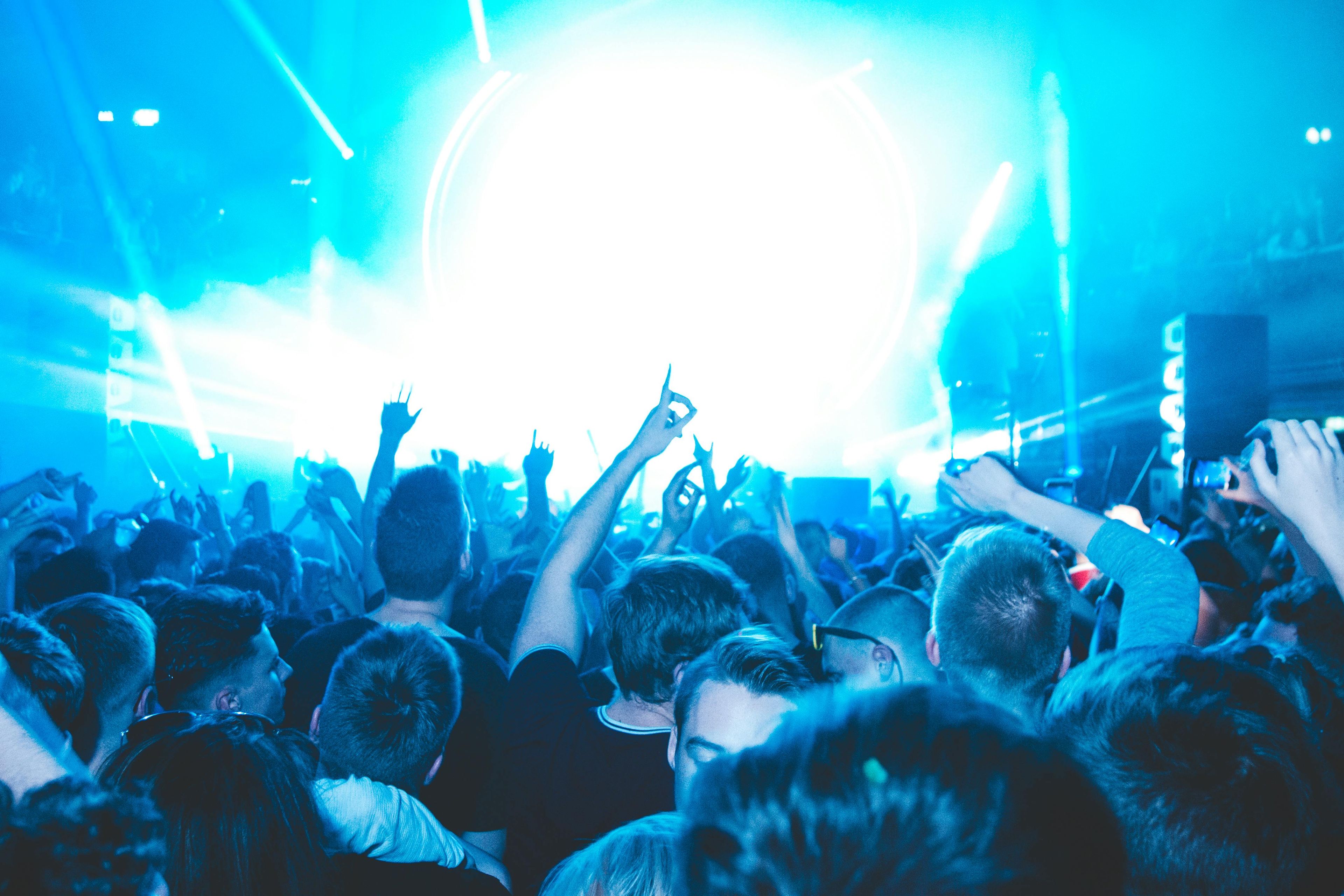
The Martin Garrix Dream Team campaign was built around personalised share cards that spread organically across 14 markets.

Build something people want to show, not just see

The classic campaign mistake is creating content you want people to see. What works is building something people want to show others.

The difference sounds subtle. In practice it's enormous. A video you forward says nothing about you. A score you achieved, a card you built, a leaderboard you appear on: that says something. People don't share passive content. They share their own actions.

That requires interactive formats where the participant does something. Makes a choice, builds something, earns something. The more personal the outcome, the higher the likelihood someone wants to show it.

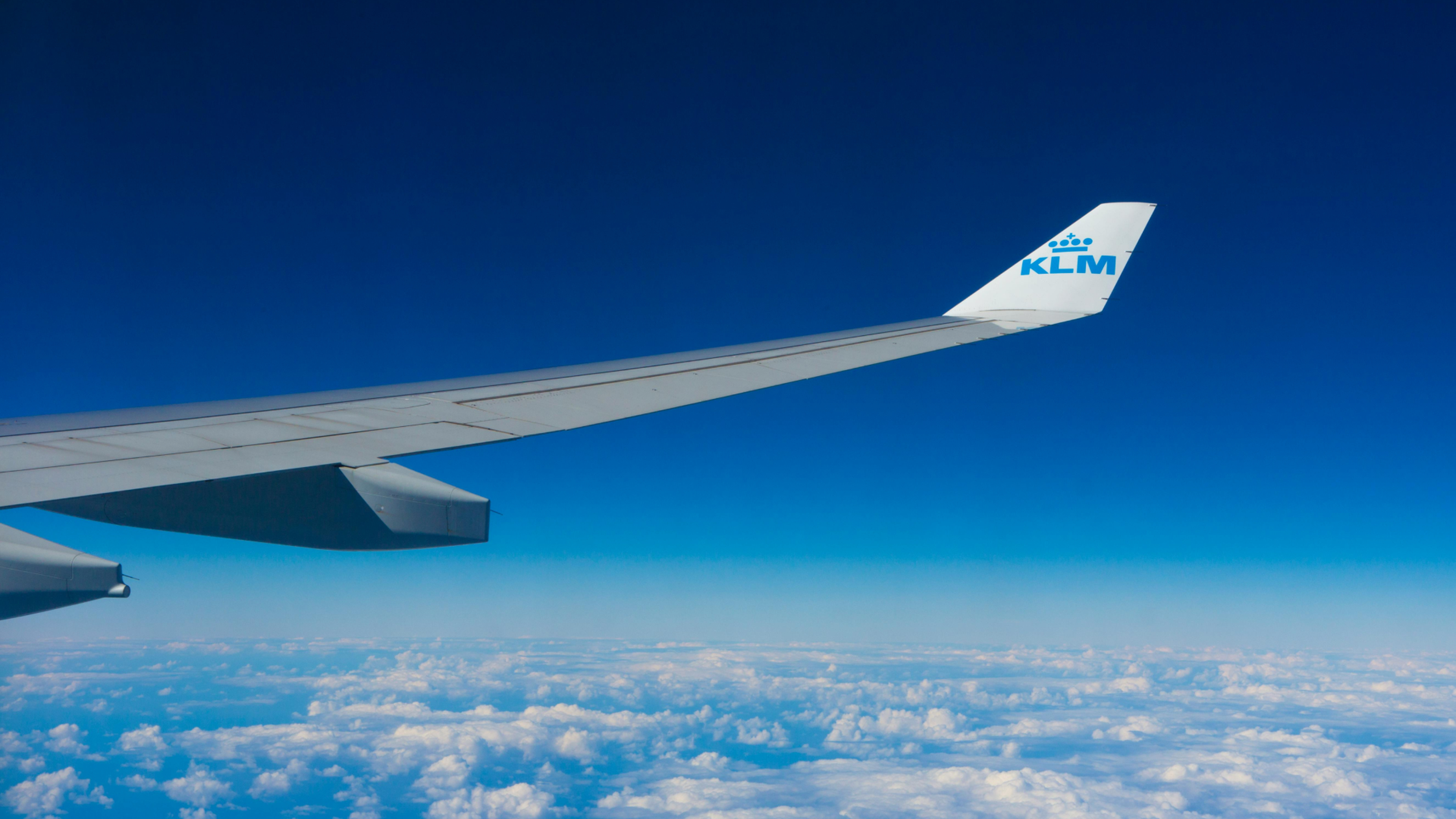
With the KLM Airmail campaign, people sent hand-crafted digital Valentine's messages through the platform. Nobody told them to share. They did it because what they'd made was theirs.

Design the share moment as part of the mechanic

Most campaigns bolt a "Share this" button on at the end. It rarely works. The share moment needs to be embedded in the experience, not appended to it.

In practice, that means:

  • Make the outcome of an action worth showing. A score, a badge, a personalised image.
  • Make sharing technically frictionless. One tap to Instagram Stories or WhatsApp, not three steps through an export screen.
  • Give people a reason to invite others in. "Compare your score" or "Can you beat this?" are invitations. "Share this post" is a request.

For the Feyenoord Play by Unive campaign, the mechanic was designed so that fans naturally wanted to compare their experience with other supporters. Sharing wasn't promoted. It was baked into the competition layer.

3xmore organic reach in campaigns with built-in share mechanics
68%of participants in personalised campaigns share their result
5xhigher retention in campaigns with social comparison mechanics

How Doritos and Heineken embedded sharing in the campaign core

Two recent examples from our work show what this looks like in practice.

For Doritos, we built a branded Minecraft world tied to a film promotion. The share mechanic wasn't a button at the end. Players could surface their progress and achievements as part of the game itself. The game was the sharing vehicle.

For Heineken Player 0.0 with Max Verstappen, the starting point was a fan community that actively wanted to show their affiliation. The interaction was designed to make that connection to the brand visible, not just felt.

In both cases, sharing behaviour started at the mechanic layer, not the content layer.

The three questions your campaign must answer

Before building a campaign that earns organic sharing, you need to answer three questions cleanly.

What does the participant do that's worth showing? If the answer is nothing, change the mechanic.

Why does it matter to the people they'd share it with? Pure reach is not a reason. The content needs to be relevant to the person receiving it, not just the person sending it.

Is it technically simple enough that nobody thinks about it? Every extra step cuts the share rate. If someone has to stop and think, most won't.

At Livewall, we start every campaign project with these three questions before designing a single screen. The answers shape the mechanic. The mechanic determines whether a campaign spreads itself.

Livewall

Want to build a campaign that spreads itself?

At Livewall, we design digital campaigns where organic sharing is an objective, not a side effect. Get in touch to talk through what that could look like for your brand.

Get in touch with our team

What we do

Livewall builds brand experiences that people actually remember — interactive campaigns, loyalty platforms, digital products, and employer branding for ambitious brands.

Our work

We've worked with HEMA, Stabilo, Wehkamp, Efteling, 9292 and many others. Every project starts with the same question: what would make someone actually want to do this?

Talk to us

Working on something similar? We'd love to hear about it.

Contact Livewall →