

livewall
← All articles
Loyalty16 March 2026·Livewall

5 game mechanics that make loyalty programmes genuinely addictive

Addictive isn't a dirty word when it describes a programme customers choose to engage with every day. These five mechanics are the building blocks of that kind of loyalty.

gamificationloyalty-programsretail

Most loyalty programmes are not addictive. They are convenient. Customers scan the card at checkout, accumulate points they forget to redeem, and let their balance expire sometime next year.

Addictive sounds like a negative word. It isn't, when it describes something people actively choose to engage with. Opening the app without a purchase in mind. Coming back daily. Telling a friend about it unprompted.

At Livewall, we design and build gamified rewards programs for brands across retail, entertainment, and FMCG. What we have found consistently: the programmes people use longest are not the most generous ones. They are the most carefully designed ones. And that design comes down to five mechanics.
Livewall perspective

The most effective loyalty programme is not the most generous. It is the most deliberately designed.

1. Variable rewards

A fixed reward works once. After that, the surprise is gone.

Variable rewards, where the outcome is uncertain, sustain interest over time. Not every action yields the same result. Sometimes you win big, sometimes small, sometimes nothing at all. That pattern keeps people engaged. It is exactly what slot machines, social media, and daily news understand so well.

For loyalty programmes, this means building in uncertainty. Not frustrating uncertainty, but exciting uncertainty. A spin mechanic, a mystery reward, a daily surprise. The anticipation of a reward can be more motivating than the reward itself.

For HEMA Stapelgek, this principle drove daily return visits: which products can you stack today? Every session felt different from the last.

2. Progress pressure

A nearly-full stamp card gets more attention than an empty one. That is not a coincidence. It is what behavioural economists call the Zeigarnik effect: unfinished tasks stay in memory longer than completed ones.

A well-designed gamified rewards program uses this deliberately. Progress bars, almost-complete challenges, a streak you do not want to break. These elements shift focus from the reward at the end to the journey toward it.

The difference from a standard points system is subtle but powerful. In a points system, the end goal is the reward. With progress pressure, the progress itself becomes the motivation.

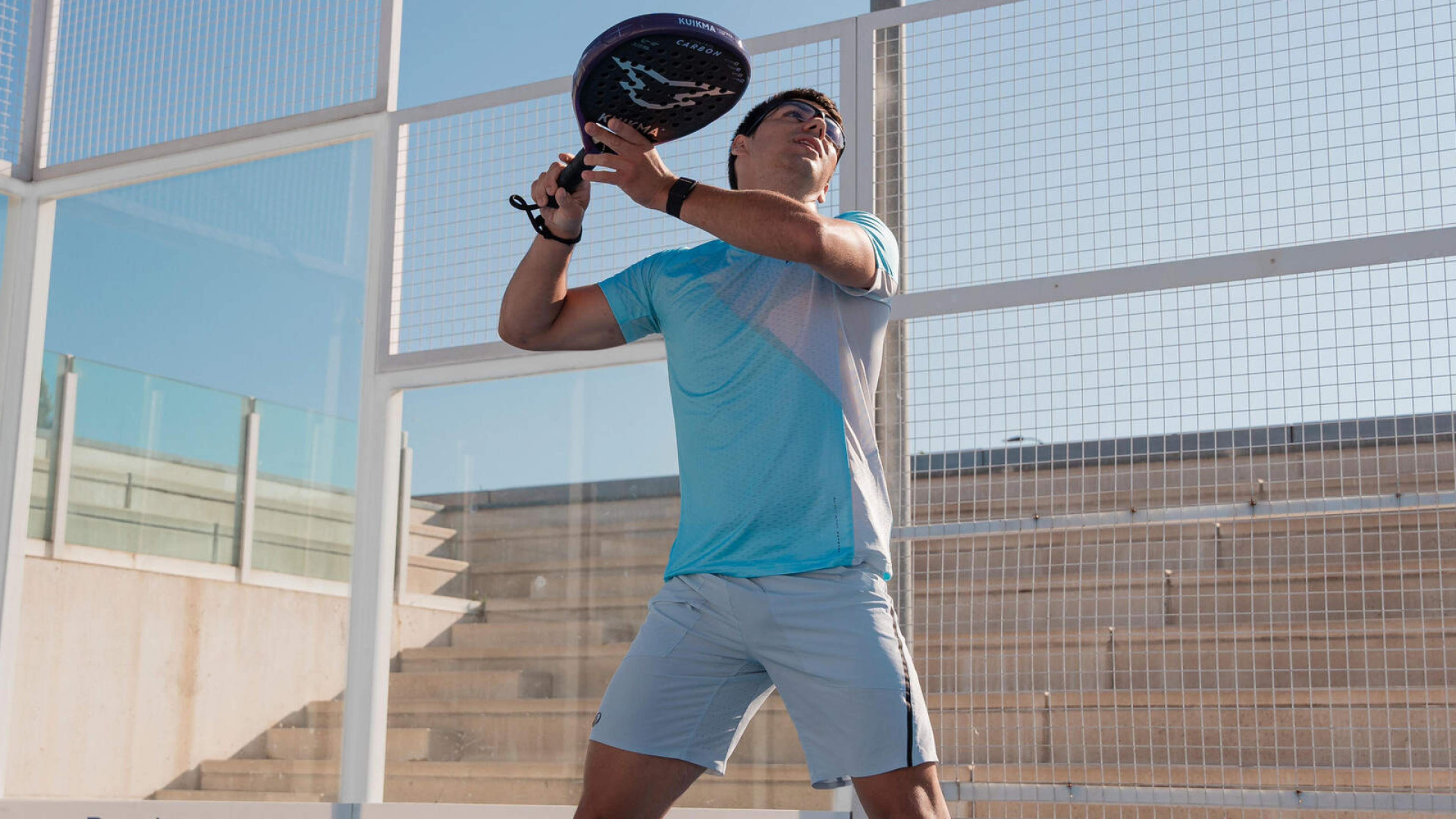
For Decathlon, we translated this into a personal movement goal: customers came back to track their progress, not just to collect points.

Decathlon loyalty programme with progress mechanics

Decathlon: personal progress as the engine for recurring member engagement

3. Social comparison

People are naturally competitive, but also cooperative. Leaderboards, friend scores, and collective challenges give a loyalty programme social weight it cannot generate on its own.

A customer who knows their friend has more points feels something. A customer who sees their neighbourhood is close to a collective goal feels something different. Both emotions are powerful.

Social comparison works best when it is opt-in. Forced competition feels intrusive. But an optional leaderboard or a shared challenge? That draws most people in naturally.

This mechanic was central to what made Wehkamp Wanna Have Days spread organically: customers shared their unlocked cards, which pulled new participants into the programme.

3xhigher daily return rate in programmes with social elements vs. solo programmes
68%of users return within 7 days when a well-designed streak mechanic is in place
2.4xmore invitations shared when collective goals are part of the programme design

4. Loss aversion

Losing something hurts more than gaining the equivalent feels good. That is one of the most reliable findings in behavioural science, and it has direct applications in loyalty design.

Streaks are the most familiar example. If you have participated in a challenge for seven days in a row, the eighth day is not optional, it is necessary. You do not want to lose your run. That is loss aversion in action.

The same applies to expiring points, an impending rank downgrade, or a seasonal status that is about to lapse. All of these create urgency without requiring a deeper discount.

This is why loyalty system design is so much more than a points calculation engine. It is about engineering the emotional state of the customer over time.

5. Meaningful choices

The most underrated gamification mechanic is also the most human: the feeling that your choices actually matter.

A loyalty programme that gives customers real choices, how they earn, which rewards they pursue, which path they take through the programme, creates ownership. And ownership is the foundation of habit.

This goes beyond personalisation in the marketing sense. It is about agency. Customers who actively make decisions within a programme are more engaged than customers who passively accumulate points.

For Proximus+ World, we built this into an interactive brand world where customers navigated and explored at their own pace. Where you chose to go next made the experience feel yours.

Putting the five mechanics together

Variable rewards, progress pressure, social comparison, loss aversion, and meaningful choices are not independent levers. The strongest loyalty programmes combine them deliberately, per segment, per phase in the customer journey.

Livewall designs programmes where these mechanics are structurally embedded, not bolted on as gimmicks, but built as the behavioural foundation of the whole system.

Livewall

Want to build a loyalty programme people actually want to use?

At Livewall we combine behavioural design, gamification, and loyalty strategy in one team. From mechanic design to platform and campaign.

Get in touch with our team

What we do

Livewall builds brand experiences that people actually remember — interactive campaigns, loyalty platforms, digital products, and employer branding for ambitious brands.

Our work

We've worked with HEMA, Stabilo, Wehkamp, Efteling, 9292 and many others. Every project starts with the same question: what would make someone actually want to do this?

Talk to us

Working on something similar? We'd love to hear about it.

Contact Livewall →